Israel Adesanya Ends 16-Year Partnership with City Kickboxing
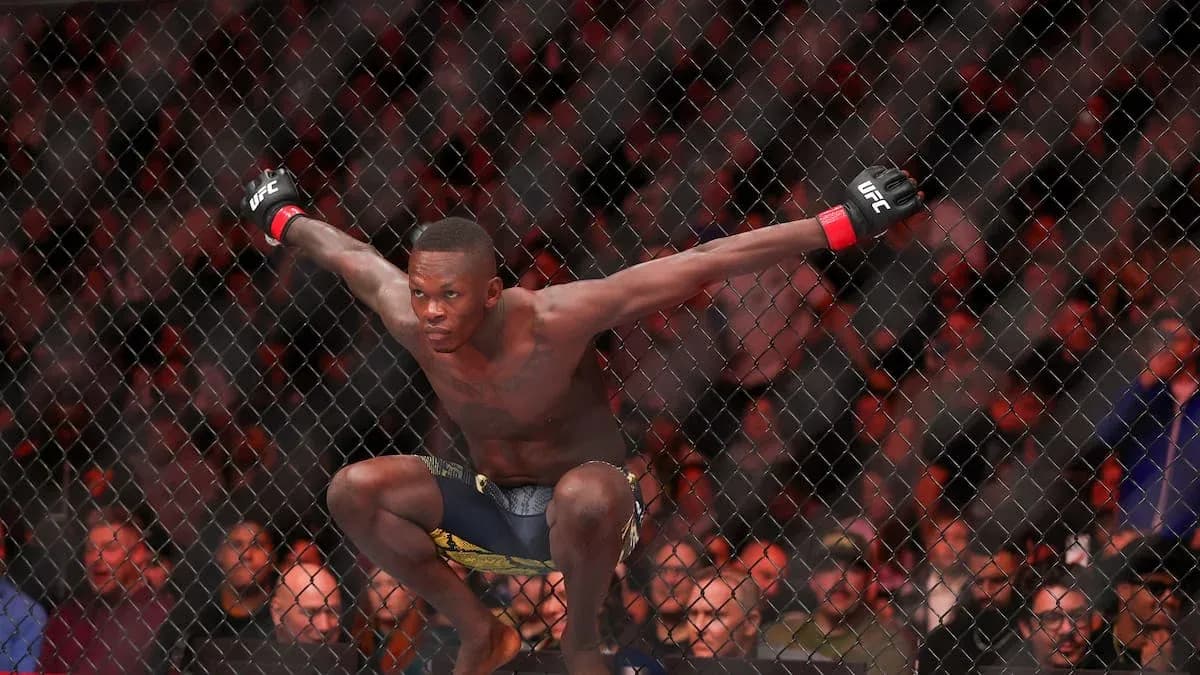
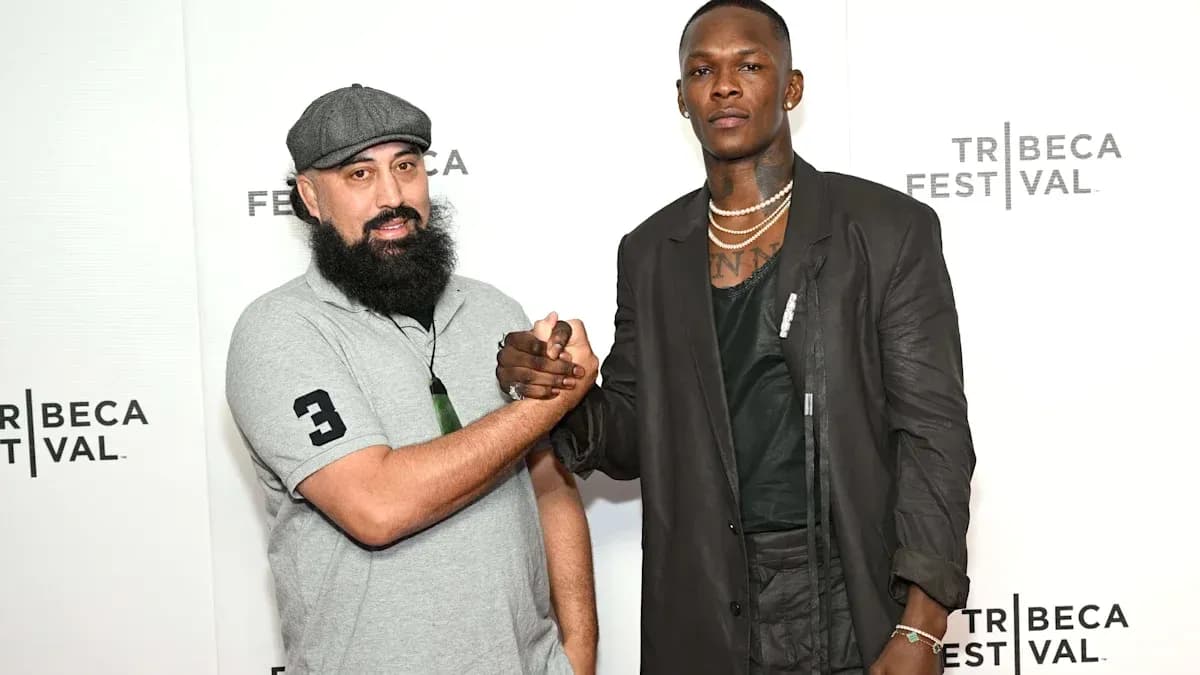
Israel Adesanya spent 16 years walking into the same Auckland gym, trusting the same voices, sharpening the same weapons. City Kickboxing and head coach Eugene Bareman weren’t just his team; they were his sporting identity, the base camp from which he climbed to a UFC middleweight title and into pound-for-pound conversations.
Now that partnership is over. And Adesanya is the one who ended it.
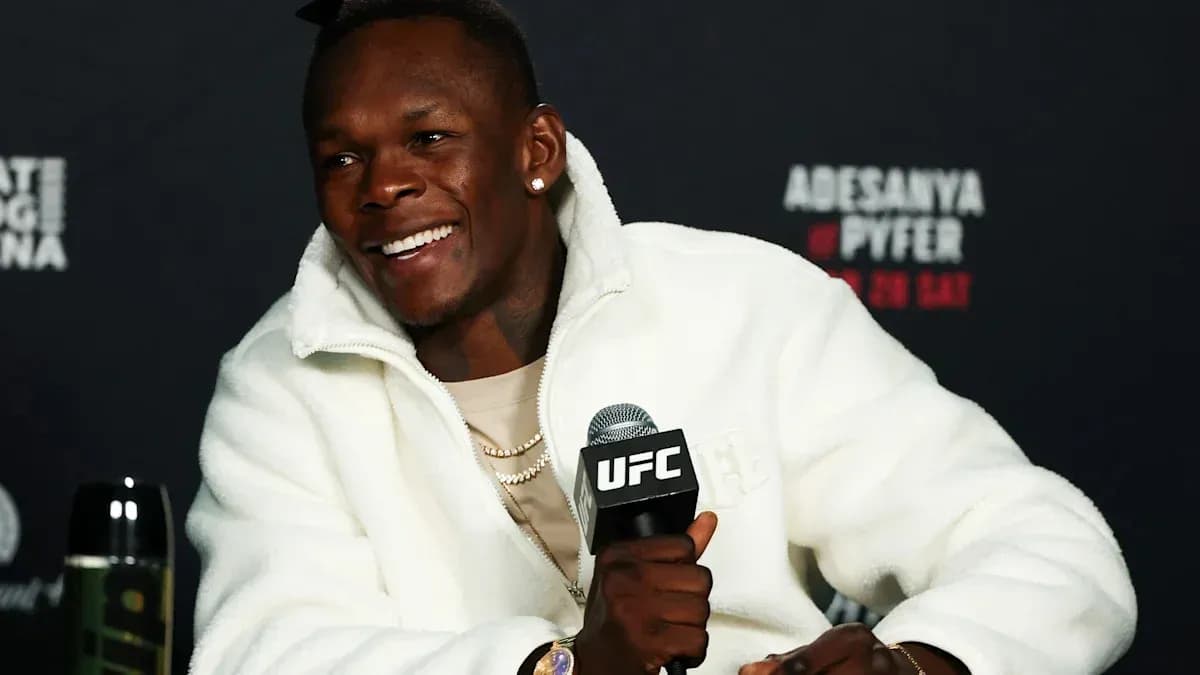
He didn’t dress it up as a tactical tweak or a minor adjustment. On his YouTube channel, the former champion compared the split to a bad breakup — the kind you know is coming long before you finally say the words.
“It was a hard decision,” Adesanya said. “It could have been worse than a breakup but you've had bad breakups before, we all have.”
That line tells you everything. This wasn’t about a single bad night or one disagreement in the gym. It was about time, history, and the weight of shared years. Adesanya admitted he wrestled with the same emotions anyone feels when they’ve invested a chunk of their life into a relationship that no longer works.
“Sometimes when I was younger you feel I've spent so much time with this person, I've invested so much, I don't want to lose all those years,” he said. “Then you stick to it, regardless of the disrespect, the manipulation. You stick with them because you don't want those [years] to go to waste.”
He didn’t expand on those words, didn’t name names or spell out incidents. But the choice of language was sharp. “Disrespect.” “Manipulation.” For someone usually measured when talking about his inner circle, it hinted at a fracture that ran deeper than tactics or training schedules.
Age and experience, he said, changed the way he saw it.
“But then as I got older, I can see things for what they are. As hard as it was, it was also really easy once I got it done. I ripped the Band-Aid off. I could see the forest for the trees. It was good to get clarity.”
The Band-Aid is off. The clarity, he insists, is there.
Walking away from City Kickboxing meant walking away from a system that had taken him from kickboxing star to UFC champion, from local talent to global name. It also meant starting again, at 37, in a sport that punishes hesitation and missteps.
When he left the gym, there was no ready-made supercamp waiting for him. No instant plug-and-play solution. He had to build something new.
He talked about “picking up the pieces,” about carefully choosing the right people to surround him as he prepared for the next chapter of his career. This wasn’t a case of jumping ship to another powerhouse gym; it was a deliberate move toward something smaller, tighter, more controlled.
As he began that process, the doubts faded.
“I knew it was the right decision because I trusted my intuition,” Adesanya said. “I trusted my instincts and I trusted my judgment. I stayed away from the gym for months before I made the decision. So that way I couldn't be clouded by anyone else's [influence].”
That detail matters. Months away. Distance before decision. He removed himself from the environment, stripped away the noise, and listened to his own read on the situation. For a fighter whose career has been built on timing and feel, that reliance on intuition fits.
Now, the structure around him looks very different.
Gone is the sprawling, bustling operation of City Kickboxing, with its conveyor belt of elite fighters and constant traffic on the mats. In its place is a much smaller, more intimate setup — a handpicked group rather than an army.
The opponent looming over this transition is Shara Bullet, the dangerous and unorthodox striker he’s set to face at UFC Saudi Arabia. That’s where this decision will be judged. Not in interviews, not in training clips, but under bright lights, against a man trying to take his head off.
Adesanya, though, is already feeling the shift in his day-to-day work.
Asked what he loves about his new training camp, he didn’t reach for specifics about drills or game plans. He went straight to feeling.
“Everything,” he said. “I enjoy being there. I enjoy being on the mats. I enjoy the space. I have enjoy having space to work. I enjoy the camaraderie and the intimate group we have. I enjoy the whole process. Just having fun getting it done.”
That joy has been missing at times in recent years, as the miles, the title defenses, and the pressure piled up. Now, he sounds like a fighter trying to reconnect with the part of the job that came before the belts and the billboards — the part where you simply enjoy turning up, sweating, learning, and competing.
The stakes are obvious. A new camp, a new dynamic, a veteran body, and a dangerous opponent in a high-profile event. Either this bold breakaway will look like the masterstroke that reignites a great career, or it will be remembered as the moment he stepped away from a proven formula.
Adesanya has made his choice. He’s ripped off the Band-Aid, left the old home behind, and walked into a smaller room with fewer voices and more space.
Now the question hangs over UFC Saudi Arabia: did he find freedom in that decision — or just a different kind of risk?