Cardiff Approves Fury–Joshua Fight to Run Late into Sunday Morning
Cardiff has signed off on a night that will belong to heavyweight boxing – and to the city’s night owls.
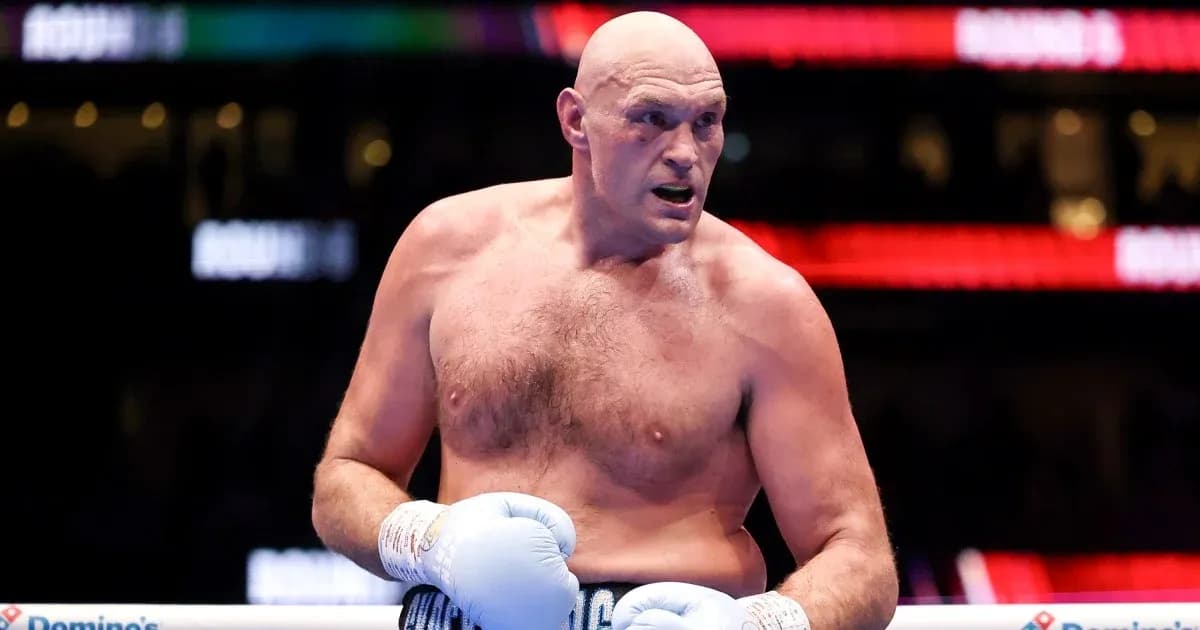
Councillors have approved plans for December’s Tyson Fury v Anthony Joshua showdown at the Principality Stadium to roll deep into Sunday morning, with the main event ring walk set for 01:00 GMT and the first bell expected at around 01:30. The timing is tailored squarely towards prime-time audiences in the United States, but it will reshape an entire night in the Welsh capital.
Hospitality boxes inside the stadium will be allowed to serve alcohol until 03:00, with the venue closing at 03:30. Around the arena, 10 to 15 city venues are preparing to stay open after hours to catch the spillover of fans once the final scorecards are read.
This is not a routine late finish. Cardiff Council’s Licensing Sub Committee was told that South Wales Police are treating the occasion as a “three-day event”, such is the build-up, arrival, and departure operation required. Some 130 police officers will be on duty around the fight on 11 December, backed by a huge stewarding presence: 1,600 stewards in total, with 450 of them dedicated solely to the pitch-side seating area.
The numbers reflect the scale of what is coming. Stadium Director Mark Williams told the committee that tickets remain on sale, but the expectation is clear: a capacity crowd of 77,000 “if everything sells”. That would put Fury–Joshua in the same bracket as Anthony Joshua’s bout with Joseph Parker in 2018, when more than 78,000 people poured into the same stadium for a world-title night that set a new attendance record for the venue.
Not everyone in Cardiff has greeted the prospect of another giant boxing occasion with open arms. A handful of residents lodged objections, citing fears over late-night noise, antisocial behaviour and public safety. None attended the hearing, but their concerns were laid out in detail.
The committee heard that those worries were “legitimate” – and that the event’s organisers, police and the council had been forced to design around them. The stadium roof will be closed. No external PA system will be used. Noise levels will be monitored through the night. Initial ideas for live music before the main event have been scrapped, leaving only the national anthems to puncture the Cardiff air before Fury and Joshua make their long walk to the ring.
Alcohol was a central issue. The application was framed as a “modest two-hour extension on the licence for one night only”, tightly bound to this single event. At the turnstiles, stewards will have breathalysers to hand, but Williams made clear they will be used selectively – only on those “who look worse for wear”.
Transport chiefs have also been drawn into the planning. Extra trains in the early hours of Saturday are being lined up to move tens of thousands of fans out of the city centre once the fight and undercard are done. The aim is simple: prevent the type of bottlenecks and flashpoints that can turn a celebration into a policing headache.
Cardiff has been here before. In 2007, Joe Calzaghe’s super-middleweight unification win over Mikkel Kessler did not start until 02:00, arranged to satisfy Showtime’s American audience. Councillors were reminded that “not much happened” in the city centre once that fight ended, a precedent that clearly carried weight in the room.
Joshua’s points win over Parker in 2018, though, underlined the other side of the coin: massive crowds, heightened emotion, and the sheer logistics of moving almost 80,000 people out of a closed-roof cauldron and back into the streets.
After a short deliberation, the committee sided with the promoters and the stadium. Chair Grace Ferguson-Thorne confirmed the licence extension, describing the layered security, stewarding levels and decision to shut the roof as “really reassuring”.
The green light means Cardiff can now lean fully into the commercial and reputational upside. The event was repeatedly described to councillors as a “big deal for the city”, a chance to boost both “revenue” and “profile” on a global sporting stage. For hotels, bars and restaurants, it is a December windfall. For the council and police, it is a high-wire act in crowd management.
Inside the chamber, the scale of the occasion cut through the usual formality. Councillor Sean Driscoll declared himself a Joshua fan and predicted that “Cardiff hospitality businesses” would give Fury “and his fans a warm welcome”.
The stage is set, then, for a night when Cardiff’s lights stay on long after last orders would usually be called – and when the city once again becomes the beating heart of world boxing in the small hours.