New Orleans Pelicans Face Crossroads with Trey Murphy III Trade
The New Orleans Pelicans are running out of ways to pretend this isn’t a crossroads.
At 5–14 and sinking, the franchise that once talked itself into contention windows and “if healthy” scenarios is staring at a harsher reality: it might be time to strip this thing down. And that conversation starts with the player they least want to move.
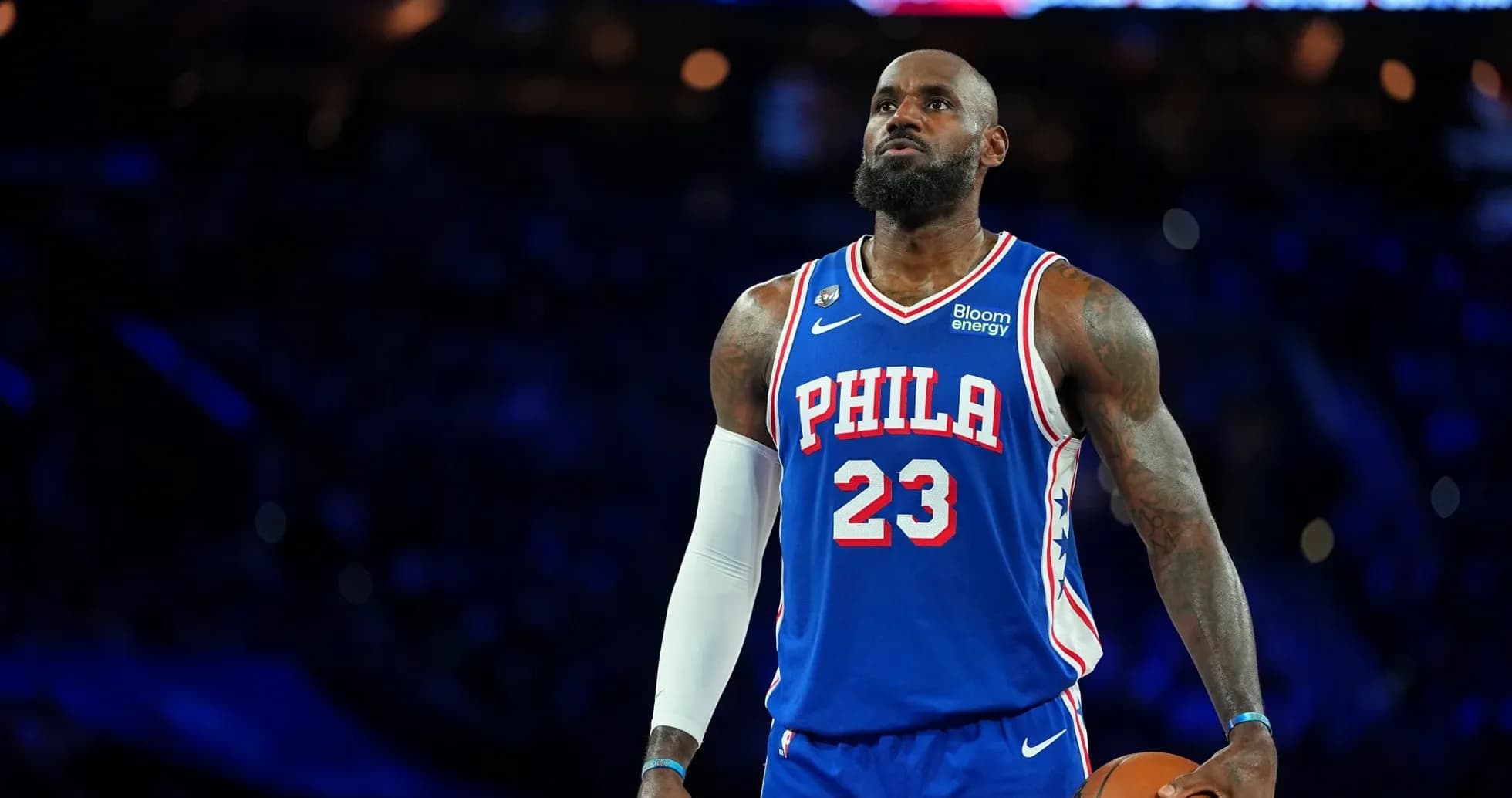
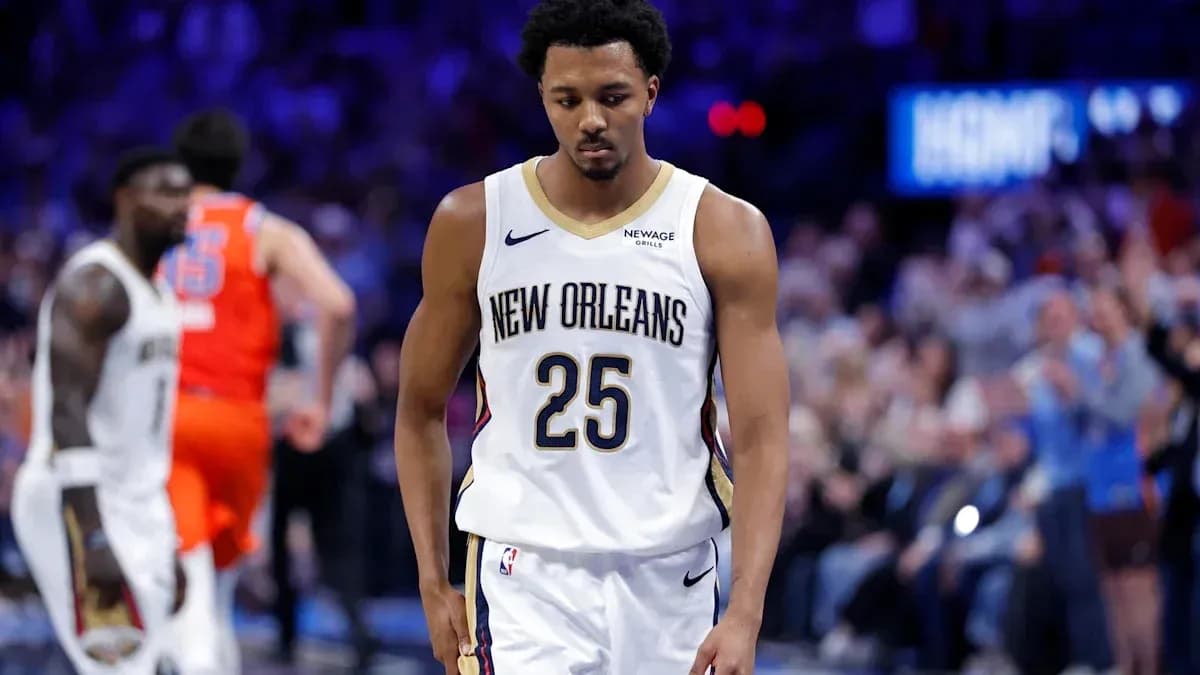
Trey Murphy III.
The Pelicans have been adamant: they don’t want to trade him unless they’re forced into it. He’s their cleanest modern asset — size on the wing, shooting, versatility, age. He’s also the one player on the roster who could realistically bring back the kind of draft haul that fuels a full-scale reset.
They’ve been holding the line at a steep price: three first-round picks. That was ambitious even before this season. A sluggish start from Murphy and some injury issues have only made that ask feel more distant. Front offices don’t pay peak prices for players who aren’t at peak form.
So the question hangs over New Orleans: cling to Murphy and try to retool around him, or cash in and finally commit to a rebuild they’ve been tiptoeing around for years?
Two hypothetical deals
Two hypothetical deals, drawn up by Zach Buckley of Bleacher Report, sketch out what that decision might actually look like.
The Celtics angle: value vs. direction
Boston’s proposal goes like this:
- Celtics receive: Trey Murphy III
- Pelicans receive: Mitchell Robinson, Sam Hauser, Two first-round picks
On paper, it’s the kind of structure that usually tempts a team in transition: a couple of picks, a rotation player, and a big man with name value. In reality, it cuts right to the heart of what New Orleans wants to be.
Robinson has been linked to the Pelicans before. There was a moment when his rim protection and lob threat made sense next to their core. That was when the front office still believed this group could win in the near term.
That moment has passed.
Now Robinson is a 28-year-old center on a fresh three-year, $47.3 million deal, and his start in Boston has been brutal. The Celtics have posted a staggering -23.1 net rating with him on the floor. That’s the profile of a negative asset, not a centerpiece coming back for your best trade chip.
If New Orleans is serious about a rebuild, taking on that contract only makes sense if they’re being paid to do it. Not just “included in the deal” — compensated. You don’t tie up cap space in an injury-prone big entering his late 20s without getting real draft equity for the trouble.
That’s where the Pelicans’ leverage lives. If Boston wants off Robinson’s money and wants Murphy’s upside, New Orleans could reasonably push for a third first-round pick. Anything less, and you’re effectively downgrading your cleanest asset into a risky contract and a shooter.
Hauser is the cleaner fit. He’s in year two of a four-year, $45 million extension and has one elite, bankable skill: he’s drilling 43.2% from three. On the surface, that’s exactly the kind of spacing a rebuilding team wants around its young guards and wings.
But Hauser is not Murphy. He doesn’t bring the same off-the-dribble juice, defensive range, or two-way ceiling. He’s more specialist than centerpiece, a role player who thrives in structure.
And that’s the other concern. Hauser has been feasting in Boston’s offense, where stars bend the floor and he lives off clean looks. Drop him into a Pelicans team likely to be tearing down and experimenting, and those looks get tougher. The volume stays. The quality doesn’t. His shooting could dip, and with it, a big chunk of his value.
So what is this offer really? Two firsts, a shaky big contract, and a shooter who might not look quite as sharp outside of Boston’s machine. For a team that has set the bar at three firsts for Murphy, it feels light — unless the Celtics are willing to pay extra for the privilege of dumping Robinson.
The Warriors proposal: salary dump or starting point?
The second scenario goes in a different direction:
- Warriors receive: Kristaps Porzingis
- Pelicans receive: Trey Murphy III, Yves Missi, Moses Moody, Two first-round picks
Strip away the names, and the idea is simple: New Orleans takes on a big contract in Porzingis, sends out Murphy and young center Yves Missi, and gets two firsts plus Moses Moody for their trouble.
In reality, the Pelicans’ side of this looks like a non-starter.
Porzingis here is treated almost entirely as a salary dump. His presence is about money and books, not about anchoring a new era in New Orleans. If you’re rebuilding, you don’t want your cap sheet clogged by a high-priced veteran big unless the draft compensation is overwhelming.
Two first-round picks for both Murphy and Missi, while also absorbing Porzingis’ deal, doesn’t reach that threshold. Not close. You’re giving up your best trade asset and a young center with upside, and the return doesn’t match the scale of that sacrifice.
The one element that might make the Pelicans pause is Moody.
This is his age-24 season, but he has yet to make his debut. His last meaningful sample, though, offered a real glimpse of a rotation-caliber two-way wing. In the 2025–26 campaign, he averaged 12.1 points, 3.3 rebounds, 1.6 assists, and 1.0 steals per game. He shot 40.1% from three on a career-high 6.1 attempts per night and made a strong mark defensively.
That’s the kind of profile that intrigues a rebuilding team. Plug Moody next to Jeremiah Fears and Derik Queen, and you start to see the outline of a young perimeter core with shooting and defensive teeth.
But intrigue is not enough to justify the rest of the deal. Not when Murphy is the outgoing piece. Not when Missi is folded in. Not when Porzingis’ contract lands on your books without enough picks attached to soften the blow.
For New Orleans, this isn’t just about collecting interesting players. It’s about maximizing the one asset that can accelerate a full reset.
Murphy represents a line in the sand for the Pelicans. Hold him, and you’re signaling that you still believe you can rebuild on the fly, reshaping around him while trying to stay competitive. Move him, and you’re admitting what the record already suggests: it’s time to start over properly.
Both hypothetical offers show how hard that choice will be. They also show something else.
If New Orleans is going to let go of Trey Murphy III, it can’t be for half-measures, compromised fits, or salary relief masquerading as value. It has to be for a package that truly launches the next era — or they’re better off living with the growing pains and betting on the player they already have.