Timberwolves Face Adversity in NBA Cup Clash Against Grizzlies
Target Center expected a showcase. It got a survival test.
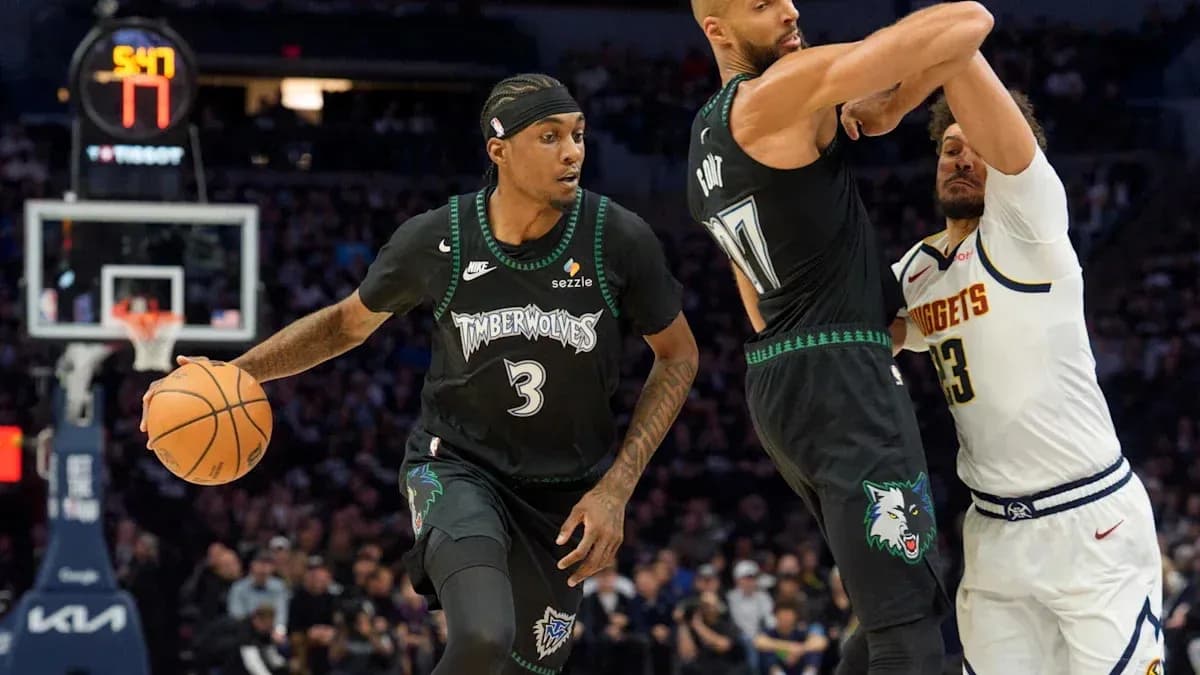
On Friday night in Minneapolis, two of the Western Conference’s heavyweights collided in a decisive NBA Cup group-stage clash, both lugging 14-5 records, both knowing the math was simple: win and move on to the quarterfinals, lose and watch someone else chase the new trophy.
Timberwolves hit with a double blow
Minnesota’s plans took a hit before the opening tip. LaMelo Ball, already central to the Timberwolves’ reshaped backcourt, was ruled out with an ankle injury. That came on top of the long-term absence of Anthony Edwards, still sidelined after knee surgery earlier in the season.
One star guard out is tough. Two is a structural problem.
Ball had been giving the Timberwolves 17.3 points, 4.4 rebounds and 5.7 assists per game, spacing the floor with 40.7 percent shooting from the field and 36.0 percent from deep. Losing that blend of scoring and playmaking on the day of a must-win group game forced an immediate recalculation of roles and expectations.
The burden swung squarely onto Ayo Dosunmu and Jaden McDaniels. They weren’t just filling gaps; they were suddenly the engine.
Dosunmu’s moment
If there was a player built for that sudden responsibility, it was Dosunmu. His numbers already told the story of a guard thriving in expanded space since Edwards went down.
Through the early stretch of the season, Dosunmu had averaged 18.1 points per game, hitting a blistering 51.8 percent from the field and 45.7 percent from three, per Sports Illustrated. When he started, his aggression ticked up even further: 19.7 points across 15 starts, on 14.4 shot attempts per night.
Memphis knew the danger. They’d seen it up close earlier in November when Dosunmu carved them up for 19 points on 9-of-14 shooting, attacking relentlessly inside the arc with eight makes on two-point attempts. That performance loomed over this rematch, especially with Ball now in street clothes.
Minnesota didn’t just need Dosunmu to score. They needed him to bend Memphis’ defense, to soak up possessions, to keep the Wolves’ offense afloat against one of the league’s stingiest units.
Grizzlies arrive hardened by the road
Across from them, Memphis walked into Target Center with the look of a team that had already spent a month fighting in hostile arenas and liked it. The Grizzlies sat atop West Group B, Minnesota just behind them, but the visitors carried the more imposing recent résumé.
Eight wins in their last 10. A 9-1 road record to open the 2026-27 campaign. A group-stage bully that seemed to grow sharper the farther it got from home.
They were far from full strength, though. Rookie Cameron Boozer was ruled out with an ankle injury. Zach Edey and Isaiah Stewart were both listed as questionable, leaving their frontcourt depth in doubt. Several others — Richie Saunders, Karim Lopez, Scotty Pippen Jr., GG Jackson and Jerami Grant — were also unavailable, stripping Memphis of key rotation options and forcing them into their own kind of lineup creativity.
This wasn’t a clean, glamorous showdown of full-strength contenders. It was a test of who could adapt fastest under pressure.
Defense sets the stage
If the absences shaped the storylines, the defenses defined the matchup.
Minnesota entered the night with the league’s best defensive rating, per Sports Illustrated’s breakdown, and the numbers backed up the eye test. The Timberwolves were allowing just 105.8 points per game and had held opponents under the projected scoring total in 12 of their first 19 contests. They strangled rhythm, slowed tempo when it suited them, and turned games into half-court examinations.
Memphis brought their own edge, ranked eighth in defensive rating and 10th in opponent points per game. They didn’t always look pretty, but they forced you to work for everything.
Their first meeting earlier in November showed exactly what happens when these two defensive identities collide: Minnesota won by nine in a game that produced only 199 combined points. In a league obsessed with pace and space, this pairing dragged things into the grind.
That contrast in tempo added another wrinkle. Memphis sat 15th in pace, more deliberate, more methodical. Minnesota pushed into the top 10, willing to run when the chance appeared. Yet both landed in the same place defensively — disciplined, connected, and unforgiving.
Stakes sharpen the margins
All of it fed into the stakes of this particular night. This wasn’t a random regular-season date buried in an 82-game grind. The NBA Cup group stage had created a clear fork in the road.
Win, and the quarterfinals awaited the following week. Lose, and the group run ended abruptly.
For Minnesota, that meant trusting Dosunmu to carry a star’s load, McDaniels to stretch his offensive game, and the league’s No. 1 defense to smother a Memphis team that had turned the road into its playground.
For Memphis, it meant leaning on their system, their depth — however battered — and a defense that had quietly climbed into the league’s elite.
In a brand-new competition still finding its place in the NBA calendar, this was the kind of night that could define how seriously teams treat it going forward. For the Timberwolves and Grizzlies, there was nothing experimental about it. This was a playoff-style test in November, with the quarterfinal door open just a crack, waiting for someone to force it wide.