Brian Ortega Retires from MMA: 'I’m Healed'
Brian Ortega’s career ended the way so many of his fights began – in the centre of the cage, all eyes on him, emotion written across his face. Only this time, there was no late submission, no rally, no comeback. Just a pair of gloves left on the canvas and a man who had finally decided he’d had enough of fighting.
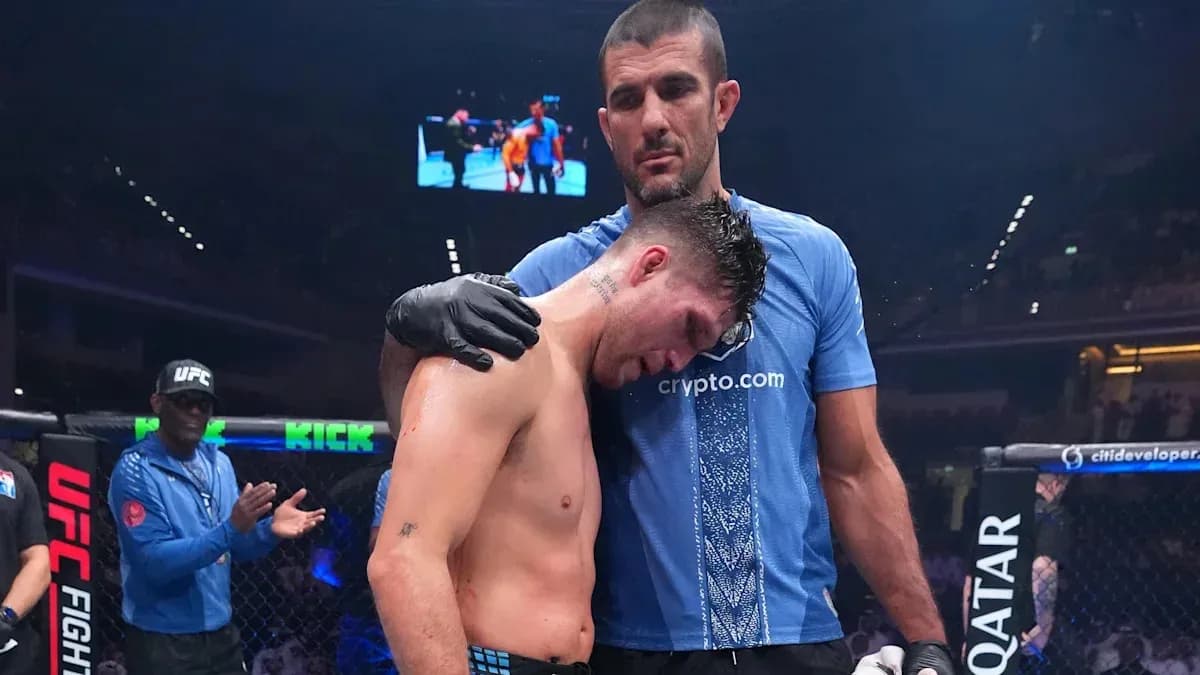
After sixteen years as a professional and eleven inside the UFC, “T-City” called time on his career following a decision defeat to Dan Hooker in Qatar. The performance felt flat, distant, as if something inside him had already let go. It had. Hours before walking out, Ortega had already told his coach Rener Gracie that this was the end, no matter what the judges said.
“I told one person, I told Rener this morning,” Ortega said to Heidi Androl after the fight. “I said, ‘Hey, man. I need to talk to you.’ Came into the room, and I said, ‘Hey, man. I think I’m done.’”
Gracie pushed back, as any coach would. Was it nerves? Was it the familiar churn of fight day doubt? Ortega insisted it wasn’t.
“I said, you know, ‘I grew up a certain way. I had to be rough. I had to be a different human being to survive. And as time went by and life is what life does, I finally healed.’”
That word kept coming up: healed. Not recovered from injury. Not refreshed after a layoff. Healed as a person.
“We sat there and we talked,” Ortega continued. “I was like, ‘Bro, I’m healed. I’m not angry anymore. I don’t have nothing to prove to the world. I don’t wanna hurt people. I just wanna stay in my lane. I wanna use my attributes and my gifts to keep pursuing other businesses, but this fighting thing is … you know.’”
For anyone who watched his rise, that marks a stark shift. Ortega stormed into the UFC like a man built for chaos. Seven straight wins. Submissions ripped from nowhere. A knack for snatching victory when logic said it had already gone. He felt inevitable.
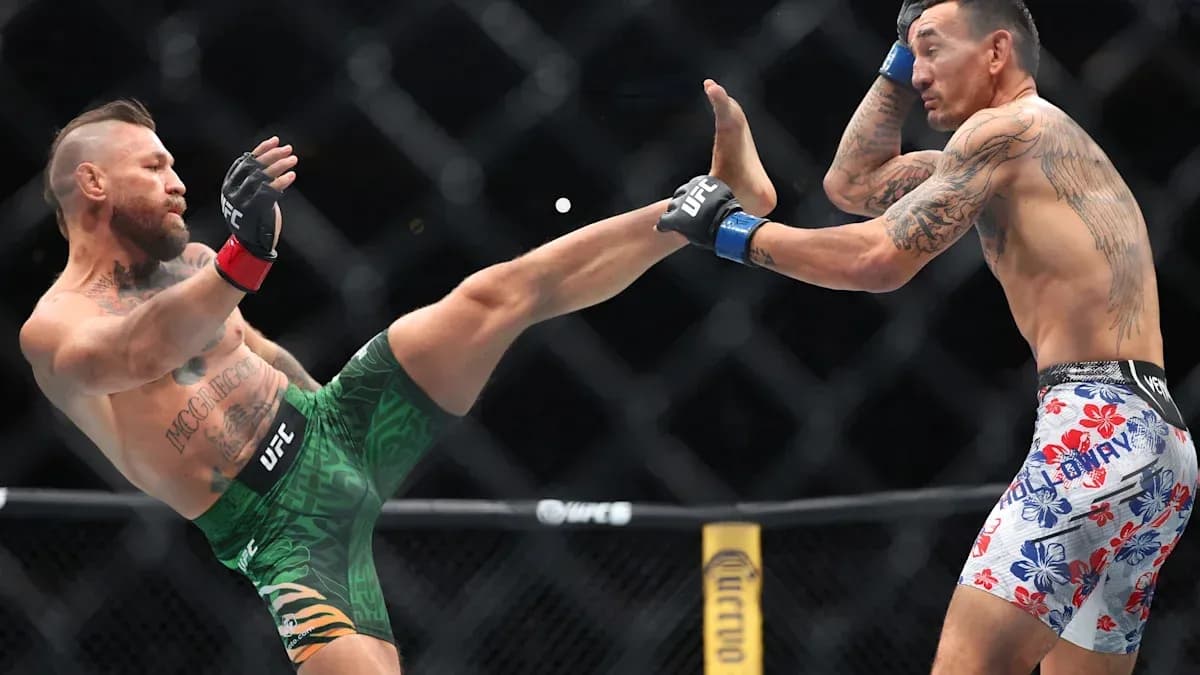
Then came Max Holloway.
Their 2018 title fight turned into a brutal lesson at the very top of the featherweight division. Ortega’s toughness became both his calling card and his curse as he absorbed round after round of punishment before the doctor finally stepped in. From that night on, the smooth upward curve of his career fractured.
He went 2–5 over his final seven outings. No soft touches, no easy rebuilds. Just a conveyor belt of elite featherweights, the “who’s who” of 145 pounds, each one demanding the same level of violence and resolve that had once fuelled him.
This time, that fuel was gone.
Ortega didn’t walk away bitter. He didn’t rage at judges or matchmakers or fate. He walked away sounding like a man who had outgrown the very edge that made him dangerous. The chip on his shoulder, the survival instinct, the need to prove he belonged in a world that rewarded cruelty – all of it, he said, had finally faded.
What Comes Next for “T-City”?
The obvious path would keep him close to the cage. Coaching. Cornering. Passing on the jiu-jitsu and composure that turned him into a star. His name alone would carry weight in any gym, any broadcast booth, any fighter’s camp.
But there’s another possibility, one he hinted at himself: disappearing into a quieter life, into family and business, far from the travelling circus that is MMA. No cameras. No walkouts. No more nights spent turning anger into income.
The gloves are on the mat. The decision is made. The fighter who once thrived on chaos leaves on his own terms, not because his body quit, but because, for the first time, his heart no longer needed the fight.