CAS Lawyer Declares Morocco's AFCON Appeal "Practically Impossible"
Senegal’s 2025 Africa Cup of Nations title is not going anywhere. At least, not if Juan de Dios Crespo is right.
The Spanish lawyer who fronted Senegal’s case at the Court of Arbitration for Sport has delivered a brutal assessment of Morocco’s hopes of reclaiming the trophy, describing the chances of a successful appeal as almost non-existent.
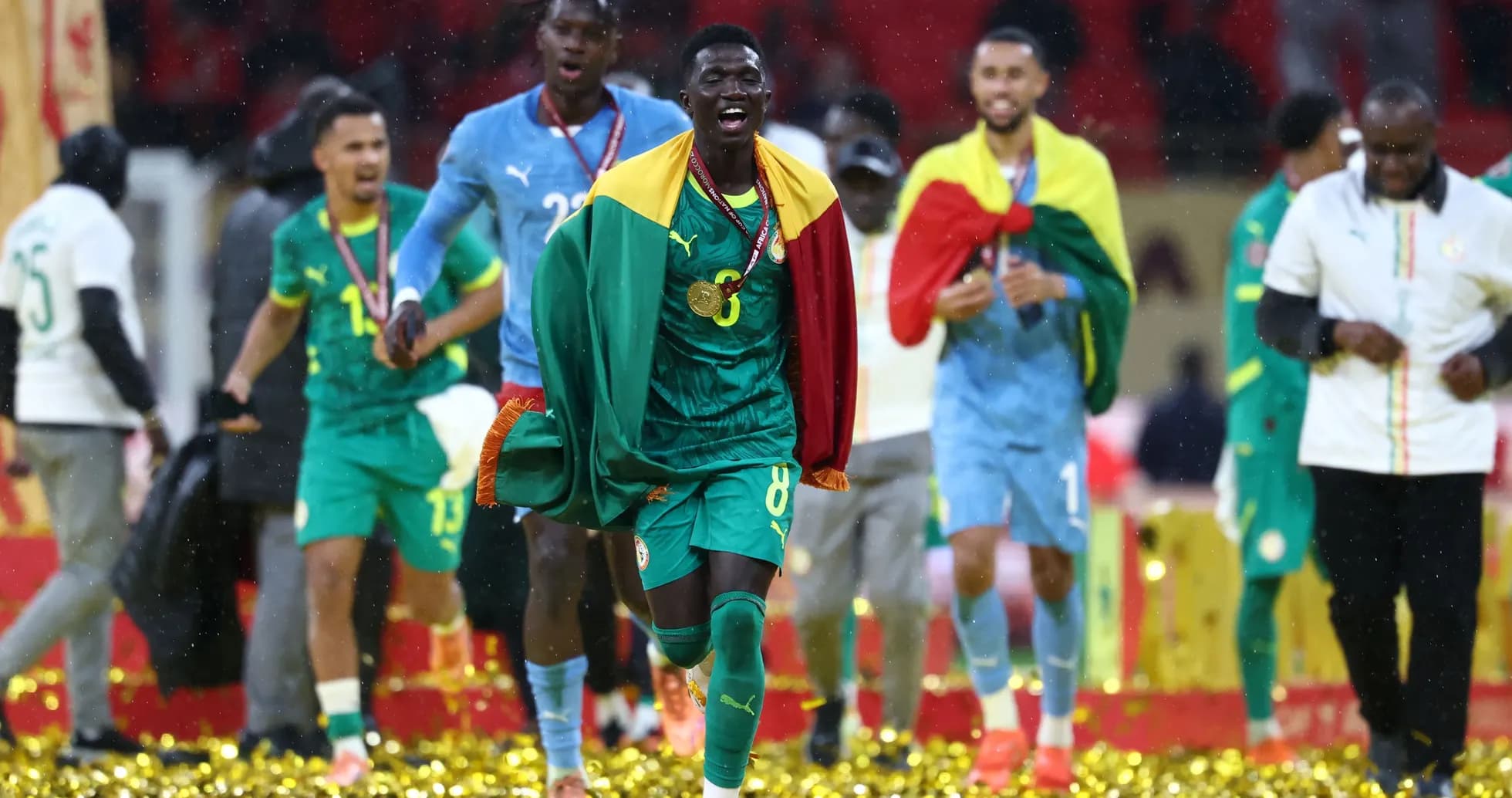
On 24 November, CAS officially awarded Senegal the title, siding with the Senegalese Football Federation after it challenged a Confederation of African Football ruling that had initially declared Morocco champions. CAF’s original decision came after Senegal’s players left the pitch for several minutes during the final, a walk-off that briefly threw the tournament’s outcome into chaos.
CAS wiped that verdict away. Senegal were champions again.
Now Morocco are trying to overturn that decision. Crespo, speaking on “El Larguero” on Spanish radio station “Cadena SER”, could barely hide his conviction: this story, in his eyes, is already written.
“Appeals of this kind very rarely succeed. The probability of the situation changing in Morocco's favour is 0.00001%. I can't say it's impossible, but in practical terms it's almost impossible,” he said.
French outlet Foot Mercato interpreted those words as a thinly veiled jab at Morocco. Crespo, though, has been consistent from the start.
“Absurd and Ridiculous”: The Case That Turned
Crespo joined Senegal’s legal team in February. Barely a month later, he stood in front of cameras and microphones in Paris, convinced that CAF’s decision to hand Morocco the title would not survive serious legal scrutiny.
“We held a press conference in Paris attended by media from all over the world,” he recalled. “The first thing I said was that the decision was absurd and ridiculous, and that it would be changed whatever happened.”
It was a bold prediction at the time. CAF had already drawn a line under the tournament. Yet Senegal refused to accept the ruling, and Crespo believed the law – and the facts – were on their side.
His arrival on the case was no accident. Long-standing ties in Senegalese sporting circles opened the door, and once he stepped through, there was no going back.
“Senegal's officials contacted me because of my connections there,” he explained. “Two days later, a Moroccan friend who works as a sports lawyer got in touch and told me that the Moroccan federation was looking for lawyers. But I told him that working with them was impossible because I was already on the other side of the case.”
One phone call underlined the stakes. There would be no switching sides, no hedging bets. Crespo nailed his colours to Senegal’s mast early and never moved.
The Turning Point on the Pitch
For all the legal argument, Crespo insists the decisive moment did not come in a courtroom, but on the grass.
When Senegal’s players walked off and the final descended into confusion, Morocco stood at a crossroads. Stay on the pitch and play on, or refuse to restart and force the issue.
Morocco stayed. For Crespo, that choice shaped everything that followed.
He argued that the Moroccan players’ determination to continue, and Senegal’s eventual return to the field, undercut the idea that the match had effectively been abandoned in a way that would justify awarding Morocco the title by default.
In his view, Morocco had a way to lock in that first decision. They could have refused to resume the game. They could have treated the title as already theirs and forced CAF and the match officials into a corner.
They did the opposite. They chose the ball over the paperwork.
Crespo went further, pointing to a single, vivid image: Brahim Diaz stepping up to take a penalty. For him, that moment symbolised Morocco’s mindset. They still believed they could win the match on the pitch, not in the boardroom.
Morocco “could have sealed the title,” Crespo argued, had they refused to let the match restart, or had Diaz not taken that penalty at all. Instead, he believes the Moroccan national team clung to the sporting contest, rather than treating the trophy as already secured.
It is a harsh reading, but a clear one: by playing on, Morocco weakened the legal ground beneath their feet.
A Legal Mountain to Climb
All of that feeds into Crespo’s stark verdict on Morocco’s current appeal. He has seen enough of CAS to know how rarely such cases are overturned once a clear ruling has been delivered.
“0.00001%,” he said, when asked about Morocco’s chances. A number so small it is almost theatrical, yet delivered with the calm of a lawyer who feels the battle is already won.
The decision now lies with CAS and its procedures, not with lawyers’ soundbites. But with Senegal already installed as champions by the highest court in sport, and Crespo adamant that the legal door is almost shut, Morocco’s fight looks less like a comeback charge and more like a desperate swing at a result that has already been written into the record.
The real question is not whether this title will move again, but how long the bitterness around that chaotic final will linger across African football.