Manchester's Football Crises: United vs. City
Manchester has seen crises before. This, though, is something else entirely.
The city currently houses two implosions at once, both loud in their own way, both oddly instructive about modern superclubs. One is familiar: Manchester United, once again chewing through managers, transfer plans and goodwill at a terrifying rate. The other is stranger: Manchester City, a team that began the season looking unstoppable, now quietly shrinking from view with every dropped point.
Manchester United
United first. Their situation is chaos in a classic, almost comforting sense. This is the textbook big-club meltdown, just turned up to 11.
Years of off-field mismanagement bleed into the pitch. Recruitment veers between short-term panic and long-term muddle. The squad looks unbalanced, the wage bill bloated, the dressing room fragile. Managers come and go, each one billed as the saviour, each one leaving with a worse record and a bigger payout. The badge still sells, the brand still shouts, but the football doesn’t match the noise.
Mauricio Pochettino has barely started and already the circus has rolled into town. Two games, and United have managed to pack in the sort of misfortune and self-sabotage that would normally take a season.
Think back to Tottenham under Igor Tudor at their most combustible and you’re in the right ballpark: a team whose flaws were obvious, but whose ability to attract calamity felt almost supernatural. United’s recent run has hit similar notes.
The home defeat to Arsenal brought capitulation to a bitter rival and a bafflingly disallowed goal. The loss to Crystal Palace flipped on an early, catastrophic red card. Atletico Madrid away produced the full European nightmare: a goalkeeping horror show of the kind that lives long in supporters’ heads and highlight reels alike. Each setback exposes another crack; each performance invites more questions about what, if anything, is actually being built.
This is the big-club crisis we recognise. The fans rage, the pundits circle, the board issues briefings about “long-term projects” while quietly checking the availability of the next manager. It’s ugly, it’s noisy, and it’s entirely on brand.
Manchester City
Across town, though, something far more unusual is unfolding.
Manchester City, for years the Premier League’s ruthless metronome, opened the season in ominous style. Seven wins from seven. The football looked smooth, inevitable. The league felt like a formality. That form, set against the backdrop of their off-field storm, sparked a different kind of fury.
The debate around City’s charges reached a fever pitch. The tone hardened. Their relentless winning became part of the indictment. It wasn’t just that they were successful; it was that they were successful while a cloud hung over them. The calls for punishment grew louder, more extreme, more performative.
- Dock them 70 points.
- No, 80.
- Relegate them.
- Do it now.
- Do it before the title race is over.
The logic was crude but clear: if they kept winning, any eventual sanction would feel inadequate. The sporting argument and the legal argument blurred into one long howl of outrage.
And then, almost overnight, the mood shifted.
Not because anything changed off the pitch. Not because there was some grand legal development. Because City, quite simply, stopped winning.
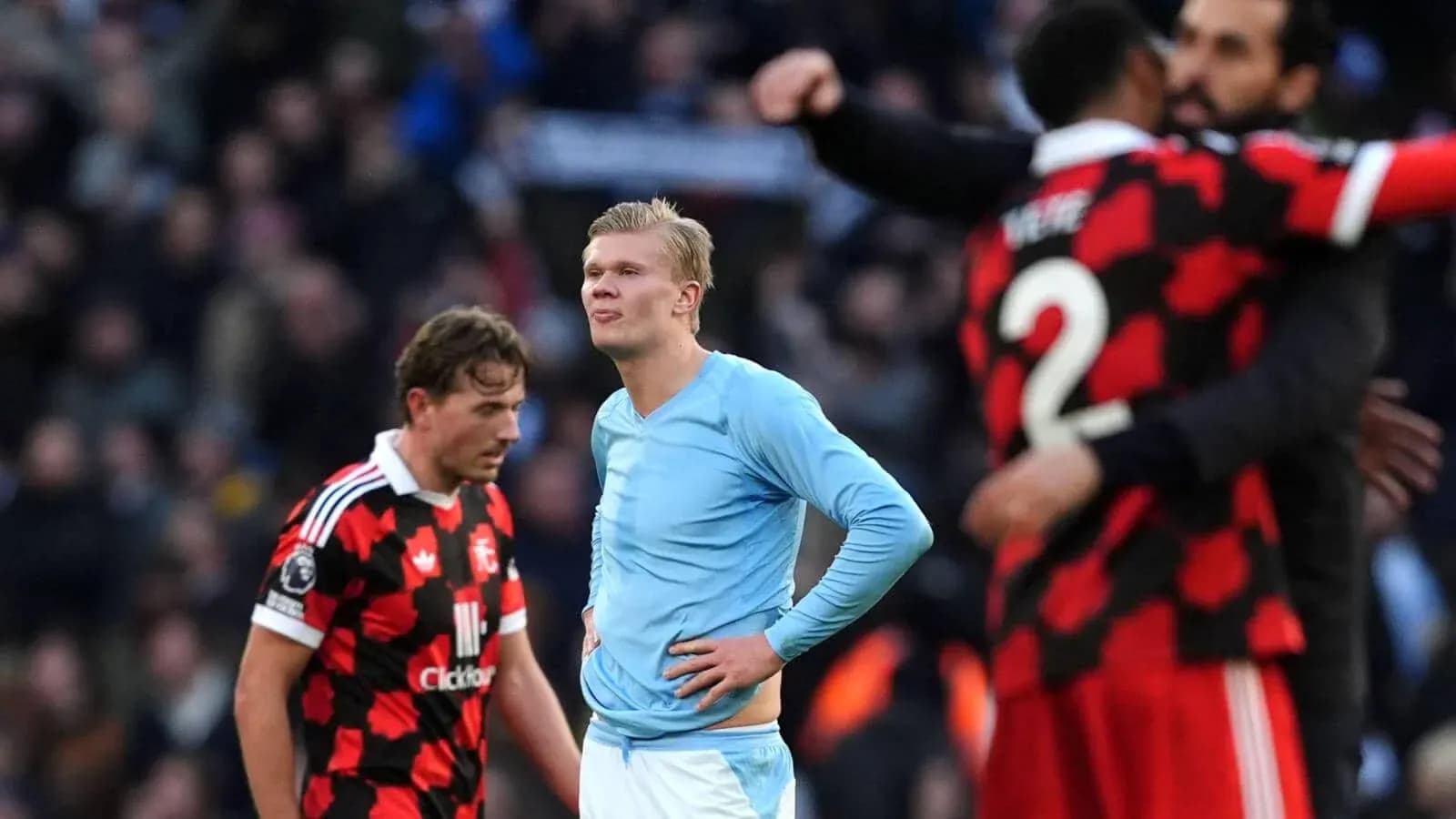
The results turned. Defeats crept in. Laboured draws against teams like Fulham replaced routine victories. The aura went. The swagger dulled. The machine began to splutter.
With every shambolic performance, something odd happened: the noise around them faded. The more human they looked, the less appetite there seemed to be for metaphorical cannons and season-ruining points deductions. The spotlight, once white-hot, started to drift.
City, intentionally or not, found the one trick no superclub has ever tried: take the heat off by playing badly.
You don’t like us steamrolling the league? Fine. We won’t. We’ll miss chances. We’ll concede soft goals. We’ll stumble out of the title race and let someone else carry the burden of expectation and scrutiny.
It is, in its way, a kind of genius.
Nobody is talking about “firing them into the sun” now. Nobody is obsessing over how to design a punishment big enough to derail a procession. The bloodlust that defined the early weeks of the season has cooled. The anger hasn’t vanished, but it has thinned out, drowned by the simple, numbing fact that City look ordinary.
The elephant in the room is still there. It just feels smaller every time they fail to win.
This is the paradox they’ve stumbled into. The worse they play, the easier life becomes. Each defeat, each underwhelming draw, nudges them further away from the caricature of an untouchable juggernaut and closer to the messy, flawed middle ground where most clubs live and most scandals fade.
It is temporary, of course. At some point, the legal process will bite. At some point, there will be a verdict, a sanction, a reckoning. At some point, the spotlight will swing back and stay there.
But right now, City’s quiet exit from a sham of a title race has bought them something priceless: time and indifference. The fury has dispersed. The narrative has moved on. Other clubs’ disasters, especially the one raging at Old Trafford, fill the airwaves and timelines.
The irony is stark. United’s crisis grows with every poor result, every misstep, every fresh embarrassment. Their problems demand attention. They invite it. They feed off it and are fuelled by it.
City’s crisis moves in reverse. The more they falter, the less anyone wants to talk about them. The noise that once surrounded their perfection has been replaced by a shrug at their imperfection.
Two clubs. One city. Two meltdowns heading in opposite directions.
One spirals towards the centre of the storm. The other slips quietly out of sight.