Dan Hooker Dominates Brian Ortega at UFC Qatar: A Career-Saving Win
Dan Hooker spent 15 minutes beating Brian Ortega in Qatar. The most important words he threw all night came after the final horn.
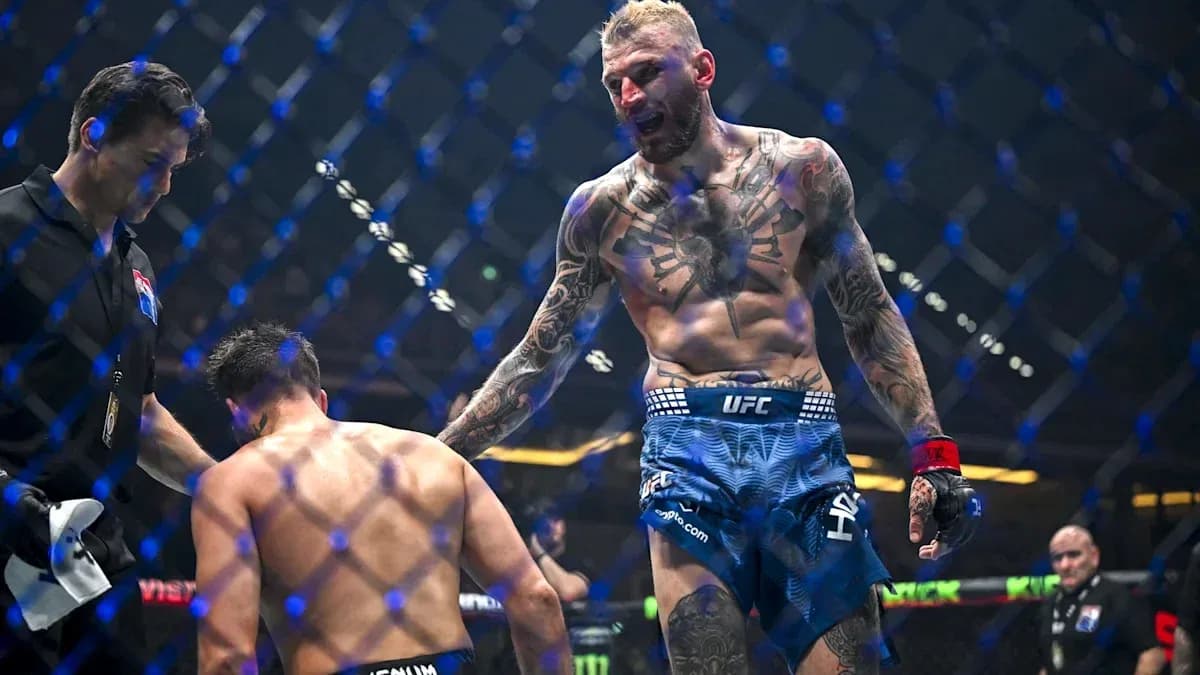
As Ortega sat in the cage, cutting the tape from his gloves and sliding them off – the universal signal that a fighter is done – Hooker walked over and tried to stop a career from ending in the shadow of a lopsided defeat.
“I told him, ‘Don’t do that. That’s too quick of a decision to make,’” Hooker explained to reporters afterward, recounting the brief exchange that cut through the noise of his biggest win in years.
Hooker’s plea: “Not a decision for after a loss”
Hooker had just dominated Ortega over three rounds at UFC Qatar, cruising to a unanimous decision and handing the fan favorite a punishing, one-sided loss. Emotionally, Ortega was clearly finished. Professionally, he said he was, too.
Right there in the cage, Ortega removed his gloves and announced his retirement from MMA.
Hooker saw the moment building and tried to intervene.
In his view, a career doesn’t end on impulse. Not after a night like that. Not while adrenaline is still roaring and pride is still stinging.
He told Ortega this was the kind of call that should be made before a fighter walks to the Octagon, not after the judges’ scorecards land.
Hooker pointed to the example of Stephen “Wonderboy” Thompson, who had gone into his own final fight with clarity: win or lose, he was done. No emotional bargaining. No “if I win, I’ll stay, if I lose, I’m out.”
That, Hooker suggested, is how a veteran signs off.
Ortega’s loss in Qatar was the opposite kind of night. He’d been outclassed, but he’d also shown what Hooker called serious durability and heart – the kind of qualities that often cloud a fighter’s judgment in the aftermath. You take a beating, you feel every shot, and the idea of never doing it again suddenly sounds very appealing.
For Hooker, that is exactly why the decision shouldn’t be made there and then.
He urged Ortega to go home, sit down with his coaches, talk to his family, and only then decide if he truly wanted to walk away.
A career-saving win for Hooker
While the focus fell on Ortega’s future, the night marked a turning point for Hooker’s own career.
Coming into UFC Qatar, the New Zealander was in trouble. Three straight losses. Three straight finishes. The kind of skid that quietly moves a fighter from contender to cautionary tale.
He needed more than a win. He needed a performance that said he still belonged in the lightweight elite.
He got it.
Hooker controlled the fight, outworked Ortega, and never allowed the bout to drift into danger. The unanimous decision didn’t just break the losing streak; it reset the narrative around a man who has spent years fighting the division’s best and absorbing the kind of damage that shortens careers.
This time, he walked out with his stock restored and his options wide open.
Holloway, the BMF dream, and a complicated call-out
Hooker didn’t wait long to point toward what he wants next.
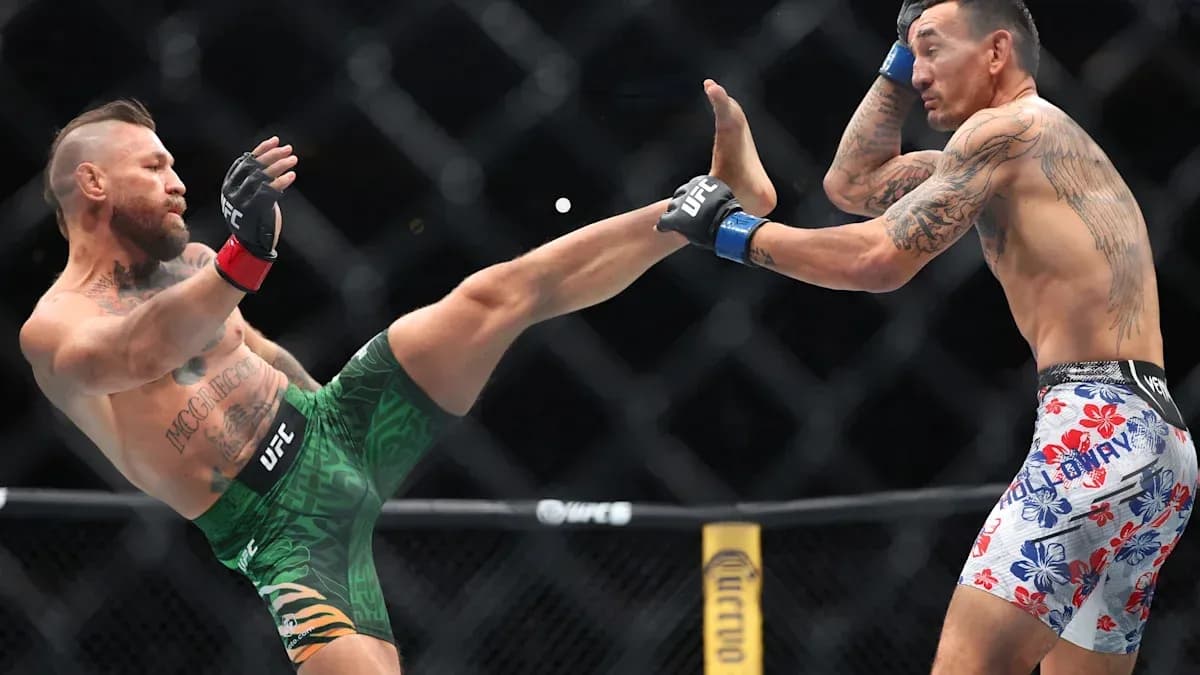
He called out Max Holloway, one of the sport’s most beloved strikers, and attached an extra layer of ambition to the challenge: he wants the BMF title on the line.
There’s a wrinkle, of course. The BMF belt currently belongs to Charles Oliveira, not Holloway. The call-out, then, is less about the belt’s technical status and more about what it represents – violence, pace, and a certain kind of chaos that suits Hooker’s instincts.
On paper, Hooker vs. Holloway is exactly that kind of fight. High volume. High skill. High risk.
Hooker has thrown his name into that conversation with purpose. He’s back in the win column, back in the headlines, and back to chasing the kind of matchups that define legacies rather than just pad records.
Ortega, meanwhile, has a different decision to make, away from the cameras and the canvas where it all came crashing down.
One man left Qatar with his career revived. The other left with his future hanging on a conversation still to come at home.