David Warner and the Sandpapergate Saga: Fresh Claims Resurface
David Warner is back in the crosshairs of the Sandpapergate saga, as fresh claims and long-buried details drag Australia’s ugliest cricket scandal into the light once again.
Six years on from Cape Town, the story is no longer just about a rogue piece of sandpaper and three disgraced players. It is about finger strapping in a bin, a hotel balcony confrontation, a furious allrounder, and a bowling unit that, according to one account, drew a hard line in the sand: “F--k Davey, we are not going down for that guy.”
The Strapping in the Bin
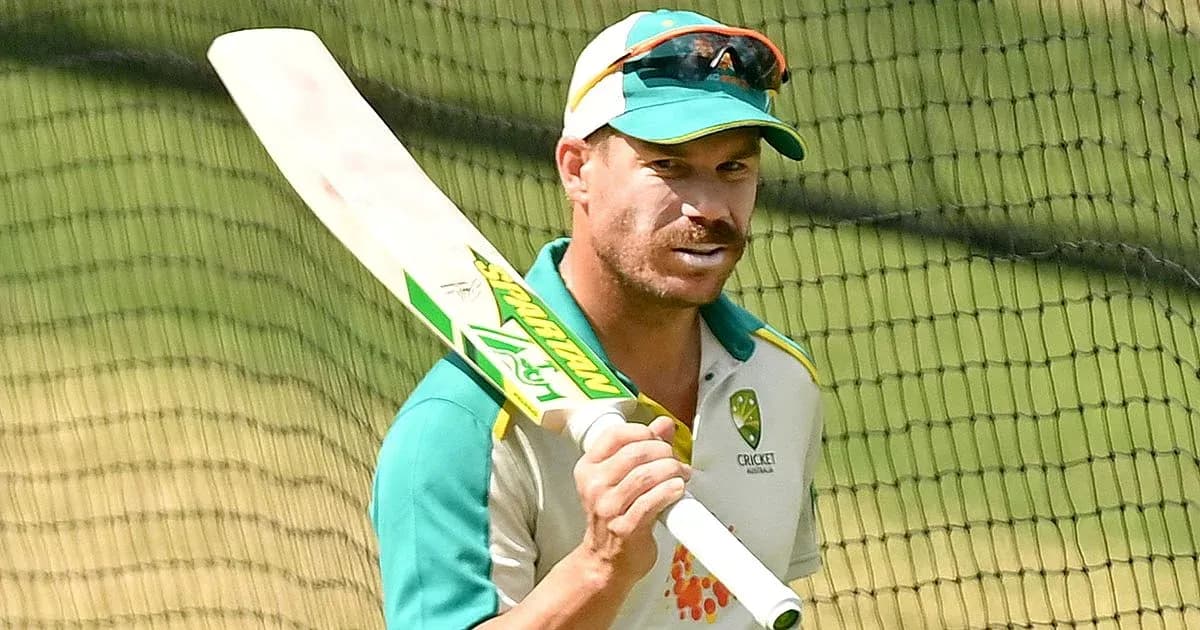
The latest flare-up comes via an investigation by SEN’s Gerard Whateley, who has spoken to figures involved with the 2018 touring party in South Africa. His reporting places Warner squarely at the centre of renewed suspicion.
According to SEN Cricket’s account of Whateley’s findings, one source claims the South African team discovered Warner’s finger and thumb strapping discarded in a bin. Another says similar strapping was picked up from the field by ground staff and handed to match officials.
What followed sounded like something out of a courtroom drama. An ICC representative, Whateley reports, wanted to physically test the tape on Warner’s fingers “to see if it fit”. The request was knocked back.
Some time later, an ICC source informed a senior Cricket Australia official that the strapping contained a mix of super glue and grit. It was incriminating material, but there was a problem: no definitive owner. Each camp pointed at the other. Suspicion hung in the air; certainty never arrived.
Warner, then vice-captain to Steve Smith and a pivotal figure in the dressing room, was under an increasingly harsh glare, even before the sandpaper was caught on camera in Cape Town.
Hotel Balconies and a Boiling Dressing Room
As the crisis exploded around Cameron Bancroft’s televised act at Newlands, Whateley’s investigation paints a picture of a team tearing at the seams.
In the team hotel, a players’ meeting unfolded as the scale of the fallout became clear. At one point, Tim Paine and team manager Gavin Dovey were seen on an adjoining balcony with Warner. According to Whateley’s report, Warner “did not see any reason why he should take responsibility”. At that stage, he had not been formally implicated.
Inside the squad, though, anger was building. One source told SEN Cricket that Bancroft — “Bangers” — was “trying to eat the whole grenade”, shouldering the entire blame. Smith, the source said, was trying to share that burden, “trying to halve that”. Warner, by contrast, was described as “whistling his way down the corridor”.
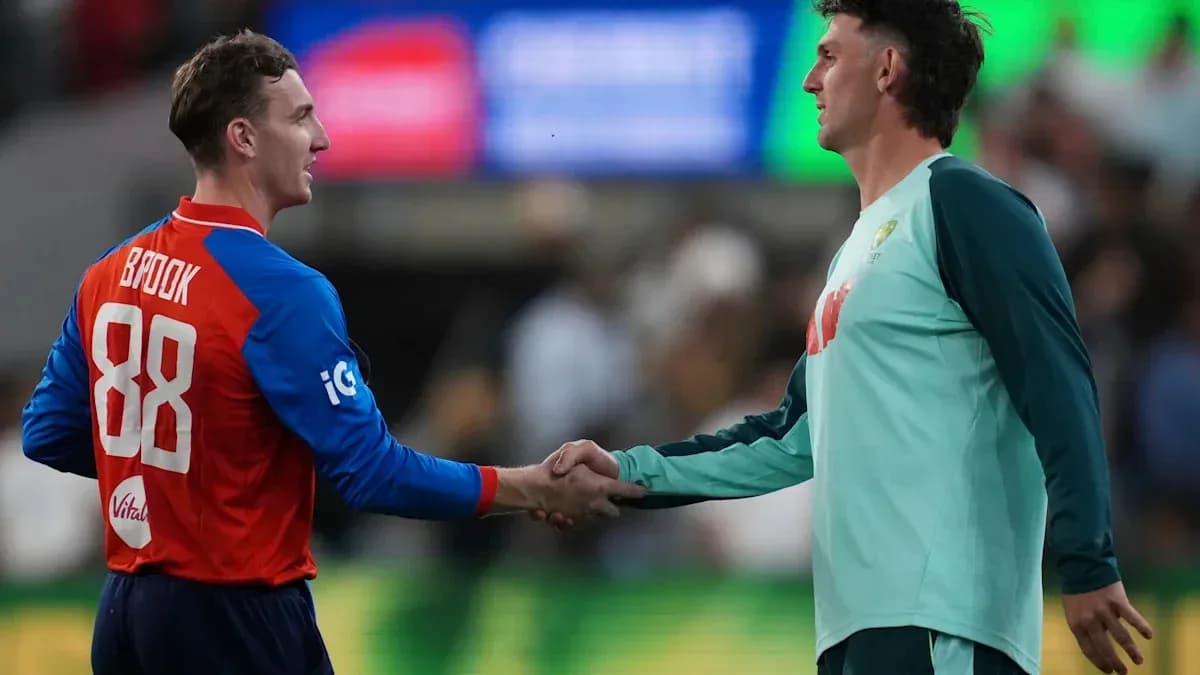
The story raced around the hotel. Mitchell Marsh — “Bison” — went hard at Warner, according to the same account, confronting him over his role and the growing perception that Bancroft would be left to carry the can.
“Much to Davey’s chagrin, he was forced into stepping up and sharing the blame,” the source said. The message from teammates was blunt: “You cannot dodge this one mate, we are not having Bangers take the fall for you.”
Warner’s reported response captured the fracture in a single line: “I will take the blame but I am not taking the full brunt of it.”
Whateley notes that the Cape Town hotel meeting was the last time that particular Australian team was together as a unit. From there, bans, resignations and recriminations took over.
Bowlers Refuse to Wear It
The debate over who knew what, and who should have owned it, has roared back in recent weeks, fuelled first by Usman Khawaja’s autobiography Sabr and then by a searing column from Bancroft in The West Australian.
Khawaja wrote that he wanted the squad to accept “collective responsibility” for the scandal. In his book, he revealed that two players pushed back against that idea. Whateley’s investigation identifies those players as Josh Hazlewood and Nathan Lyon.
The bowlers, Whateley reports, were not prepared to have their names attached to Warner’s actions. Hazlewood publicly denied that last week, but Whateley presents a different version from within the camp.
According to that account, the four frontline quicks — Hazlewood, Mitchell Starc, Pat Cummins and Lyon — gathered in a hotel room and delivered a clear message to team management: “F--k Davey, we are not going down for that guy.” The stance, Whateley concludes, “drew permanent battlelines.”
It was a moment that, if accurate, underlines how deep the scars still run in a group that has since gone on to win World Cups and an Ashes series under Cummins’ captaincy.
Old Wounds Reopened
The latest revelations sit on top of a pile of uncomfortable testimony.
In Sabr, Khawaja claimed the whole team knew about the ball-tampering plan, not just Smith, Warner and Bancroft. He alleged that sandpaper had been used a Test earlier in Gqeberha, and that the ball’s condition had been manipulated in the 2017/18 Ashes by lifting a quarter of the seam to extract reverse swing.
Cummins, now captain, dismissed Khawaja’s suggestions as “utter nonsense” at a press conference. The dispute might have cooled there. It did not.
Bancroft, the man filmed with sandpaper at Newlands and banned for nine months, reignited the storm with a 4,497-word column. In it, he backed Khawaja’s central claim: that teammates and coaches were aware of and, in some cases, encouraged efforts to generate reverse swing illegally.
He wrote about talking directly with the pace bowlers about how to get the ball reversing, and described how his use of sandpaper was not only sanctioned but celebrated within the dressing room. Only media manager Kate Hutchison, Bancroft said, stood apart from the plan.
Bancroft’s version again cast Warner as the architect. Warner, he wrote, was considered the brains behind the scheme to alter the ball, but could not execute it himself because television cameras were trained on him after his heated confrontation with Quinton de Kock in Durban. So the job fell to Bancroft, then a relative newcomer, who took the sandpaper onto the field.
A Legacy That Won’t Fade
The sanctions are etched into cricket history. Smith and Warner were banned for 12 months from all forms of the game. Bancroft received nine months. Warner was also hit with a lifetime leadership ban. Across the three Tests of that South Africa tour, he scored 217 runs, including two fifties in six innings, numbers that now sit forever in the shadow of what followed.
Australia has since rebuilt its image, changed coaches, reshaped its leadership model and lifted trophies. Yet every new book, every fresh column, every leaked hotel-room conversation keeps dragging 2018 back into the present.
The discarded strapping. The balcony summit. Marsh’s fury. The bowlers’ alleged stand. Each detail tightens the frame around Warner and reopens the question that refuses to die: did Australia ever truly confront what happened in South Africa, or is the real reckoning still to come?