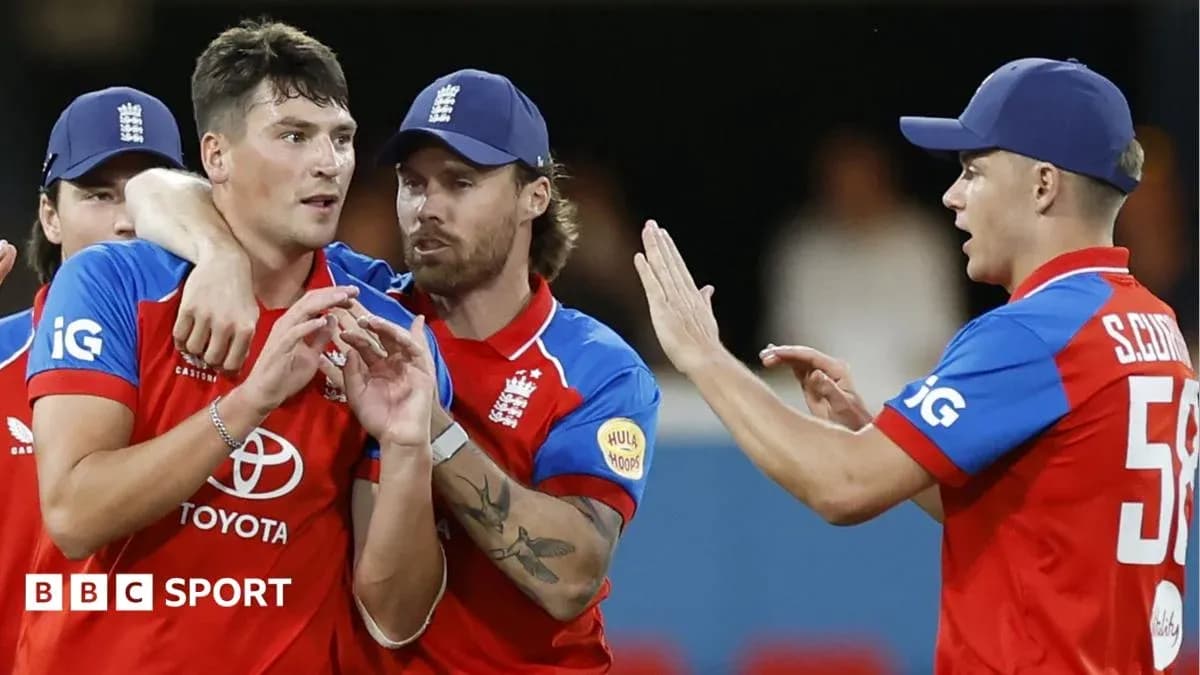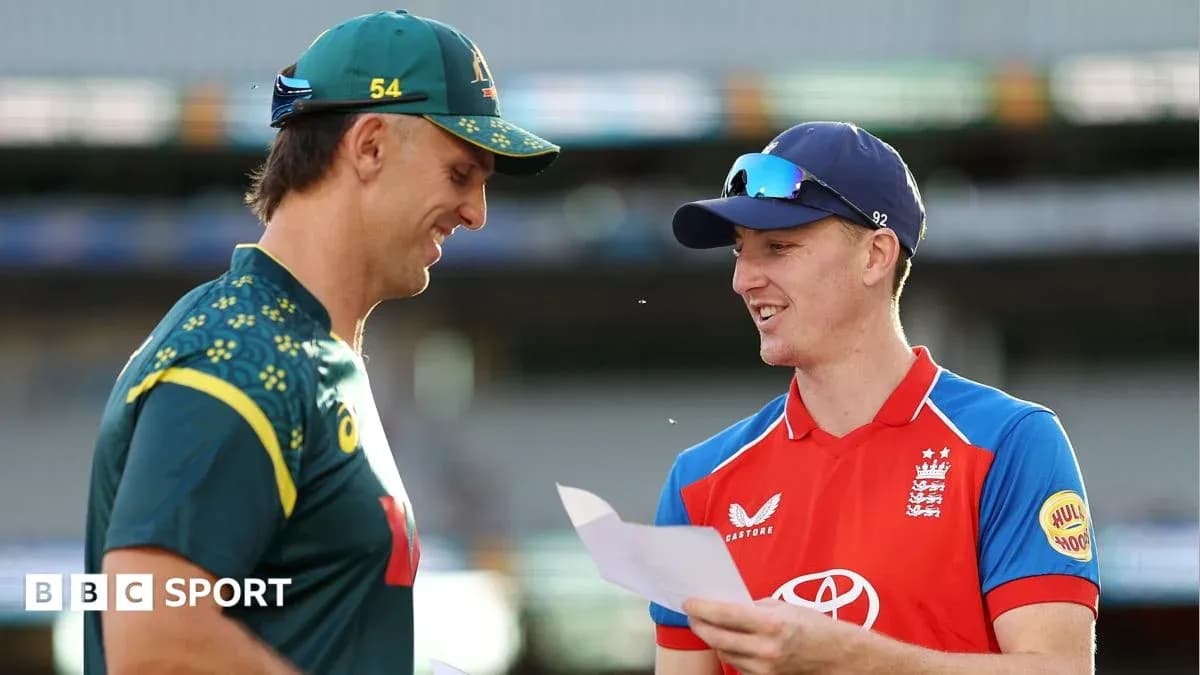
England's T20 Start: Brook Survives, Donald Falls
England’s latest T20 outing began in a blur of edges, spills and audacious strokes, a reminder that even the world’s top-ranked side can look ragged before it clicks.
Harry Brook stood at the centre of the chaos.
Targeted with a well-directed short ball, he barely flinched. Staying leg side, fully aware of the two men patrolling the deep, he simply helped the ball on its way, using the pace and guiding it fine. It was a touch shot, not a slog. A moment that underlined why so many rate him as England’s next long-term white-ball pillar.
Then came the fortune.
Adam Zampa, as safe a pair of hands as Australia usually field, grassed what commentators could only call a “dolly”. Brook offered a straightforward chance, the ball going straight to him. Down it went. Lightning struck twice when another opportunity went begging, leaving Brook looking like a man who should indeed “buy a lottery ticket”.
England, though, could not fully cash in on that generosity at the top.
Aneurin Donald arrived with a reputation. Those who saw his late-season burst in England know how he plays: no half measures, barely anyone scores faster in T20s. He walked out with intent, but intent quickly turned into trouble.
At 3-1, England already looked skittish. Donald almost swept himself into trouble twice in a single over, flirting with the hands of close fielders. The warning signs flashed. He didn’t slow down.
The inevitable came with a loose stroke. With the score on 13, Donald tried to impose himself on seamer Jack Edwards, who had simply hit a decent length. The shot never matched the ball. A simple catch to mid-off, Mitchell Marsh accepting the gift. Donald gone for 10. “Live by the sword, die by the sword” felt less like a cliché and more like his personal mission statement.
Even before that dismissal, Donald had been handed a life. On 5, he edged a rapid delivery from Riley Meredith. The extra pace pushed the ball quickly to the right of debutant wicketkeeper Sam Harper. It was a tough, one-handed chance, but at this level, you still expect them to stick. It didn’t. Another reprieve, another sign that England’s early innings was running on nerves and luck as much as skill.
For a side that has dominated this format recently, it was an oddly jittery start.
England came into this game on a tear. Unbeaten through the English summer, seven straight T20 wins since that World Cup semi-final defeat to India in March, and sitting on top of the world rankings. Even without Jos Buttler and Jofra Archer, they began this series as heavy favourites, the kind of team that usually suffocates opponents with relentless, calculated aggression.
Yet here, early on, they looked anything but settled. Edges flew, chances went down, strokes lacked conviction. The scoreboard ticked, but the control wasn’t there.
And still, this is the mark of a powerful T20 side: even when they’re scruffy, even when the execution wobbles, the intent never really disappears. Brook keeps swinging, Donald keeps attacking, the philosophy doesn’t bend.
The bigger picture looms large. Priorities across formats may be split, but the next T20 World Cup will be in Australia. Conditions will be quick, unforgiving, and brutal on hesitation. Days like this, with dropped catches, streaky boundaries and high-risk batting, will either sharpen England’s edge—or expose the cracks that others will gladly rip open on the biggest stage.