Ferrari's Disappointing Qualifying at Las Vegas
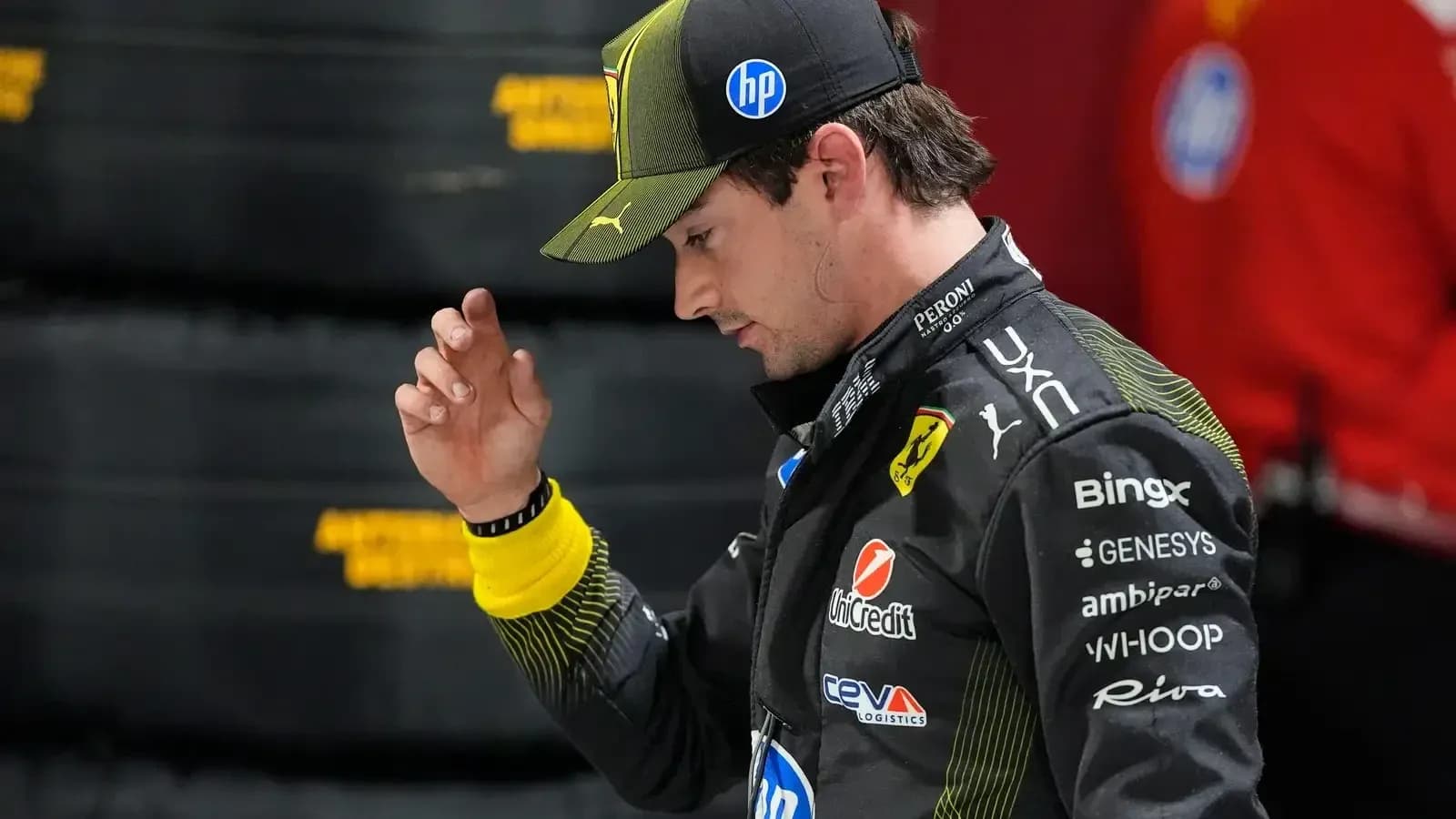
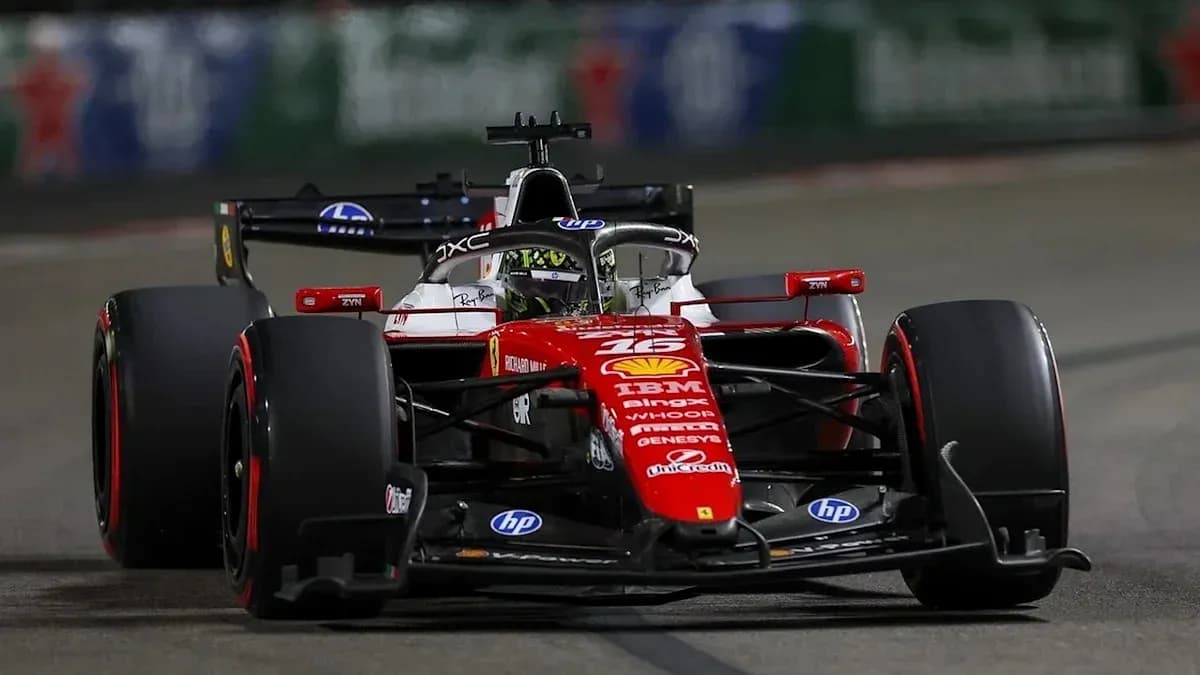
Charles Leclerc cut a frustrated figure under the neon glare of Las Vegas, labelling Ferrari’s qualifying display “very disappointing” after both SF-26s slumped out in Q2.
The raw pace from practice never truly arrived when it mattered. Leclerc and Lewis Hamilton had looked solid in the only meaningful dry session, FP3, ending it fourth and eighth. On a night when Ferrari hoped to turn that into a routine passage into Q3, the session instead unravelled.
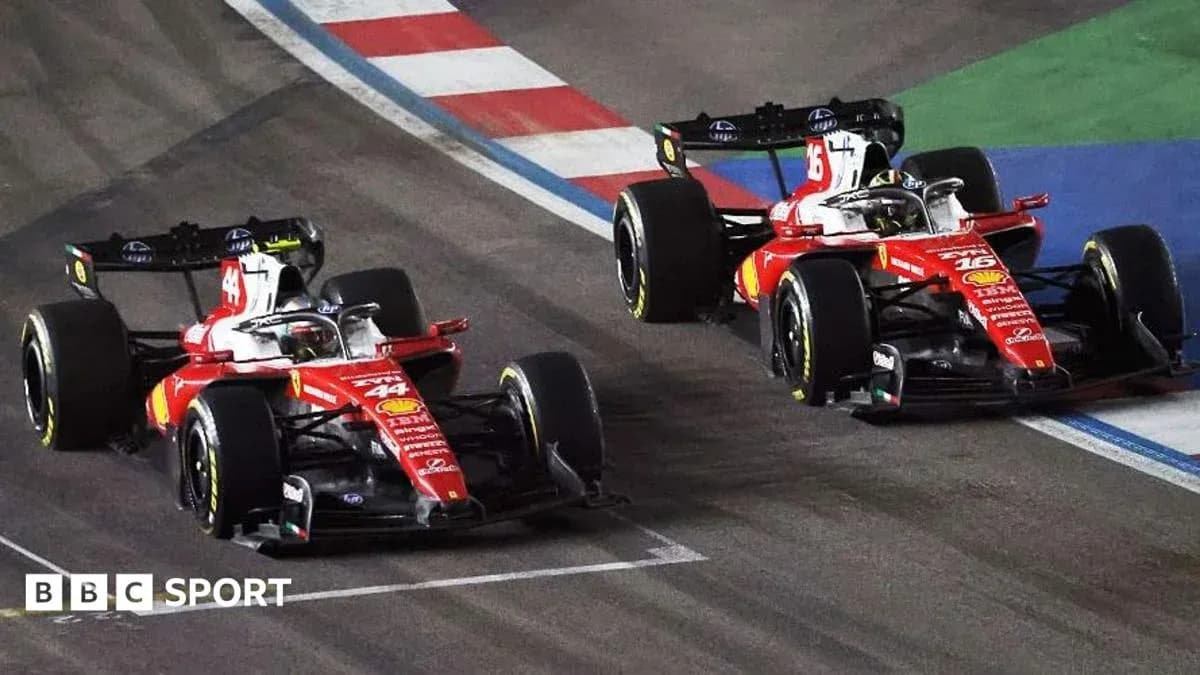
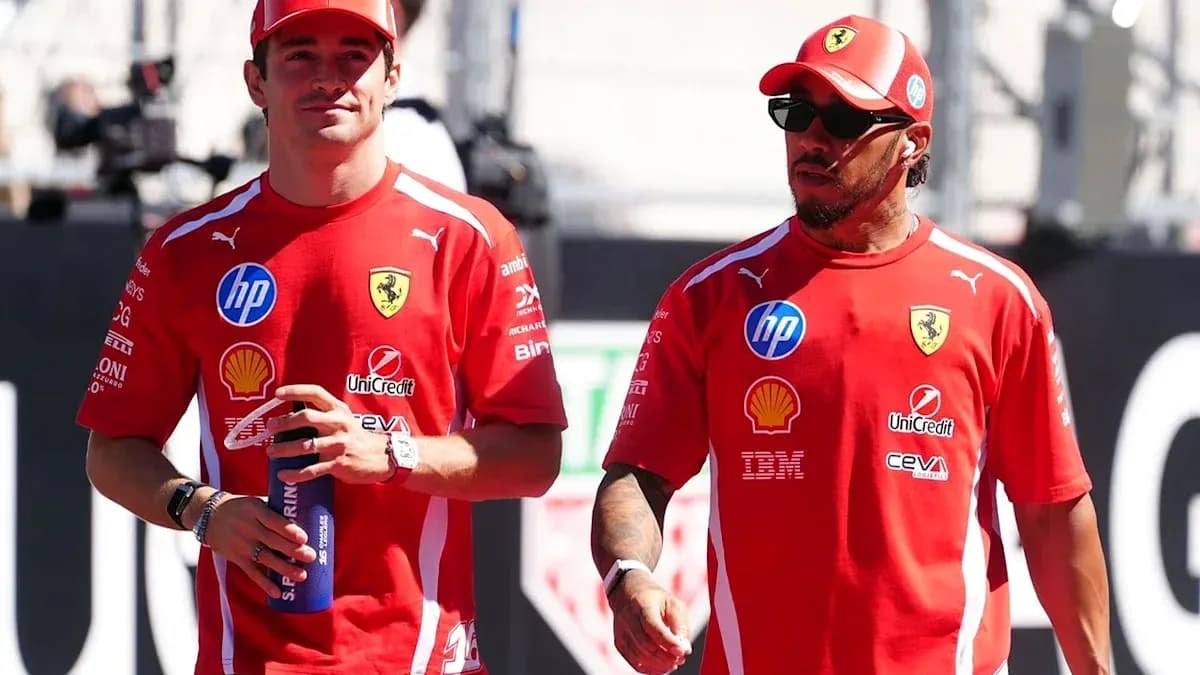
Leclerc still managed to show a glimpse of speed early on, hauling the car to third in Q1. Hamilton’s run was already compromised, the Briton picking up floor damage and limping to 13th. Once Q2 began, the margins shrank and Ferrari’s weaknesses were brutally exposed. Leclerc could do no better than 11th, Hamilton 12th – a joint-worst qualifying return for the team since the 2021 Belgian Grand Prix.
The numbers told an uncomfortable story. Ferrari bled time on the long Las Vegas straights, its lack of top speed and lower engine power leaving both drivers helpless in a field stacked with stronger power units. Leclerc described losing “one second down the straight”, an enormous deficit at any circuit, but especially at a track built around flat-out blasts and heavy braking zones.
The pressure built, and with it came errors. Chasing a lap that might drag the car into Q3, Leclerc locked up at Turn 7 in Q2, a mistake he admitted proved costly. Yet he made it clear that the lock-up was only the visible tip of a deeper problem.
“I’m very disappointed as a whole,” he said, pointing not just to his own error but to what he called “a lot of mistakes with the way we managed everything, traffic and other things”.
On a night when tyre preparation meant everything, Ferrari’s execution fell short.
This circuit punishes any team that mismanages tyre temperature. Drivers must launch into a lap with the rubber in a very narrow working window. Leclerc felt he was left juggling too many tasks on his own.
He spoke of spending too much time glancing at his mirrors, trying to manage traffic himself while still attempting to nurse the tyres into the right state. That extra distraction, he suggested, made it “very difficult to do anything” when the lap finally began.
Ferrari’s Achilles’ heel this season – tyre warm-up – again shaped the strategy. While several teams experimented with towing to squeeze extra speed down the straights, Leclerc and Hamilton ran without it. Not because they didn’t want the tow, but because they couldn’t afford the trade-off.
“[The tow] was not discussed,” Leclerc explained. The priority was simple: keep temperature in the tyres at all costs.
For Ferrari, even the so-called cool-down laps demand a push, just to stop the tyre surface from dropping out of that fragile operating window. Waiting around to coordinate a slipstream, slowing below the car’s natural rhythm, risked losing that temperature completely.
Leclerc admitted he did manage to hit the correct tyre window on his lap, yet the underlying issue remains. When a team must drive harder than ideal simply to keep the tyres alive, every extra variable – traffic, timing, track position – becomes a potential trap.
The result leaves Ferrari buried in the pack for Saturday’s race. Grid penalties elsewhere offer a small reprieve: Oscar Piastri’s 10-place drop for exceeding his power unit allocation nudges Leclerc up to 10th and Hamilton to 11th. It’s a cosmetic gain more than a cure.
Las Vegas is the most power-sensitive venue on the calendar, and Ferrari knew this weekend would sting. Even so, Leclerc had expected to reach Q3. Instead, he and Hamilton face a long, hard slog through traffic on a circuit where their straight-line speed deficit will stalk them every lap.
Under the lights of the Strip, Ferrari didn’t just lose time. It lost its margin for error – and paid for every misstep.