Ferrari Faces Challenges After Qatar Qualifying Setback
Ferrari arrived in Doha expecting a fight at the front. It left Saturday night scratching its head, locked in a midfield scrap with Racing Bulls and watching Mercedes disappear into the distance.
On a track that should have played to its strengths, the SF-26 never turned up.
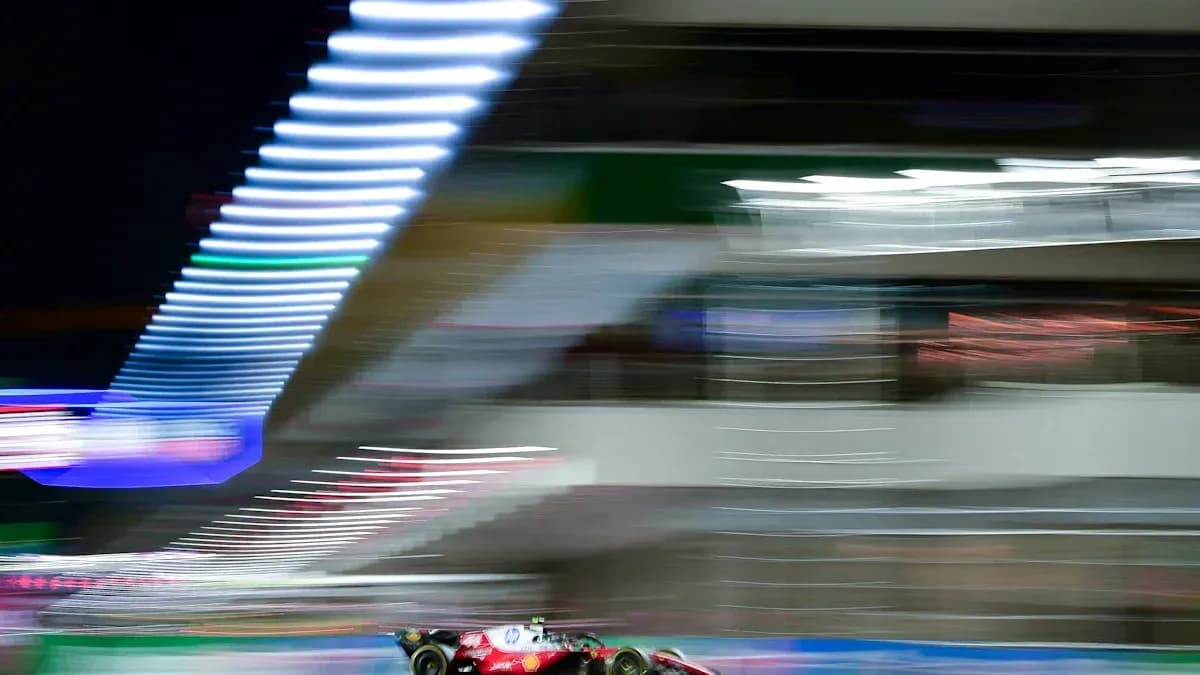
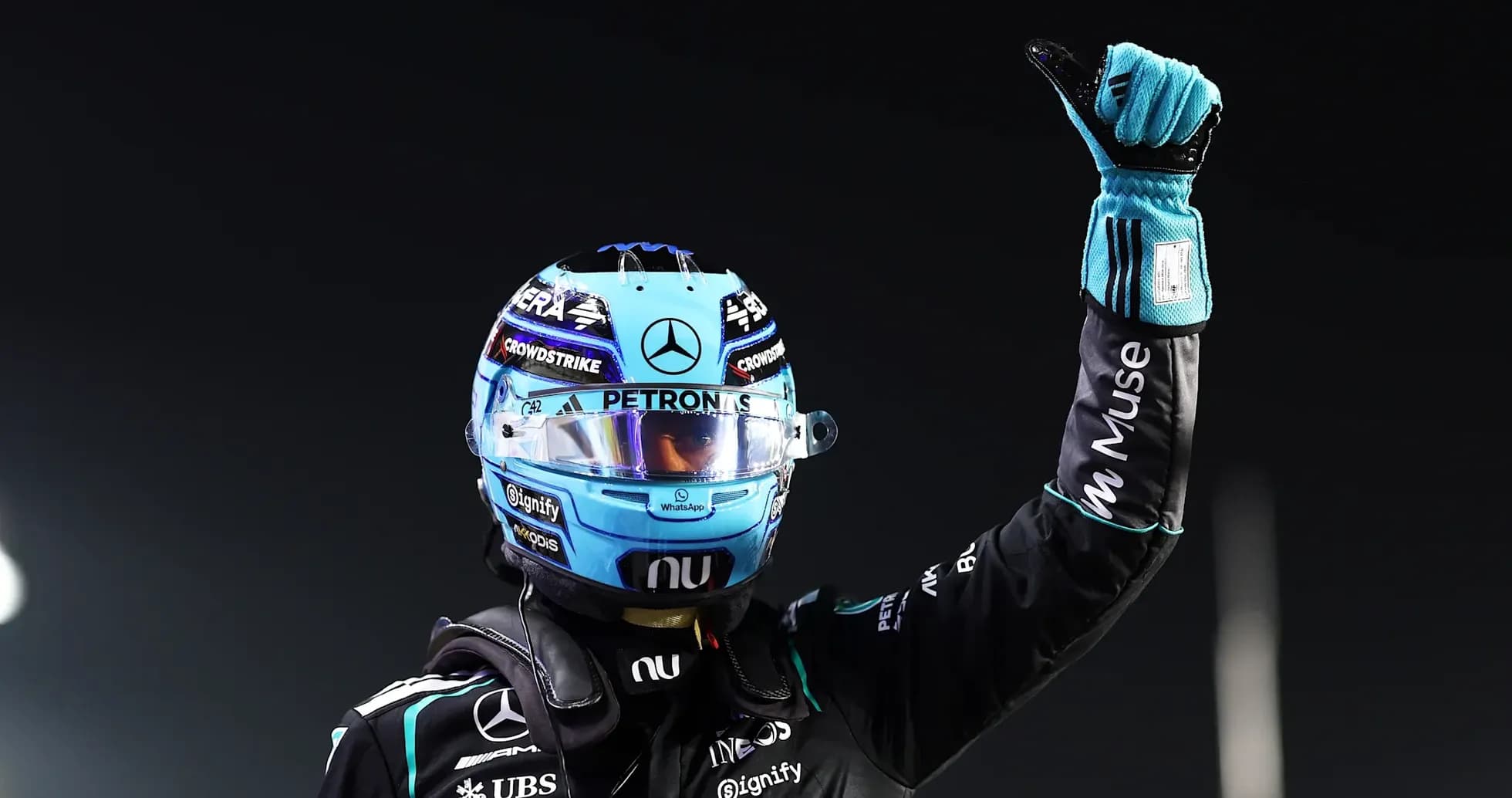
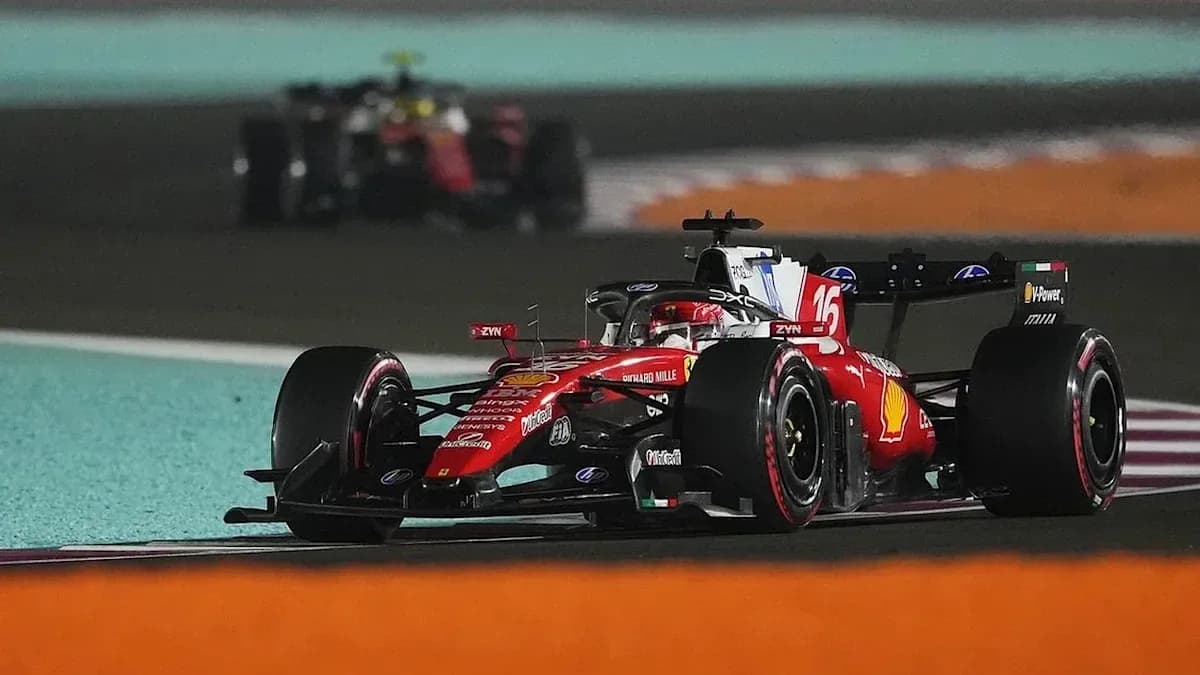
Charles Leclerc could do no better than seventh in qualifying at Lusail, a full second adrift of polesitter George Russell in the dominant Mercedes. Lewis Hamilton’s Mercedes slotted in behind, ninth on the grid, wedged between the Racing Bulls of Arvid Lindblad and Liam Lawson – not the company Ferrari expected to keep at a high-downforce venue.
Lusail’s layout, all long-radius corners and loaded aero, looked tailor‑made for Ferrari on paper. From the first lap of practice, that script went in the bin. The red cars never looked threatening, never hinted at the kind of pace that had them dreaming of a podium.
Team principal Fred Vasseur didn’t sugarcoat it.
“It’s the worst of the season, clearly in terms of pace,” he told Sky. Ferrari came to Doha with “decent expectations,” but the weekend unravelled quickly. The team found itself fighting the track, the conditions, and above all, the tyres.
Pirelli’s extreme prescription of 29psi – the highest minimum tyre pressure on the calendar – turned into a brick wall Ferrari couldn’t climb. The Italian supplier, wary of the huge loads and aggressive kerbs at Lusail, also capped stint length at 27 laps. That combination left the SF-26 skittering across the surface instead of biting into it.
Vasseur’s verdict was blunt: miss the tyre window, lose a second. Ferrari missed it from the start and never recovered.
Leclerc went deeper into the problem. For him, the issue runs beyond one weekend and straight into the car’s DNA.
He highlighted the ultra‑smooth tarmac as a key factor, an outlier that exposes a recurring weakness. Lusail, he noted, is “a lot smoother than anything in the calendar,” and that characteristic seems to strip Ferrari of grip more than its rivals. Where others lean on the surface and build temperature, Ferrari slides.
The worrying part for Leclerc isn’t just the stopwatch. It’s the feeling – or lack of it.
Normally, when a car is half a second off, a driver knows it. The balance is off, the rear won’t stay put, the front won’t bite. This time, Leclerc said the SF-26 doesn’t feel “too bad” in terms of balance. The problem comes when he tries to lean on it. Push harder, and the car simply lets go on all four corners. No extra rotation, no extra grip. Just more sliding and missed apexes.
In simple terms: there’s nothing left in the pocket. The car is already at its limit, and that limit isn’t fast enough.
That’s the sort of trait that keeps engineers awake at night, because it hints at a fundamental limitation rather than a setup miss. Leclerc knows it, and his gaze has already shifted to 2025. If Ferrari wants to fight for a title, it cannot afford to be helpless on certain types of asphalt. Tracks like Lusail will not vanish from the calendar.
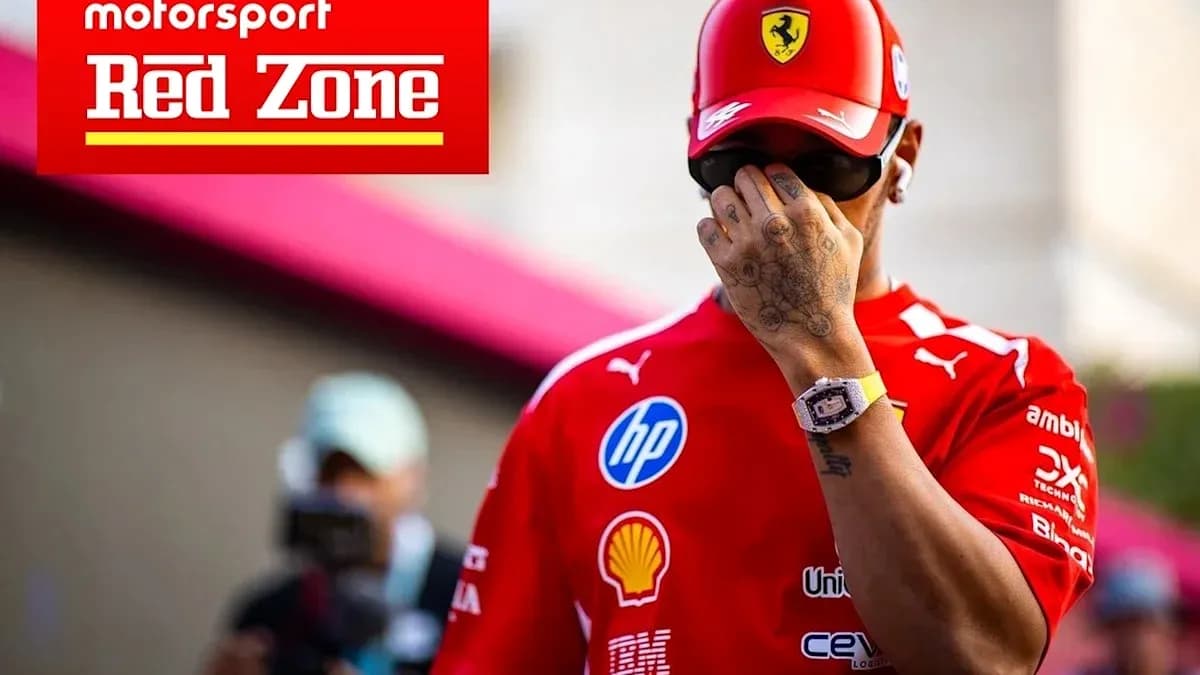
Hamilton, now in red and living this struggle from the cockpit, backed up Leclerc’s take on the surface – but he pointed at another wound: the power unit.
Doha might not look like a power track. There are no Monza-style straights, no endless drags from hairpin to chicane. Yet the lap is spent with the throttle pinned for long stretches through fast, sweeping corners. That’s where Mercedes is tearing chunks of time out of Ferrari.
For Hamilton, the difference is obvious when he looks ahead at a silver car.
“It’s just power,” he said. By the time the Mercedes reaches Turn 12, it’s already carrying more speed and then simply keeps pulling. Ferrari can’t match that “grunt” on the straights or through the throttle-on zones that link the corners.
He called the current power unit “a big obstacle” and made it clear the team knows where it mis-stepped with this engine cycle. Work is already underway to fix it for next year, but as Hamilton put it, Ferrari is “a year behind everybody.”
Combine that deficit with a car that doesn’t switch on its tyres on smooth tarmac, and you get the picture that played out under the floodlights: red cars trapped in no-man’s land, unable to chase the front and unable to drop the midfield.
The race offers little comfort. With Pirelli’s stint-length cap and the narrow strategic window, there is barely any room to gamble on an alternate approach. Overtaking at Lusail remains a grind; dirty air through the fast sections punishes any car that dares to sit too close for too long.
Leclerc knows what that usually means.
He admitted he doesn’t want to sound pessimistic, but the numbers don’t lie. On raw pace, Ferrari sits much closer to Racing Bulls than to Red Bull or Mercedes. The fight, for now, is not with the title contenders. It’s with the teams it thought it had left behind.
Ferrari came to Qatar expecting a platform to build a charge. It leaves facing harsher questions: about an engine that lacks punch, a car that shrinks on smooth asphalt, and a title project that cannot afford weekends like this.
The stopwatch has delivered its verdict. The response now has to come from Maranello.