Ferrari's Struggles in Las Vegas Qualifying
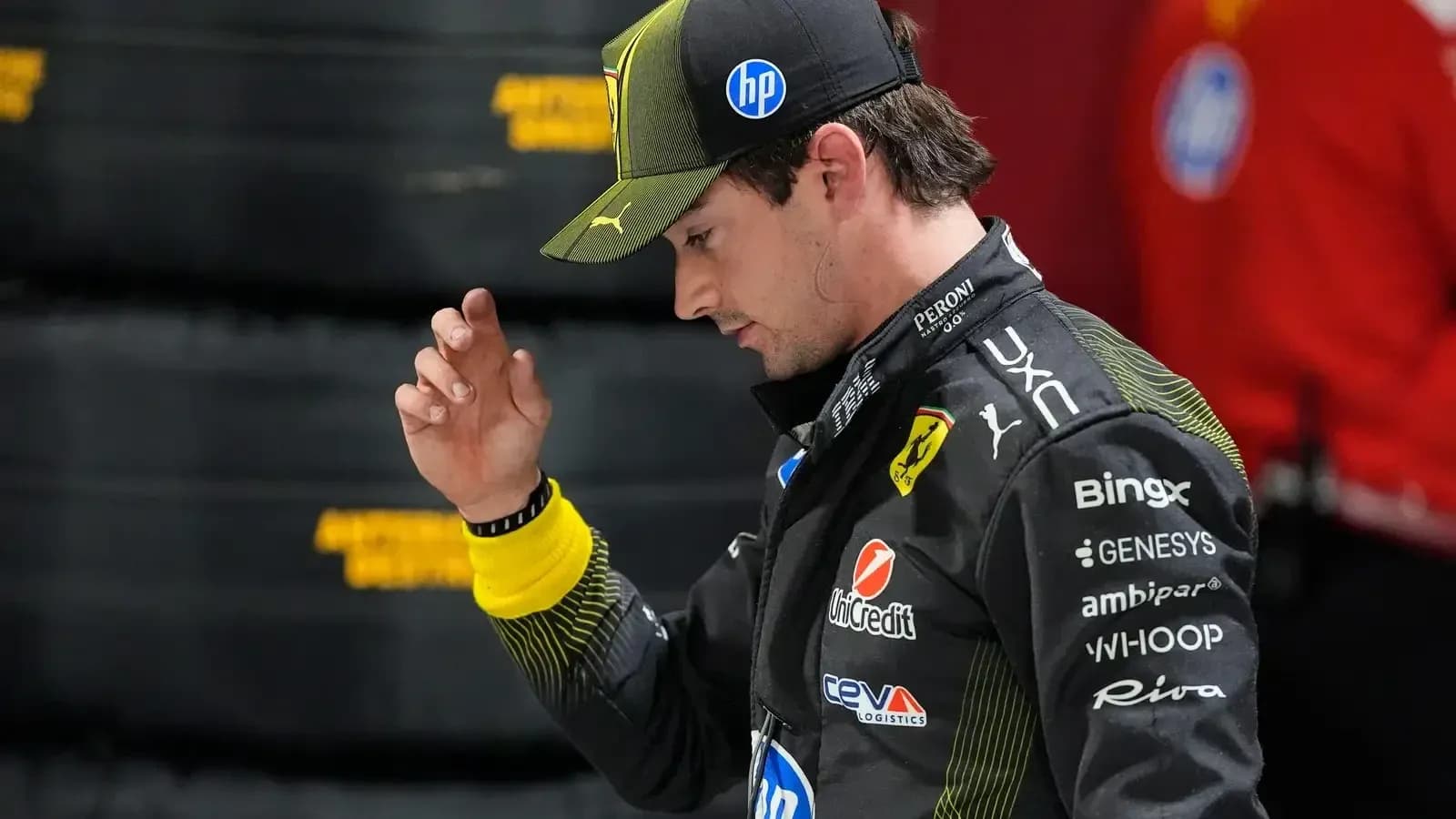
Charles Leclerc left the Las Vegas strip furious and bewildered, as Ferrari slumped out of the top ten in qualifying on a night that exposed every weakness in the Scuderia’s package.
The Monegasque did not sugar-coat it. He spoke of a “massive” lack of engine power and claimed Ferrari “lost one second down the straight” to their rivals, a chasm he branded “crazy” on a layout built almost entirely around top speed. On a circuit where the stopwatch is brutally honest, there was nowhere to hide.
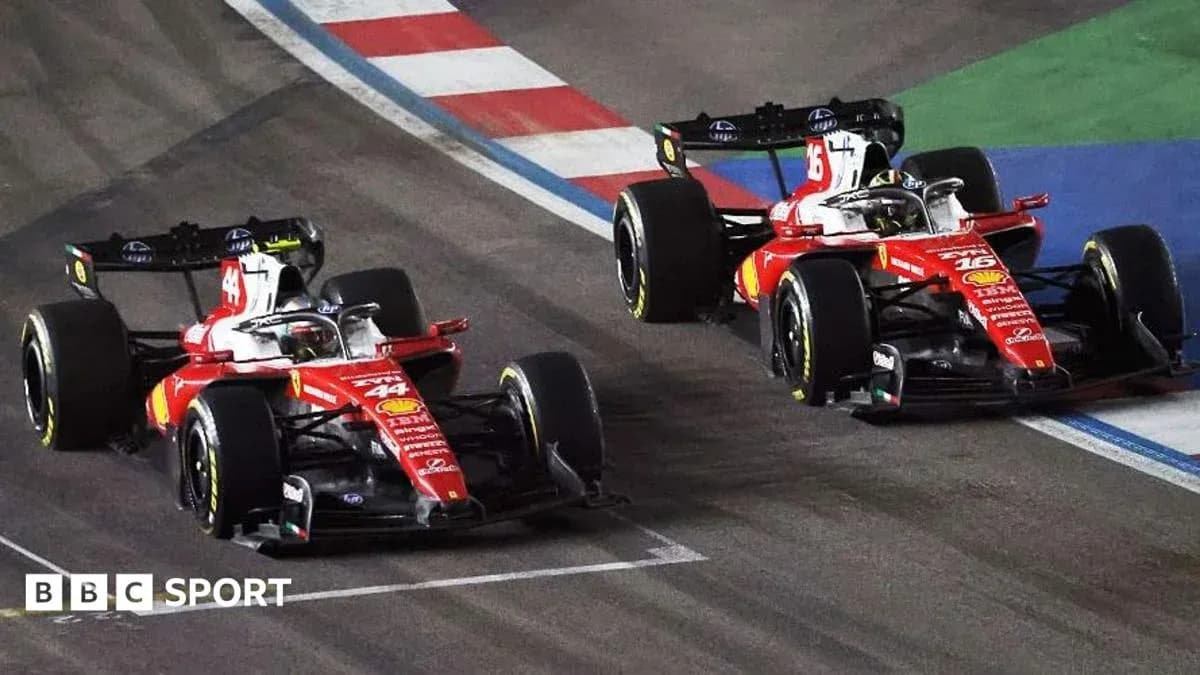
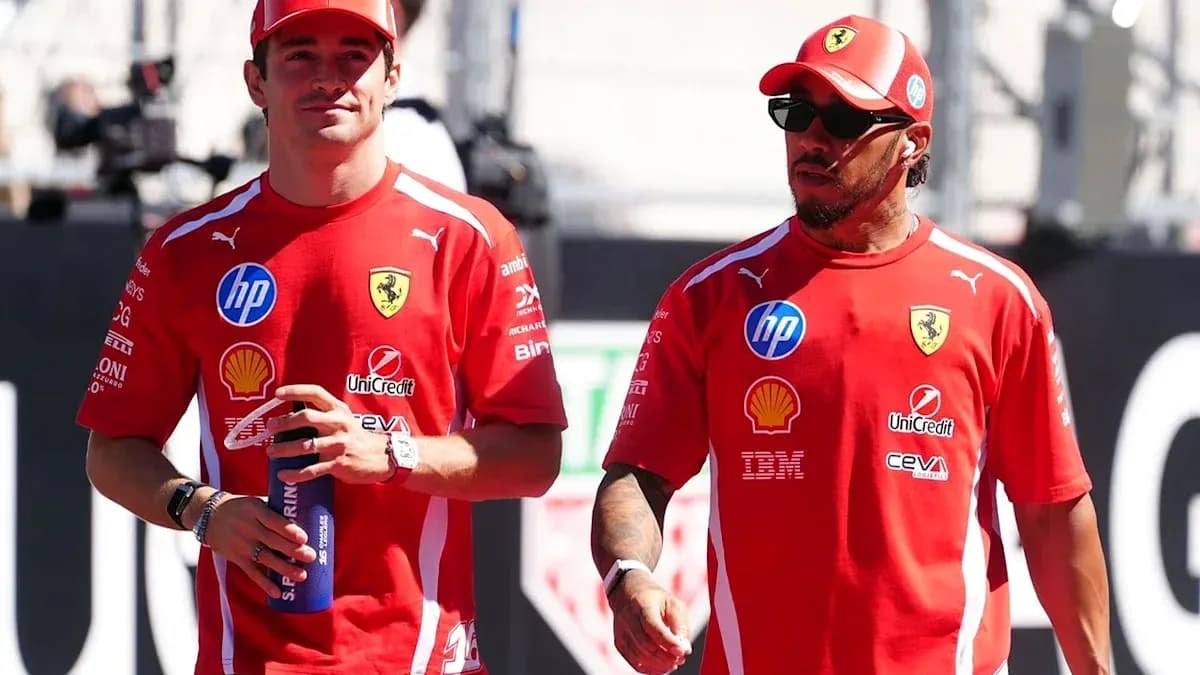
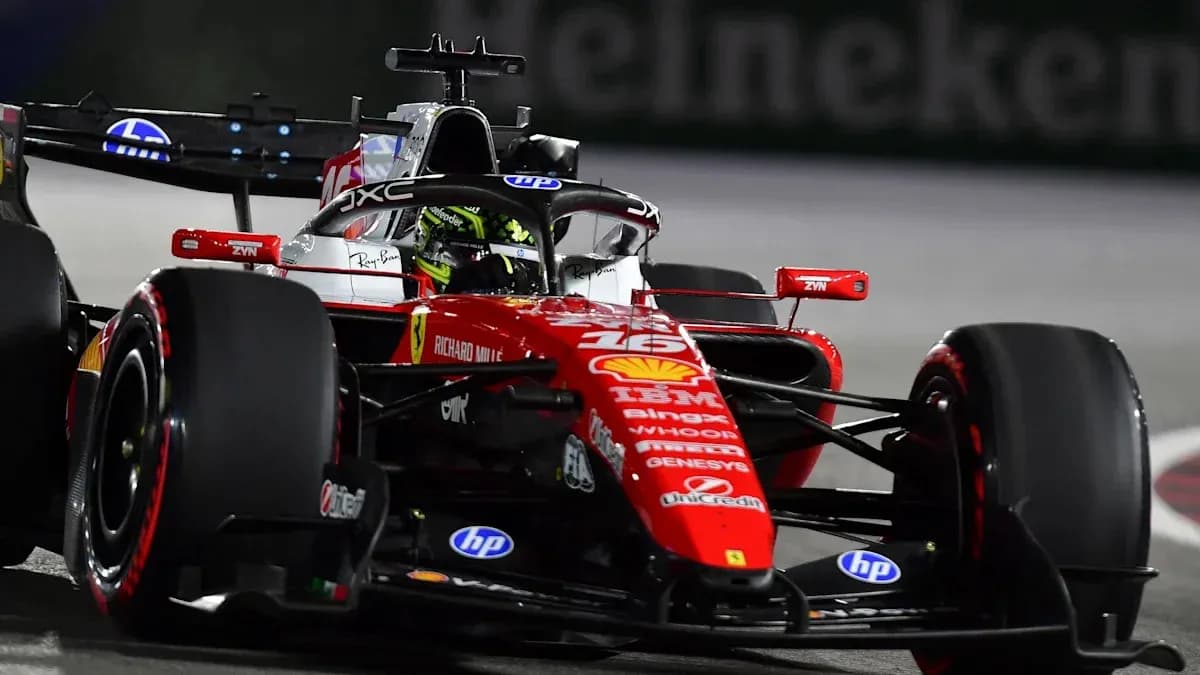
Both Ferraris bowed out in Q2, matching the team’s joint-worst qualifying performance since 2021. Leclerc ended up 11th, Lewis Hamilton 12th, a row of the grid that tells its own story for a team accustomed to fighting on the first two.
Powerless on the Strip
Ferrari arrived in Las Vegas knowing this would be a bruising examination. The track is the most power-sensitive of the season, dominated by long, flat-out sections that reward sheer horsepower and low drag. The deficit was as stark as Leclerc described: roughly a second gone on the main straight alone.
The team chose not to play with slipstream tactics between their cars. No towing games, no choreographed runs. The priority, Leclerc explained, was simply keeping the tyres alive. Any attempt to stack the cars for a tow risked dropping tyre temperatures even further, and Ferrari could not afford that trade-off. The price was clear: no extra free speed from the draft, and no way to mask the lack of grunt.
Trapped Between Traffic and Tyres
The straight-line shortfall was only part of the nightmare. Leclerc pointed to misjudged traffic management and chronic tyre temperature issues that turned every push lap into a tightrope walk.
On a night lap around Las Vegas, track position is everything. Yet Leclerc found himself glancing constantly in the mirrors, trying to manage the cars around him instead of attacking the corners ahead. Every time he backed off to create space or avoid blocking, the tyres bled temperature. Every cool-down lap became a risk, the rubber slipping out of its ideal window.
He admitted that juggling traffic and tyre management left him unable to fully commit. If he focused on the mirrors, he lost the rhythm to push. If he pushed, he risked getting tangled in traffic. Caught in that no-man’s land, the lap time simply never came.
By the end of Q2, the damage was done. A second lost down the straight. No tow. Tyres on the edge. Two red cars parked in the garage while the fight for pole raged without them.
Las Vegas was always going to be a test of raw power and execution. On both counts, Ferrari came up short. The question now is whether this was a one-off exposure on the most power-hungry track of the year, or a warning shot about where they truly stand when the sport’s fastest circuits demand everything.