Ferrari's Vegas Nightmare Reveals Weaknesses in Qualifying
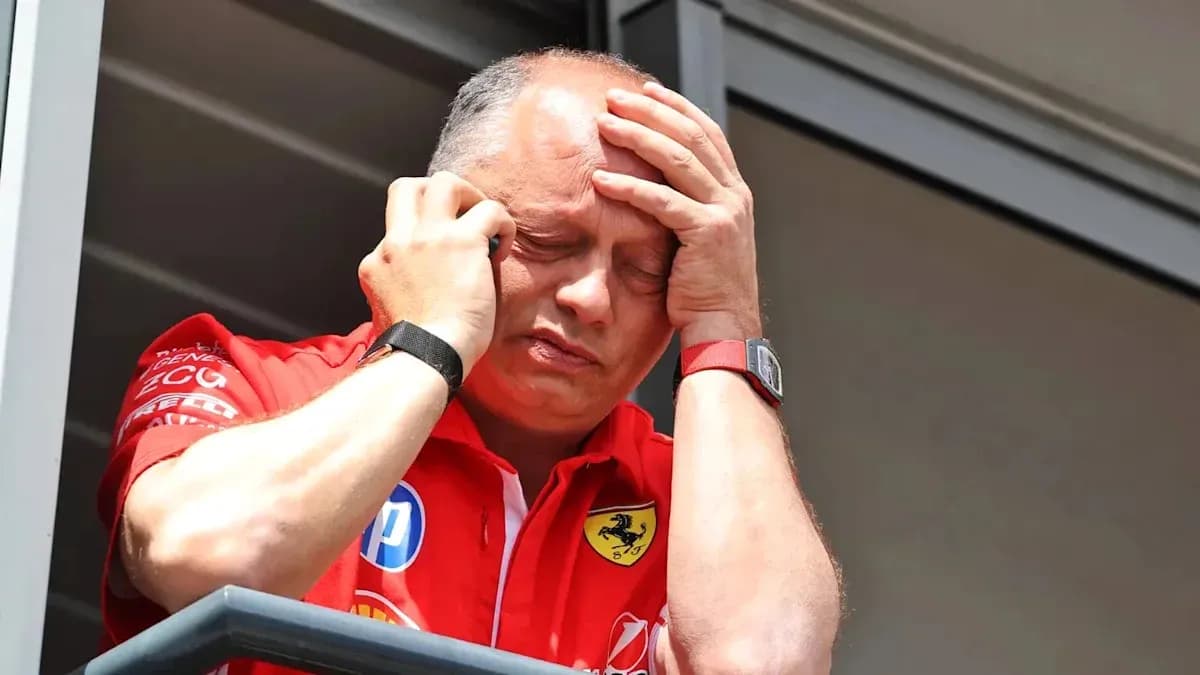
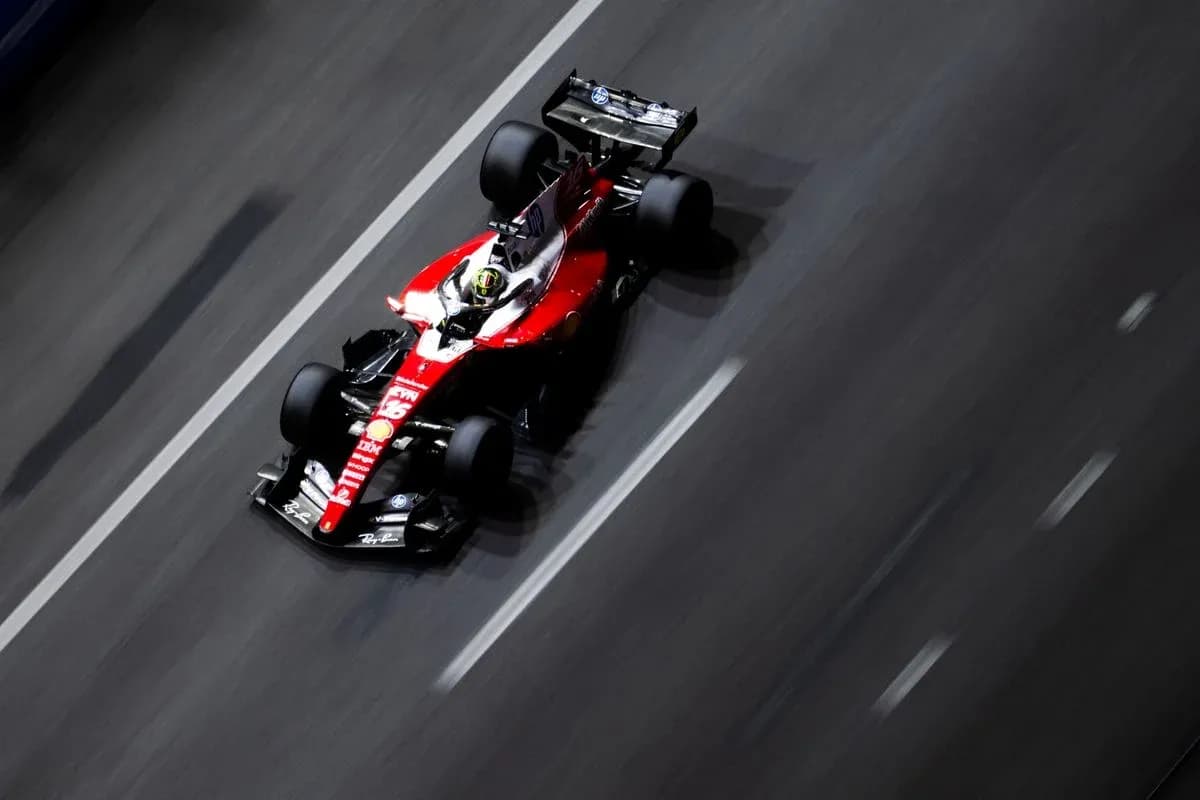
Ferrari arrived in Las Vegas expecting pain on the Strip’s endless straights. What it got was worse: its poorest qualifying of the season, and a night that laid bare every weakness the team has tried to hide.
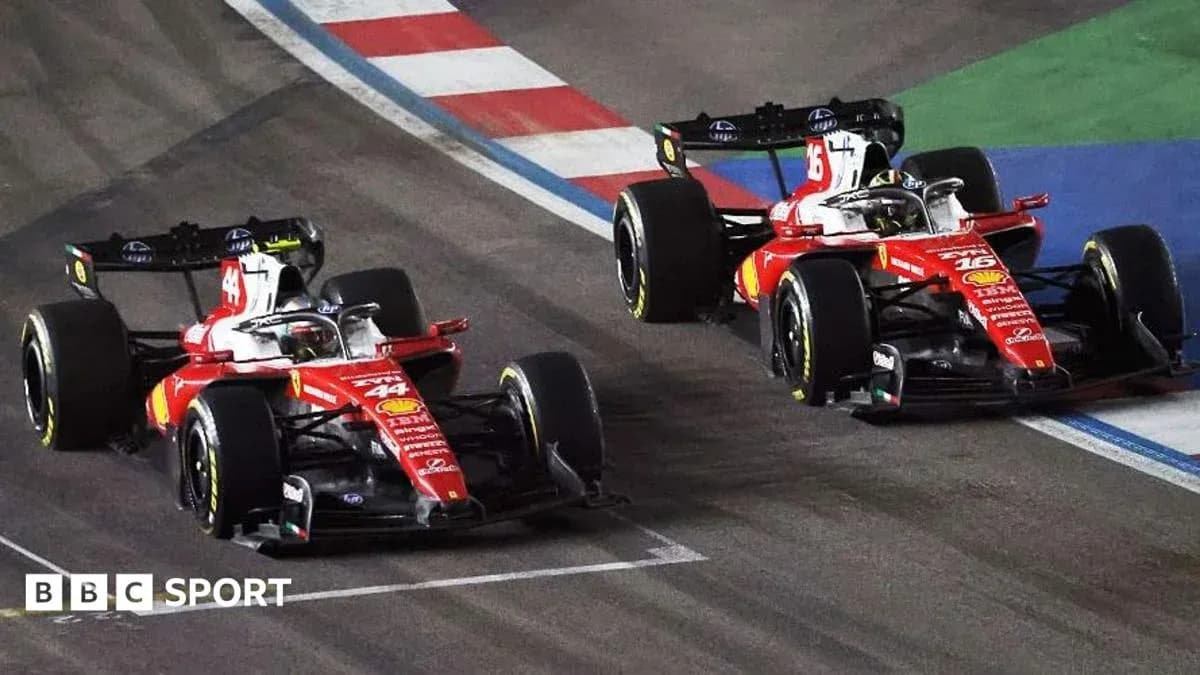
Neither car made it into Q3. On a power-sensitive street track where Ferrari knew it would suffer, that still stung.
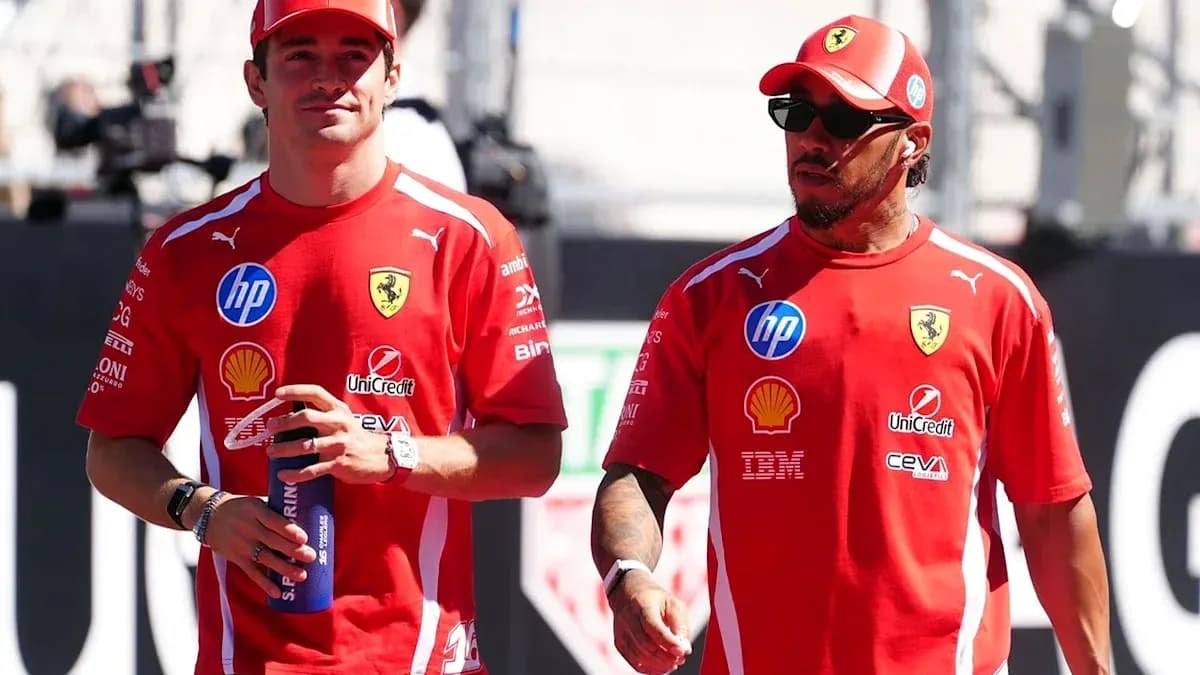
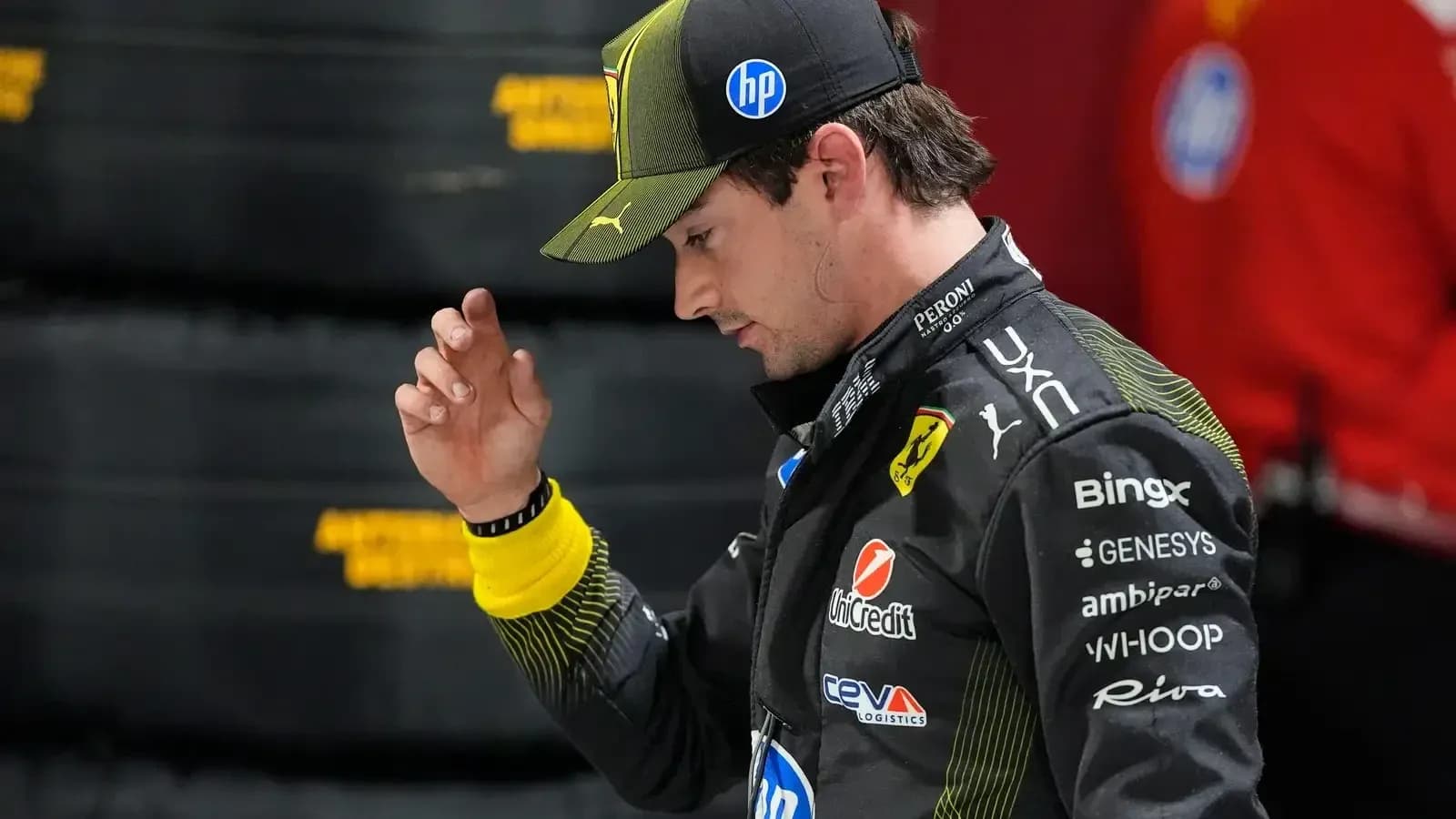
Charles Leclerc, usually the man who can drag a lap out of nowhere, climbed out of the car knowing he had thrown away his final shot. A mistake at Turn 7 forced him to abort his second Q2 run. He wound up 11th fastest, promoted to 10th only thanks to Oscar Piastri’s penalty.
The error was his. The frustration behind it was not.
A Boiling Point for Leclerc
Leclerc did not disguise how angry he was with how qualifying had been handled.
His Turn 7 mistake, he admitted, came after a build-up of irritation over traffic management and communication with the pit wall. On a night when tyres were everything, he felt he was doing too much of the work himself.
He found himself staring into his mirrors, trying to manage traffic alone instead of focusing on switching on the tyres. On this layout, that is fatal. The tyres need to be in a narrow operating window; miss it, and the lap is gone before the first split.
The cost of that misalignment was brutal. Ferrari’s long-standing power deficit was already leaving it exposed on the Strip. Add poor tyre preparation and messy traffic calls, and there was nowhere to hide.
Power Deficit Laid Bare
Ferrari knew the engine would be a problem here. Las Vegas is all about full throttle and drag efficiency, and the stopwatch confirmed their fears.
Leclerc spoke of losing around a second on the straights alone. A full second, just on the straights. On a qualifying lap at this level, that is not a gap, it is a chasm.
The team had expected a difficult evening. They still believed Q3 was achievable. Instead, they watched rivals with stronger power units and cleaner runs edge them out while their own drivers fought the car and the clock.
Tyres, once again, turned into a familiar Achilles’ heel. Ferrari’s recurring struggle to fire them up for a single lap left both cars on the back foot from the moment qualifying began.
Hamilton Caught in the Same Trap
Right behind Leclerc on the timesheets, Lewis Hamilton endured a similarly exasperating session. His car suffered deployment issues and picked up floor damage in Q1, costing him downforce and stability.
He spoke of losing several tenths from the missing piece of floor, the balance shifting and the car sliding more. Even then, he felt his final lap was strong. The numbers told a harsher story: around six tenths lost in deployment alone, on top of the aero hit.
The raw potential, he believed, was there for Q3. The reality was a car that never quite had the grip or the straight-line speed to turn that potential into a result.
Ferrari’s Strategic Call Under Scrutiny
As the session unfolded, another question emerged: had Ferrari misjudged the game on track?
While rivals hunted for slipstreams and tried to maximise the tow on the Strip, Ferrari stayed away from orchestrated drafting. The team prioritised tyre temperature above everything, convinced that for its car, keeping the rubber alive mattered more than a few tenths from a tow.
Leclerc said the slipstream approach was not even really on the table. With Ferrari’s sensitivity to tyre temperature, slowing down to position two cars perfectly risked dropping the tyres out of their window. For this car, that is a gamble that usually ends badly.
So Ferrari ran its own path, pushing even on cool-down laps just to hold onto tyre temperature. Others played the air game; Ferrari fought the thermometer.
On a night when the stopwatch showed a one-second deficit on the straights, that strategic stance will be debated hard.
Communication and GPS Questions
The execution issues did not stop with tyre prep and track position. Traffic management once again came under fire.
Leclerc pointed to communication problems in the heat of qualifying and raised the possibility that GPS issues, which had already affected practice, might have carried over into the session. If the positioning data was unreliable, it would help explain why the team struggled to guide him cleanly through traffic.
If the GPS glitches came from outside the team, Ferrari can file it under misfortune. If not, it is another self-inflicted wound on a night when the margin for error was already razor-thin.
What remains is a stark picture: a car lacking straight-line speed on the most power-sensitive circuit of the year, a tyre model that demands perfection to work over one lap, and a team that, in the key moments, could not knit all the details together.
Las Vegas was always going to hurt Ferrari. The way it unfolded will hurt even more.