Formula 1 to Bring Back V8 Engines in 2030
The scream is coming back.
Formula 1, a sport that has spent the past decade humming and whirring its way through the hybrid era, is preparing to bring back the full-throated roar of V8 engines from 2030 after a unanimous agreement in Las Vegas on Friday.
The decision, struck between the FIA, the 11 teams, Formula One Management and the power unit manufacturers, marks a dramatic pivot in philosophy. After years of intricate, ultra-complex V6 turbo-hybrids, the championship is steering back toward something rawer, louder, and, in the eyes of many, truer to its roots.
F1 last ran V8s between 2006 and 2013 before switching to the current hybrid formula. Since then, the sport has chased efficiency and electrification, but sacrificed some of the visceral impact that once defined a grand prix weekend. The soundtrack never quite recovered.
Now, the rulemakers want to change that.
FIA president Mohammed Ben Sulayem hailed the agreement as a reconnection with the series’ core identity, outlining a vision of “lighter, simpler and more affordable cars that put driver skill at the heart of the competition.” The World Motor Sport Council will convene next month in Shanghai to lay out the detailed framework and timeline for the V8 return, but the political heavy lifting has already been done. The key powerbrokers are aligned.
The mood in the paddock reflected that shift. As teams gathered ahead of Saturday night’s Las Vegas Grand Prix, the noise around the garages wasn’t just about set-ups and tyre choices; it was about the sound of the future.
McLaren CEO Zak Brown revealed an agreement had been reached “in principle,” and his choice of words said plenty about the atmosphere behind closed doors. The hard negotiations are over. What remains now are the formalities, the legal language, the “dotting the I’s and crossing the T’s,” as he put it. The direction of travel is clear.
The drivers, many of whom grew up idolising the screaming engines of the 2000s, have not been shy about where they stand.
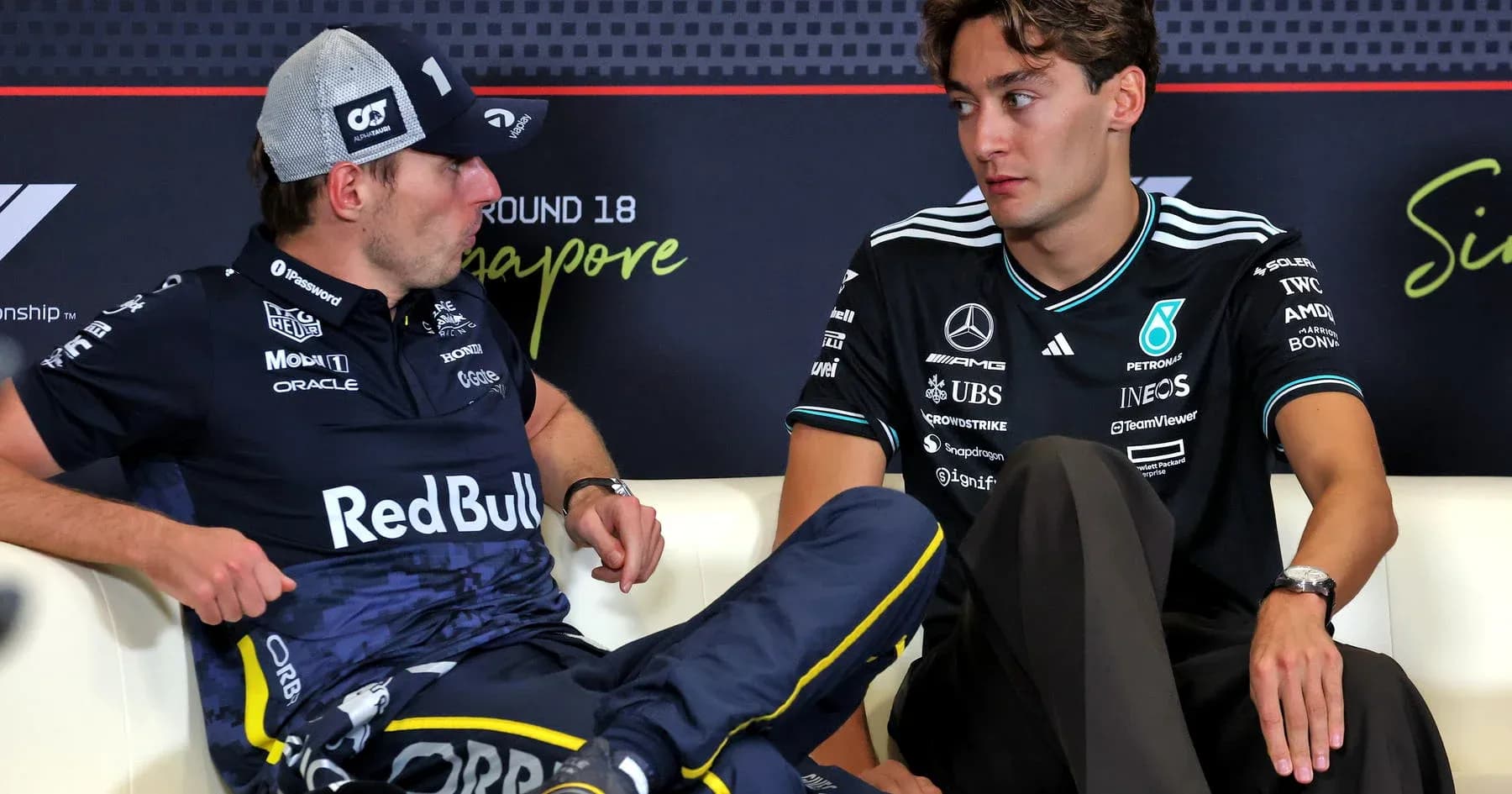
George Russell, fresh from leading Mercedes to the constructors’ title alongside Kimi Antonelli, did not bother to hide his enthusiasm. He spoke of watching old footage, of the high-pitched howl of the previous generation of engines, of goose bumps. For a driver raised in the hybrid age, that nostalgia carries weight. He knows the arguments from the purists who worry about losing electrical power, but he also knows how far modern technology has come. With today’s power outputs, he argued, Formula 1 will remain the fastest show on earth, even if the energy mix tilts back toward combustion.
That’s the crux of the new compromise: a return to emotional theatre without abandoning the performance benchmark that underpins F1’s prestige.
Even Max Verstappen, the dominant force of the current era and a vocal critic of some recent changes in the sport, welcomed the move. The four-time champion has been non-committal about his future beyond 2030, when his Red Bull contract expires. He did not suddenly pledge to extend his career just because of the engine news, but he did not need to. His verdict on the decision was blunt enough: the V8s are “better,” and for the sport itself, he called it “a good choice.”
That kind of endorsement matters. If the sport wants to keep its biggest stars engaged while attracting a new generation of fans, the sensory punch of a grand prix weekend becomes a powerful tool.
For now, the technical details remain under wraps. How much, if any, hybrid assistance will remain? How will F1 balance its public commitment to sustainability with a move that, at face value, looks like a throwback? Those questions will dominate the Shanghai meetings and the months that follow.
What is clear is the intent. Formula 1 has listened to its drivers, its teams, and a fanbase that has long pined for the sound that once made your chest vibrate on the main straight. The sport is betting that in 2030, as the lights go out and 20 cars launch toward Turn 1, the old roar will do what it always did: make everything else fade into the background.