Las Vegas Qualifying: Drama and Daring in the Rain
The rain finally eased in Las Vegas, but qualifying arrived like a cold slap in the face for anyone who hadn’t done their homework in the wet. With practice shredded by weather and track evolution, FP3 became a one-hour scramble for answers. Qualifying then exposed who truly understood this slippery, low‑grip street circuit – and who had been bluffing.
What followed was a night of big swings: a Ferrari implosion, a teenage masterclass from Kimi Antonelli, and a frustrated George Russell watching a golden chance slide away down the Strip.
Ferrari sink without a trace
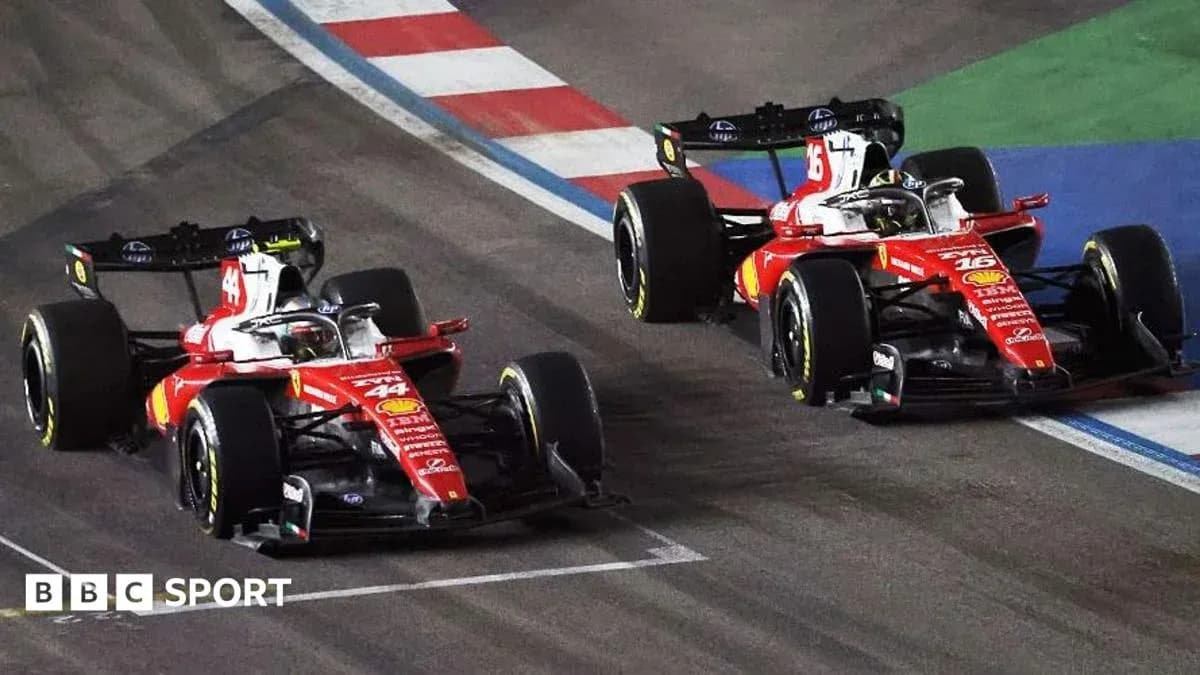
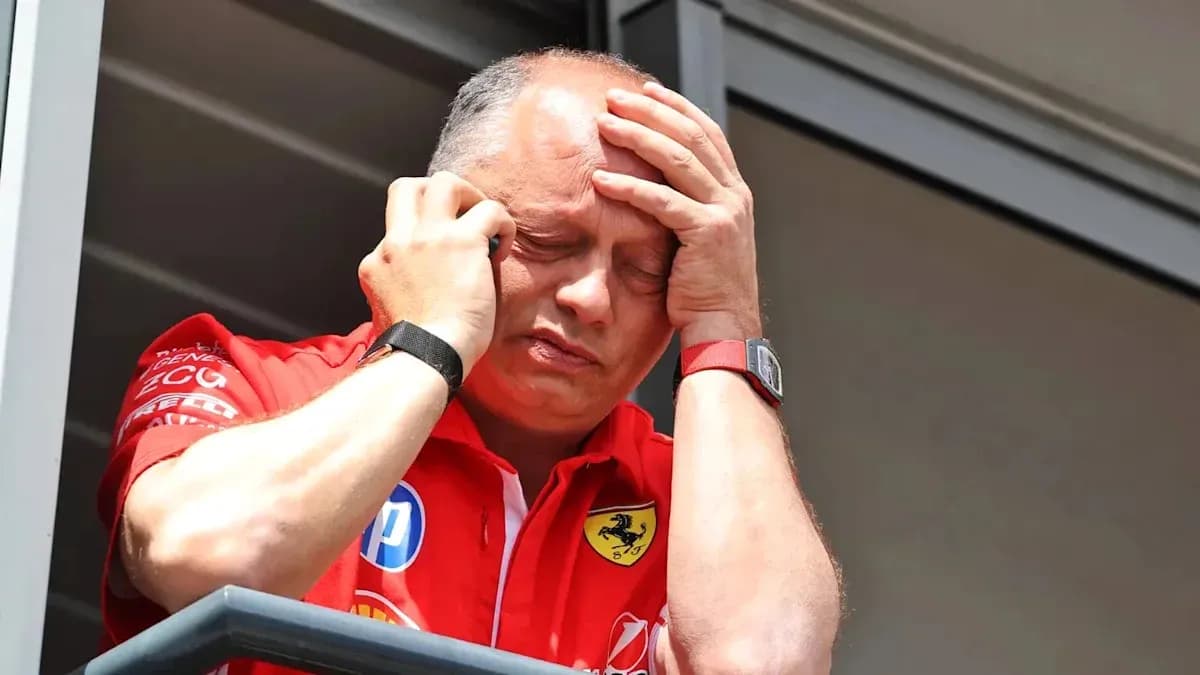
For Ferrari, this season has lurched between revival and relapse. This was one of the relapses.
Eleventh and 12th on the grid in Las Vegas – both cars out in Q2 – is the kind of result that gets remembered, and not fondly, even if this track is an oddball outlier.
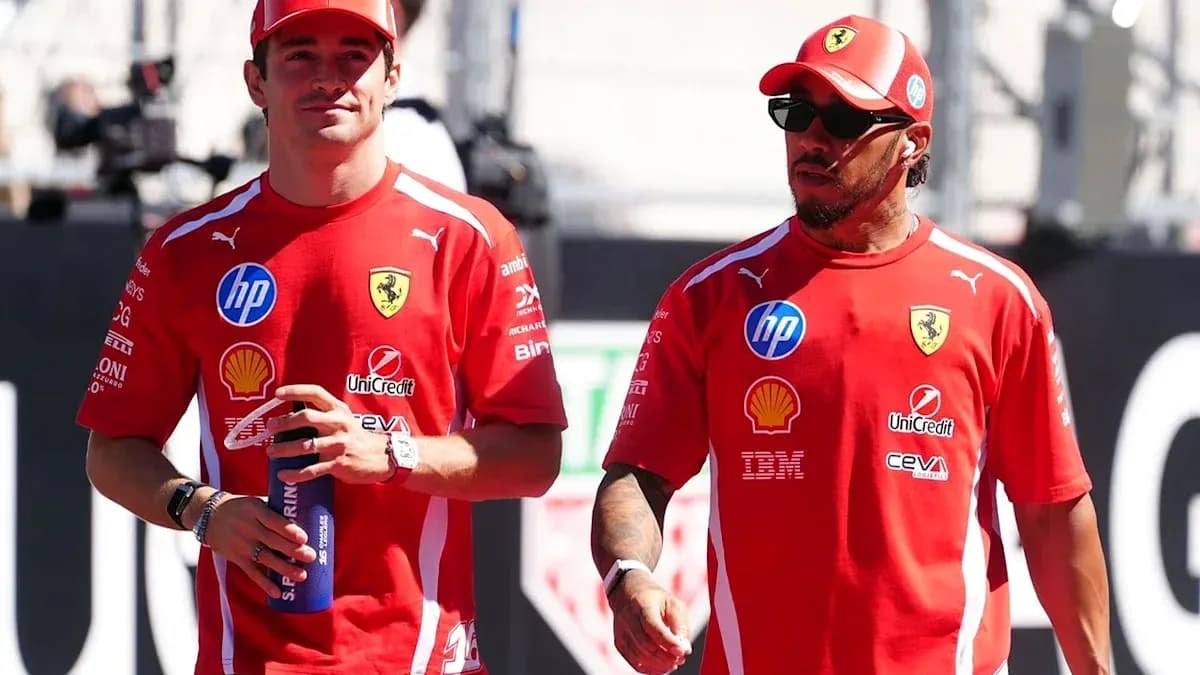
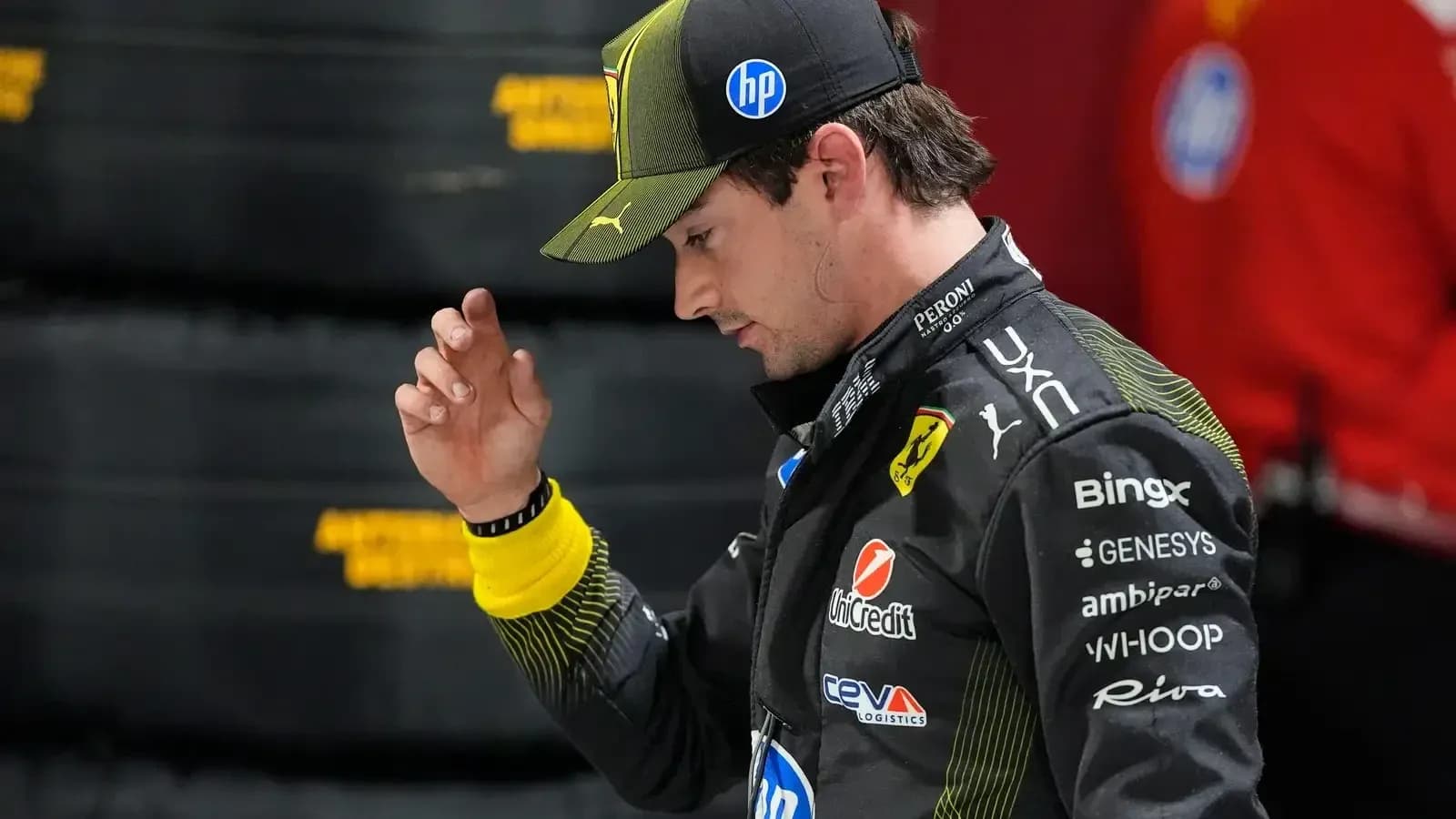
Charles Leclerc’s qualifying unravelled at Turn 7. Pushing to salvage something from a messy session, he overstepped, made the error, and never got a second proper lap in. It wasn’t just a driving mistake; it was the snap of a driver whose patience had been worn thin.
He pointed straight at the build-up: frustration over traffic management, a suspected GPS issue that had already bitten in FP3, and the constant battle to coax life into the tyres. Leclerc called tyre warm‑up Ferrari’s “weakness”. Vegas, with its long straights and cool conditions, exposed it mercilessly.
On the other side of the garage, Lewis Hamilton never looked truly at ease once the serious running began. He talked about a “big chunk on the straights”, a car that never felt like it had much grip, and tyres that stubbornly refused to switch on. “We were just kind of nowhere,” he said, and the lap times backed him up.
The team insisted his last lap was “very, very good”. The problem is that even a very good lap couldn’t drag the car any higher than the midfield. Hamilton also had tangible reasons to feel aggrieved: he lost a piece of floor in Q1, which he reckoned cost “three or four tenths” in downforce alone, and he complained of a deployment issue that blunted his final Q2 effort.
The combination of operational missteps, fragile tyre behaviour and plain bad luck left Ferrari exactly where they fear most: stuck in the pack, staring at a long night of damage limitation.
Antonelli gambles on the edge – and wins big
Kimi Antonelli’s Q3 lap was pure Vegas.
He rolled the dice at Turn 5, backed off, and deliberately dropped to the back of the queue. On a circuit where timing the tow is everything, it was a bold call. A couple of seconds’ hesitation and he wouldn’t have even started the lap.
Instead, he threaded the needle.
He crossed the line with barely any margin to spare and found himself in the sweet spot: last in the train, maximum slipstream, nothing to lose. What followed was a lap that rode the ragged edge of risk and reward, a multi‑car tow dragging him down the Strip and onto the top of the timesheets.
Fastest in qualifying, despite a five‑place grid penalty hanging over him for an engine change. It didn’t erase the sanction, but it blunted it brilliantly.
Was there some fortune in the timing? Absolutely. But it also summed up Antonelli’s season. Again and again, he’s walked right up to the brink of disaster and then used that proximity to crush the opposition. He doesn’t flinch. He leans in.
He’ll start sixth, not first. Even so, with his race craft and this car under him, who really wants to bet against him muscling his way into a fight with Max Verstappen and George Russell before the lights of the Strip have lost their shine?
Russell left stewing over a missed chance
On paper, George Russell moves up to the front row thanks to Antonelli’s penalty. In his head, though, this will feel like the one that got away.
He had looked untouchable in FP3, ending that session nine tenths clear of the field. On a weekend where everyone else was still chasing the set‑up, Russell seemed to have cracked it early. Qualifying should have been the coronation.
Instead, his Q3 lap ended up slower than his FP3 benchmark. The missing ingredient? The tow he’d wanted and never got.
On a layout like this, the slipstream can be worth chunks of time. Russell knew it, asked for it, and then watched as the strategy call went against him. He kept his frustration largely in check in the press conference, saying only that “we’ll take it offline, and we can talk about it”, but the irritation bled through.
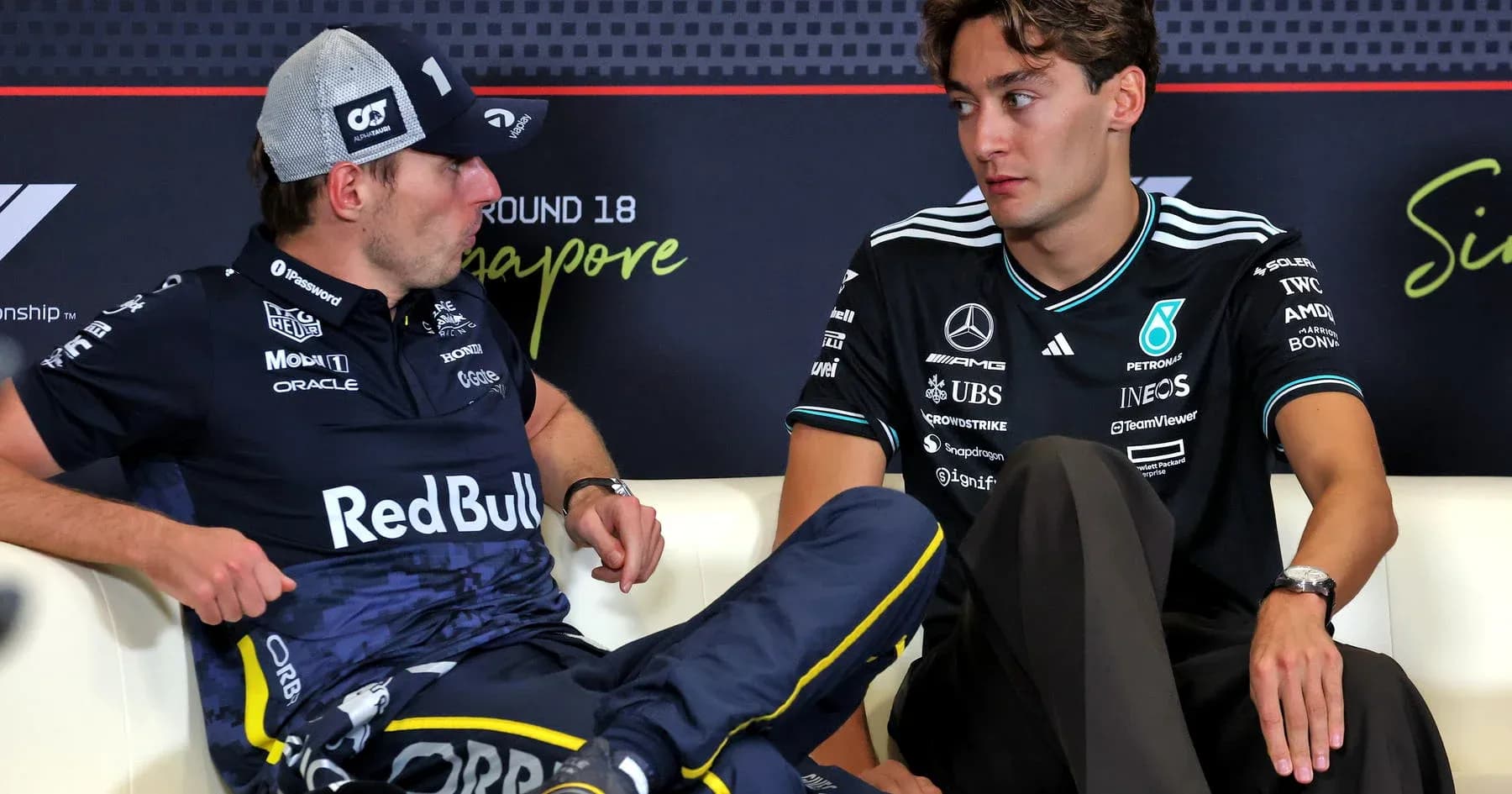
The sting was sharpened by who beat him. The driver inheriting pole – once Antonelli’s penalty kicks in – is the same one who has repeatedly needled him this season. Another night, another flashpoint in a rivalry that refuses to cool.
Russell has track position for the race. What he doesn’t have is the satisfaction of knowing he maximised a car that, for once, looked good enough to dominate.
Verstappen lurks, issues and all
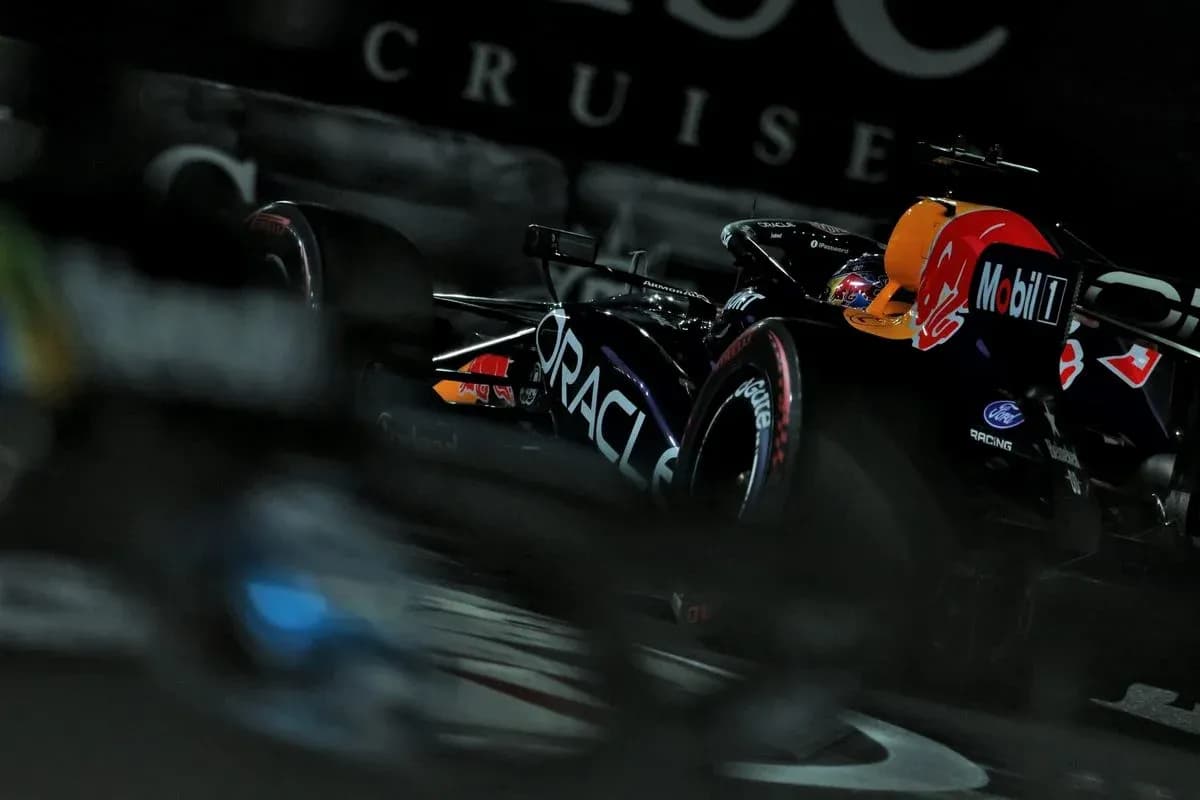
Max Verstappen didn’t top the times, but he did what Verstappen does: he put himself in exactly the place he needed to be.
He reported “some weird issues” with his Red Bull, an echo of the gremlins that disrupted him in Austin. The team didn’t fully exorcise them here, yet he still ended up as the quickest of the unpenalised drivers.
There was no sense of panic, only curiosity about whether those problems will flare again over a race distance. If they don’t, the grid has a familiar problem on its hands. If they do, we might finally see someone sustain a real fight with him in open air.
Either way, Verstappen is perfectly placed to chase a fourth win in six races and, intriguingly, to continue shaping the narrative as Antonelli’s looming benchmark for 2027.
Alpine promise fizzles at the wrong moment
For a fleeting moment in Q2, Alpine dared to dream.
Pierre Gasly stuck in an eye‑catching second place in that segment, the kind of lap that inevitably brings back memories of his Monza heroics and raises the question: could he take a swing at pole again?
Reality bit in Q3.
The prep lap went wrong, the tyres arrived at Turn 1 half‑asleep, and Gasly admitted he bled “two, three tenths” in the first sector alone. On a lap this short and this sensitive to rhythm, that was that. The chance evaporated before he’d even hit his stride.
Had he simply repeated his Q2 time, he’d have ended up fifth in Q3 – and, with Antonelli’s penalty, fourth on the grid. Instead, he starts behind both Racing Bulls and ahead only of his own team‑mate.
Franco Colapinto, for his part, flirted with disaster and got away with it, brushing the wall without serious consequence. It was a lucky escape on a night when Alpine needed precision, not drama.
Ninth and 10th felt like a deflation, a snapshot of their season-long chase of Racing Bulls: flashes of speed, squandered by small but costly execution errors when the stakes spike.
Lindblad shines in the chaos
Amid the noise and the misfires, Arvid Lindblad quietly produced his best qualifying of the year – then got an extra reward from Antonelli’s penalty. Sixth on the timesheets becomes fifth on the grid.
He has been knocking on this door for a while. Strong laps, especially in recent races, have gone unseen on the results sheet thanks to circumstances outside his control. This time, the headline finally matches the underlying form.
What makes this performance more impressive is that Lindblad himself didn’t think the lap was particularly special. He spoke of tyres that never really switched on, heavy understeer, and a mistake at Turn 8. Hardly the language of a driver basking in perfection.
Yet even in those conditions, he delivered.
Liam Lawson will line up two places further back, the Racing Bulls pair again outqualifying the two Alpine drivers in a duel that could decide fifth in the constructors’ championship. Lawson helped Lindblad with a tow in Q2 – “not entirely needed, but grateful,” was Lindblad’s assessment – underlining a partnership that, for now, is pulling in the same direction.
Haas’s plan unravels before it starts
Haas arrived on Friday with a clear, pragmatic plan. Get both cars into Q2. Use a heavily penalised Ollie Bearman as a rolling tow to sling Rafael Camara up the order. Play the team game, squeeze every last drop from a tricky weekend.
Then the dry running started, the slicks went on, and reality landed with a thud.
“Unfortunately, we weren’t quick enough. We showed that in FP3,” Bearman admitted. From there, his role shifted: forget his own lap, sacrifice his session to help Camara. He never even set a representative time, instead dedicating himself to towing his team‑mate.
Even that wasn’t enough.
Camara could only drag the car to 17th, praising Bearman for doing “an amazing job” and insisting he “couldn’t ask for more” from the other side of the garage. The problem wasn’t effort. It was raw pace.
For a team that had hoped to use strategy and teamwork to punch above its weight, failing to get even one car into Q2 on a night like this underlined just how unforgiving the midfield has become.
Las Vegas qualifying left its mark. Ferrari bruised, Russell brooding, Alpine deflated. Antonelli, still a teenager, walked the tightrope and came away with the lap of the night, while Verstappen sat quietly in the shadows, close enough to strike.
Under the neon glare and the casino slogans, one question now hangs over the Strip: when the lights go out, will the daring finally be rewarded, or will the old order reassert itself over 50 laps of risk, reward and regret?