Liam Lawson's Challenging Night in Las Vegas
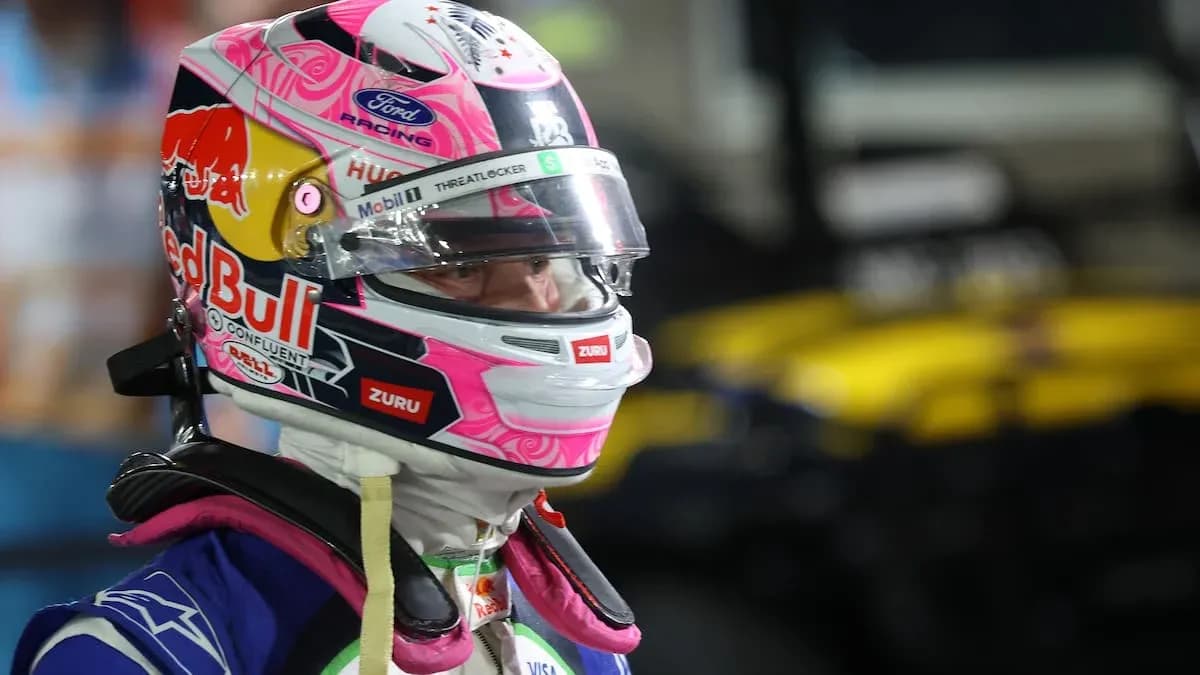
Liam Lawson’s night in Las Vegas was wrecked before it even began.
His car wasn’t ready when the lights went out. By the time he finally joined the race, a full lap had already been completed. In a field this tight, that’s not a setback – it’s a sentence. Any realistic hope of points vanished with that delay.
From there, Lawson’s entire race hinged on chaos. He needed safety cars, and not just one. He needed the field compressed, strategy flipped on its head, and a bit of Vegas luck to drag him back into contention.
He got a glimmer of it.
Around 17 laps in, Haas rookie Rafael Camara tangled with Cadillac’s Sergio Perez, sending Perez into the wall and triggering the safety car Lawson had been praying for. While the marshals cleared the wreckage, the pack bunched up and the race reset – for most of the grid, anyway.
For Racing Bulls, the night somehow found a way to get worse.
Arvid Lindblad, so impressive early and running as high as third, looked on course for a breakthrough result. Then, while warming his tyres after a pit stop, he spun. No contact, no dramatic duel – just a rookie mistake at the worst possible moment. His race was over on the spot, and with it went Racing Bulls’ best chance of salvaging something from the weekend.
Under that same safety car, Lawson finally managed to unlap himself. Technically, he was back in the game. In reality, half the race had already gone and he was staring at a mountain with no rope. Every point now depended on a charge from the rear and a second intervention from the stewards’ car.
He attacked anyway.
Lawson carved into the backmarkers, later joined in the traffic by Red Bull’s Isack Hadjar, whose own race had been compromised by front-wing damage and a forced change. The two of them began picking off the tail-enders, making up places but not time. Without another safety car, it was all uphill running on ice.
The race kept threatening to explode. It never quite did.
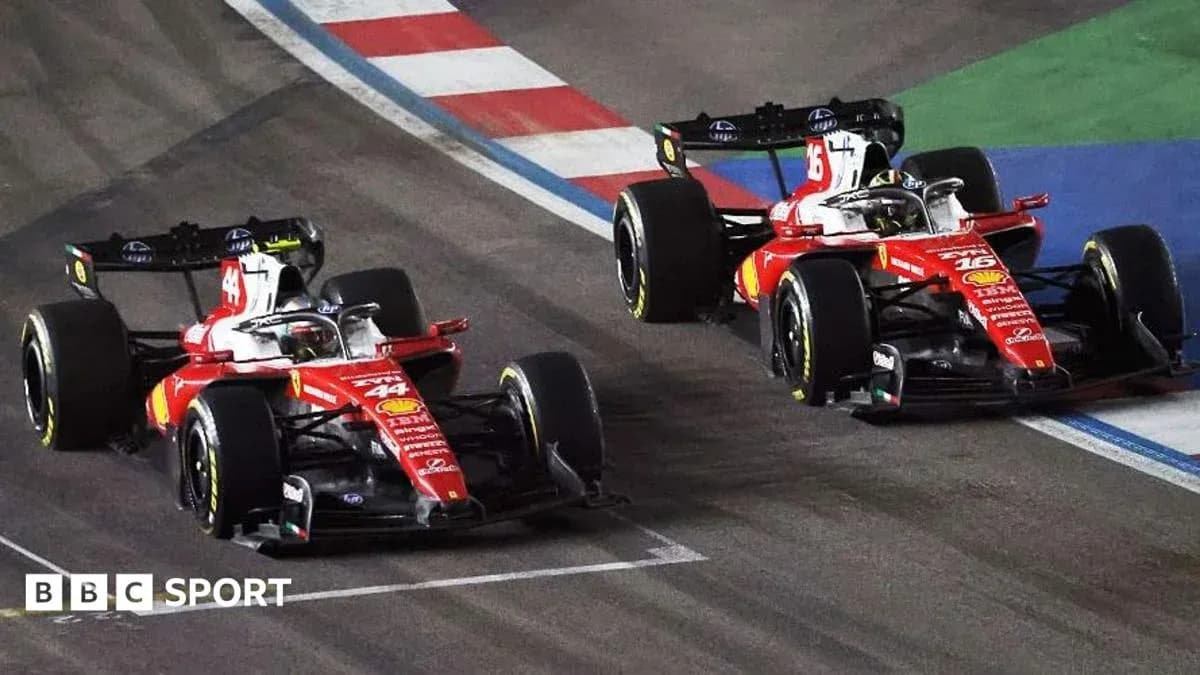
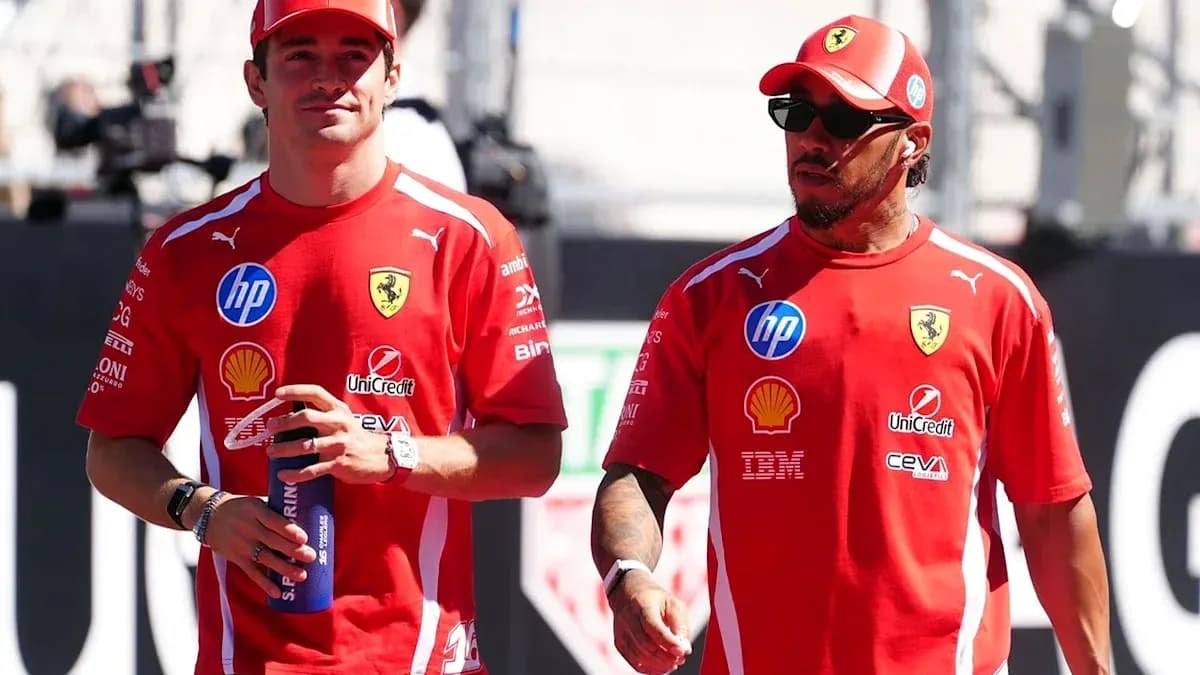
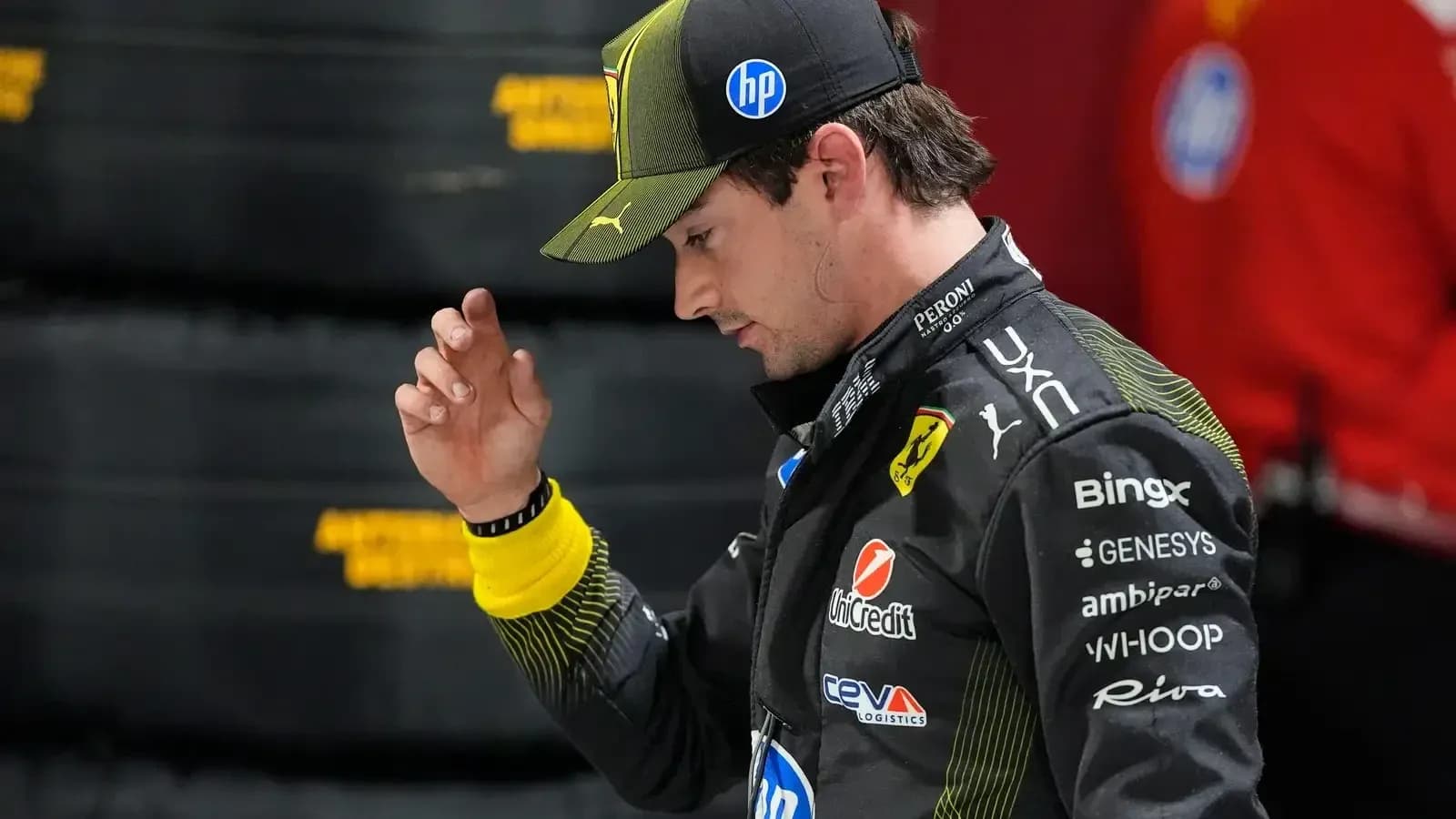
Ferrari teammates Charles Leclerc and Lewis Hamilton clashed while fighting each other, Hamilton spinning but managing to keep his car out of the barriers and in the race. Leclerc wasn’t so fortunate in the stewards’ room, slapped with a 10-second time penalty that wrecked his hopes of a big result.
Then came the late drama at the front.
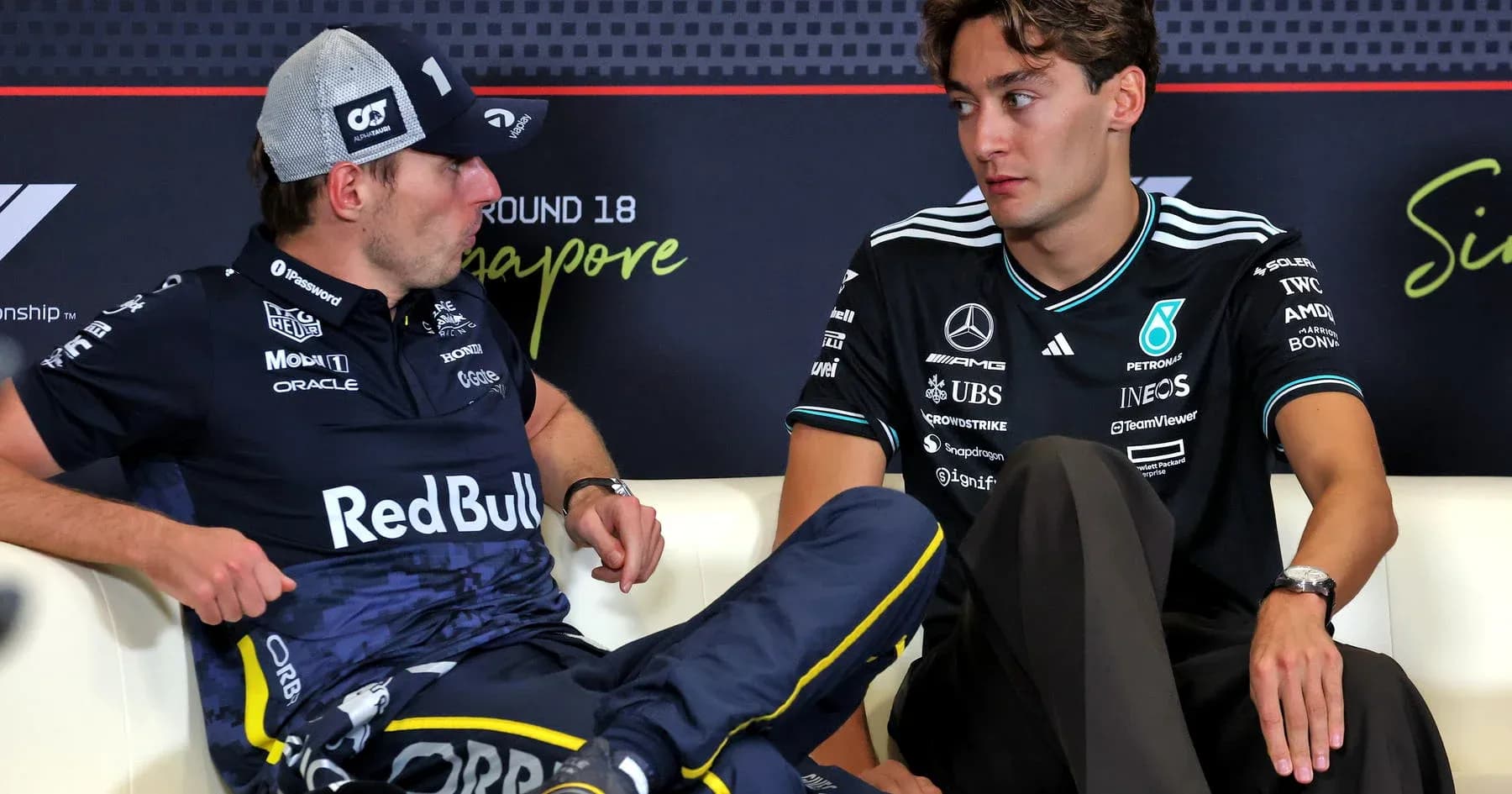
With three laps to go, George Russell lunged at Mercedes teammate Kimi Antonelli as both hunted Max Verstappen for the win. Russell locked up, slid straight into the barriers, and though he was able to continue, any hope of a podium disappeared on impact. He limped home ninth, the kind of result that feels far worse than the points suggest.
Up front, Verstappen did what Verstappen does. Starting from pole, he had to absorb pressure, lose the lead, win it back, and ride out multiple swings of momentum in a race that refused to settle. Lando Norris hounded him to the line for McLaren, finishing about a second behind, while Oscar Piastri produced the standout drive of the night – from 17th on the grid to the podium in third, a ruthless climb through the chaos.
From the first lap to the last, the lead changed hands and the tension never dropped. Yet every twist seemed to cut against Lawson and Racing Bulls.
Their misery was compounded by what unfolded in the midfield. Alpine, their direct rival for fifth in the constructors’ championship, walked away from Las Vegas with exactly what Racing Bulls needed: a heavy haul of points. Pierre Gasly finished fifth, Franco Colapinto sixth, banking 18 points between them.
Racing Bulls? Nothing.
They arrived in Vegas 45 points clear of Alpine in that fight for fifth. They leave with the gap slashed and the momentum swinging sharply away from them, their rookie hope in the wall, their lead driver never truly in the race.
In a season decided by fine margins and brutal swings, this wasn’t just a bad night in the desert. It was the kind of grand prix that can tilt an entire constructors’ battle on its axis.