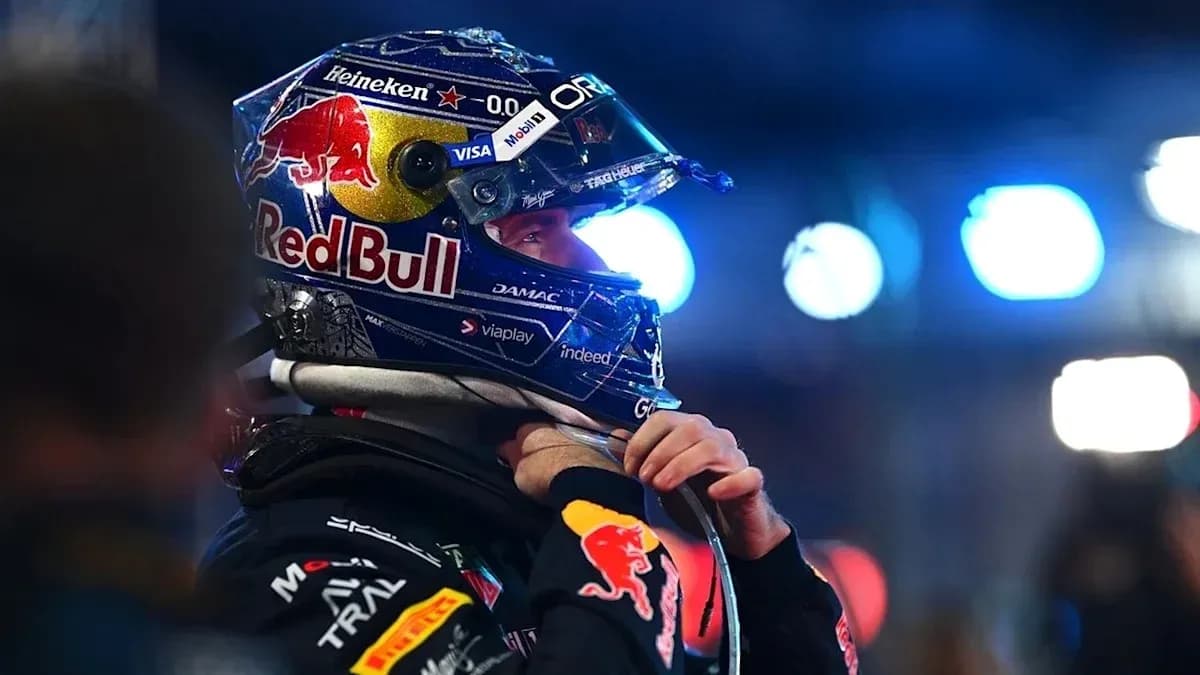
Max Verstappen Prepares for Qatar Grand Prix Without Key Engineer
Max Verstappen heads into the Qatar Grand Prix without the voice that has guided him through the bulk of his Formula 1 dominance.
Gianpiero Lambiase, Verstappen’s long-time race engineer and on‑air confidant, will miss this weekend’s action at the Lusail International Circuit due to personal circumstances. Red Bull confirmed he is expected to return in Abu Dhabi, if those circumstances allow, but for now the World Champion will continue to build a new rhythm with Tom Hart on the other end of the radio.
A changing of the guard
This isn’t a sudden shake-up. Red Bull had already started to phase in a rotation system for the latter part of the season, giving Hart valuable race‑weekend mileage as Verstappen’s engineer while Lambiase combined his trackside duties with his role as head of racing.
The original plan was clear: Lambiase would handle the final two grands prix as Verstappen’s engineer, with Hart shadowing and settling into the role. Qatar has forced a tweak. Lambiase stays home, Hart steps fully into the spotlight again.
Behind it all sits the looming 2027 reshuffle. Lambiase is expected to go on gardening leave that year ahead of a move to McLaren. Red Bull has not formally announced the switch, but the direction of travel is obvious. Hart is widely seen as Verstappen’s long‑term engineer, potentially from the start of the 2027 season.
That outcome was far from guaranteed. Hart, a Red Bull stalwart since 2013, had been on course to leave Milton Keynes for Grove. He was due to join Williams as Alexander Albon’s race engineer, a solid next step in a growing career. Then Verstappen made his preference clear internally: he wanted Hart as Lambiase’s successor. Red Bull moved quickly and managed to reverse Hart’s planned departure.
Early turbulence, growing trust
The handover has not been smooth on every lap. Hart’s first races working with the four‑time world champion have already tested the partnership.
In Austin, technical problems hit the radio connection, cutting into the clarity Verstappen has long enjoyed with Lambiase. In Brazil, Verstappen repeatedly complained about a strange feeling in the RB22 after his opening stint, a niggle that demanded rapid diagnosis between driver, engineer and garage.
Las Vegas then delivered chaos of a different kind. The race itself turned wild, but the Verstappen‑Hart dialogue sounded sharper, more instinctive. The noise of a new relationship started to resemble something closer to a familiar language.
Verstappen has spoken positively about Hart, saying the engineer has made a “good impression” despite the early issues. Coming from a driver known for his blunt assessments over team radio, that matters.
Mastering the new energy game
Vegas also showcased another side of Verstappen’s evolution: his command of Formula 1’s energy management era.
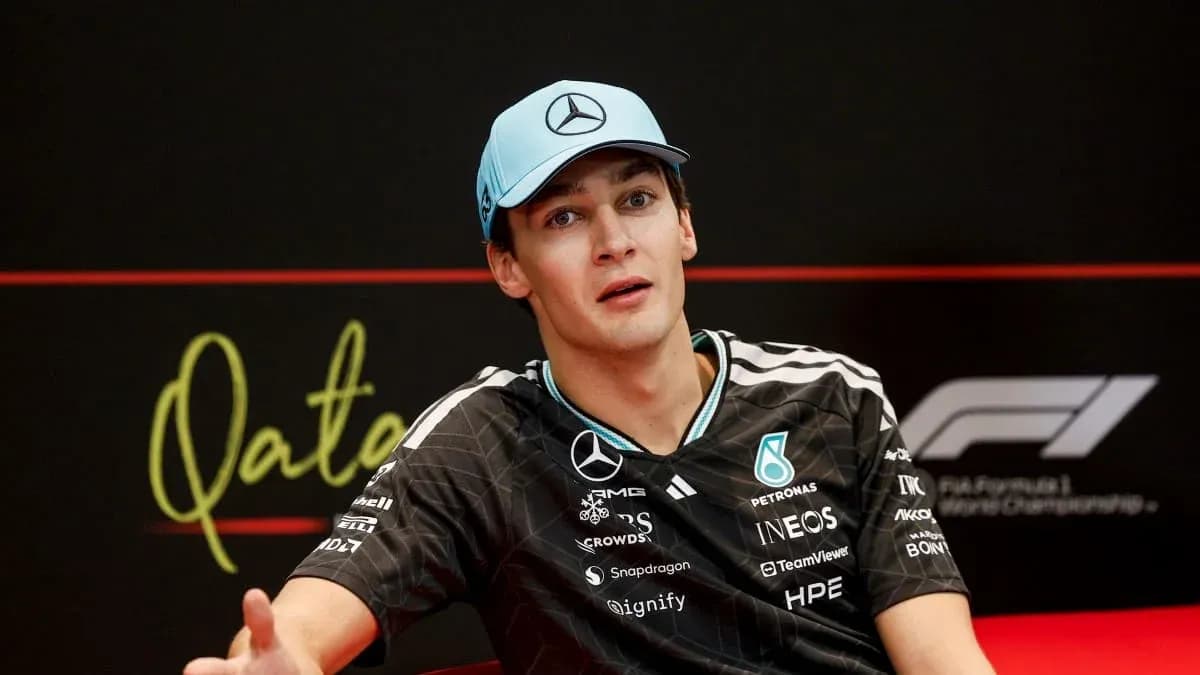
On a circuit that looked, on paper, like a trap for Red Bull’s DM01 power unit, Verstappen turned the race into a tactical duel. Red Bull team principal Laurent Mekies praised him for “outsmarting” Mercedes, particularly in his battle with George Russell. Verstappen repeatedly lost and then regained track position, using deployment and battery management as weapons rather than constraints.
It underlined two things. First, Red Bull has clearly moved the DM01 forward on energy‑poor circuits, where recovery opportunities are limited and efficiency becomes king. Second, Verstappen himself has learned how to play with the tools at his disposal far better than at the start of the season.
“I think we all got better at it, drivers and teams, in understanding the energy management, but that's normal when it's a new regulation,” Verstappen said in Qatar when asked what steps he had taken behind the scenes.
He looked back at Melbourne, the season opener, as a marker of that progress.
“When you look at the first race weekend, I think if we go back, you would do things differently. It would also be bad if you go back and you wouldn't know what to do differently, so it's just normal progression, I would say.”
The message is simple: the learning curve has been steep, and Verstappen is climbing it faster than most.
Qatar: a different kind of test
Las Vegas flattered the RB22. Long straights, heavy braking, and a layout that rewarded traction and top speed played into Red Bull’s hands. Qatar is another story entirely.
The Lusail International Circuit is dominated by high‑speed corners, the sort of sustained‑load, aero‑sensitive sections where Verstappen admits Red Bull has not always looked particularly strong this year. Here, balance, tyre management and confidence through fast sweeps matter more than drag efficiency and straight‑line punch.
That sets up a different kind of examination for both driver and team. Verstappen will lean heavily on Hart as they chase the sweet spot in setup across practice, qualifying and the race, without the guiding presence of Lambiase on the pit wall.
Inside the garage, though, there is growing belief that Red Bull now carries a competitive baseline everywhere. Team‑mate Isack Hadjar has pointed to the successful upgrade introduced in Baku as the turning point, arguing that the car should now be in the fight on any type of circuit.
If that proves true at Lusail, Verstappen’s weekend will not just be a test of Red Bull’s high‑speed credentials. It will also be another step in the quiet but crucial transition from one of Formula 1’s great driver‑engineer partnerships to the next.