New Faces Shine in Australian Cricket Amid Sandpapergate Fallout
Two new caps, one old scandal, and a summer of Australian cricket trying to breathe through the noise.
New Faces Under the Lights
Australia will unveil two fresh T20I cricketers tonight, with Sam Harper and Lachlan Shaw stepping onto the international stage for the first time.
Harper, a familiar name to Big Bash followers, finally gets his chance in national colours. A top-order batter and wicketkeeper by trade, he will take the gloves this evening, his T20 international cap handed to him by none other than Adam Gilchrist. For any Australian keeper, that’s not just a presentation, it’s a passing of the torch.
Shaw’s path is different, and so is his role. A middle-order batter and wicketkeeper, he enters a crowded, high-pressure space in modern T20 cricket, where innings can flip in a handful of balls and mistakes are rarely forgiven. Aaron Finch presented his cap, another nod to the standards expected in this side.
Mitch Marsh leads Australia, with Jake Fraser-McGurk, Nikhil Chaudhary, Tim David and Jack Edwards among the batting options, while Adam Zampa and Riley Meredith headline the attack. It’s a team that blends raw excitement with hardened T20 experience.
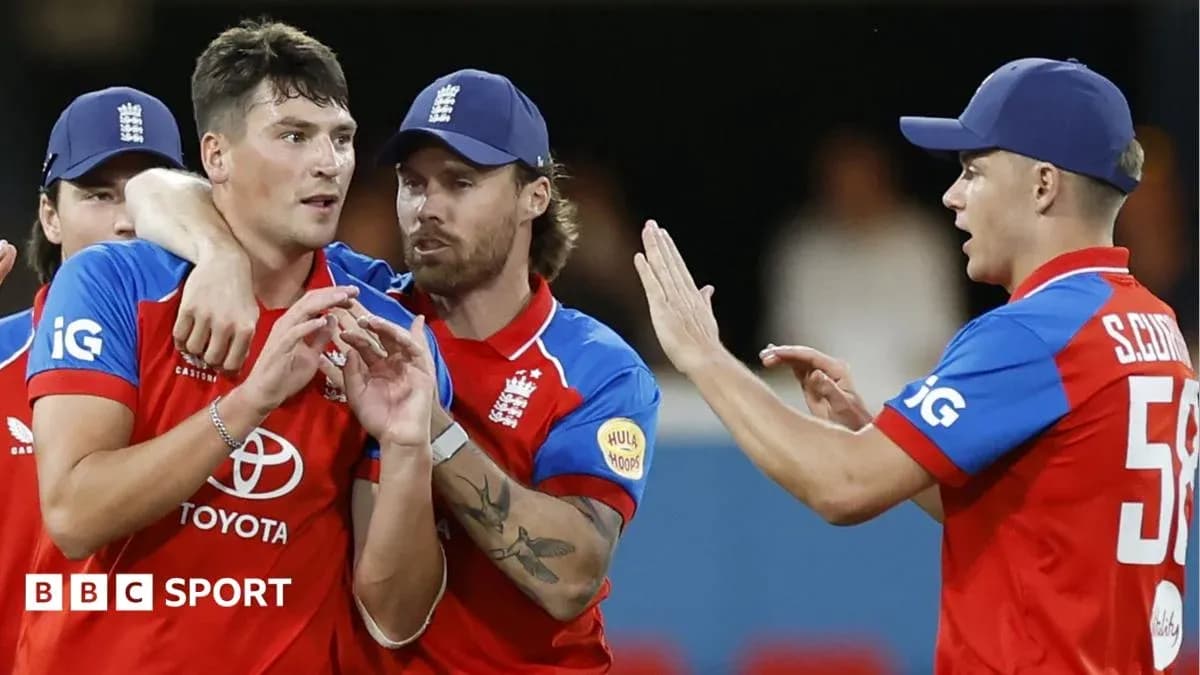
England, too, will introduce a new face to the format. Henry Crocombe, a right-arm quick who has already played two ODIs, makes his T20I debut. He joins a side captained by Harry Brook and stacked with white-ball firepower: Phil Salt at the top, Tom Banton and Jordan Cox in the middle, Sam Curran and Will Jacks in that dangerous all-rounder band, with Adil Rashid offering his familiar control and guile.
The spotlight tonight will sit on the debutants. One loose over, one sharp stumping, one nervy first ball – it all gets magnified on debut. But this week in Australian cricket, they’re not the only ones under the glare.
Shield Match Drowned in Sandpapergate Echoes
Back home, a Sheffield Shield fixture at the SCG between New South Wales and Queensland, usually a quiet, hard-nosed red-ball contest, is bracing for an unusual kind of attention.
The match should be about batting time, working over top orders, and young players pushing for higher honours. Instead, a media circus threatens to wrap itself around the ground, drawn not by form or selection battles, but by the lingering fallout from the Sandpapergate scandal that continues to grip Australian cricket.
Cricket Australia would normally welcome extra eyes on the Shield. Not like this. Not with the narrative still anchored to a 2018 ball-tampering saga that refuses to loosen its hold on the sport’s image and its biggest names.
The SCG will host a domestic game. The conversation around it will be anything but domestic.
Warner and Khawaja Sidelined from the Studio
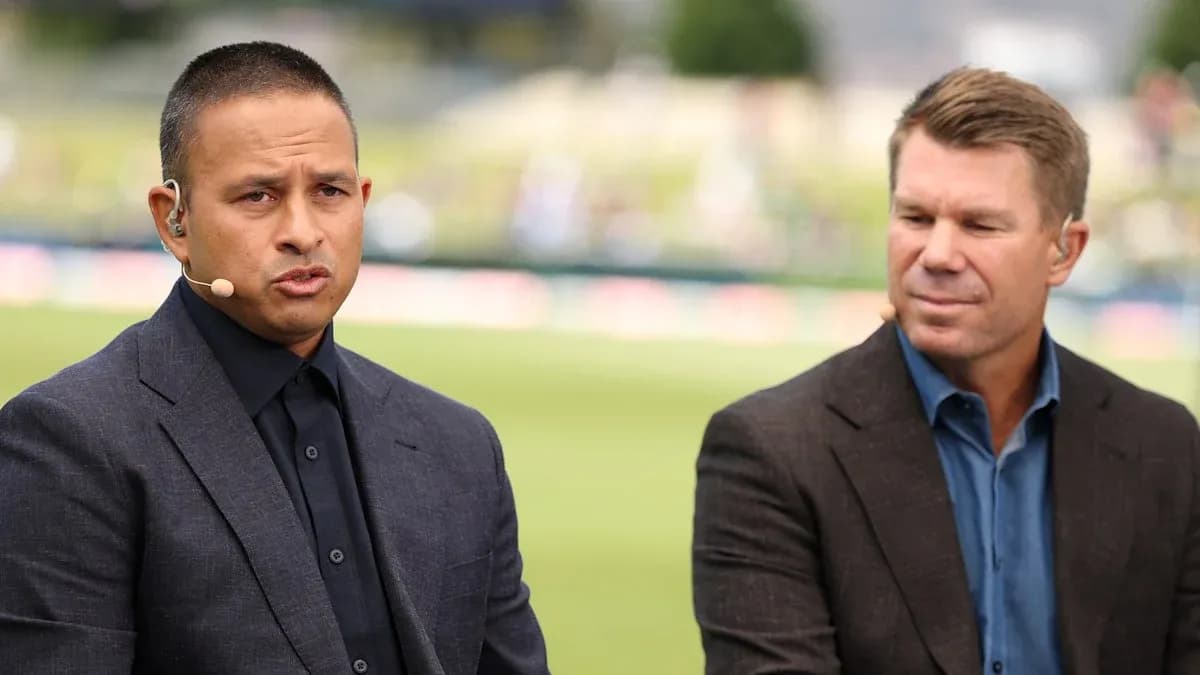
The ripples have reached the broadcasters. Fox Sports has moved to temporarily withdraw David Warner and Usman Khawaja from its coverage as the sandpaper storm intensifies.
In a statement to nine.com.au, Fox Sports managing director Steve Crawley confirmed the decision, framing it as a protective measure for both players and the broadcast.
“In light of recent events both Usman and Davey will be rested from our broadcasts over the next few weeks,” Crawley said.
He stressed that Fox values the range of voices on its commentary team and the debate that comes with it, but acknowledged the relentless scrutiny now attached to any word from figures linked, directly or indirectly, to the scandal. Every fresh headline drags them back into the frame.
Crawley noted that the ongoing situation makes it harder for Warner and Khawaja to simply talk cricket. Each stint behind the microphone risks becoming another referendum on Sandpapergate, not a discussion of swing, spin, or selection. Fox, he said, wants to avoid placing them in that position while still trying to deliver what it calls the best possible coverage of Australia’s summer.
The network will keep reviewing the situation. For now, two of the most recognisable modern Australian cricketers step away from the cameras, just as two newcomers step into the international arena.
Different stages. Same sport. And a lingering question: how long will Australian cricket’s present be forced to play in the shadow of its past?