PCB Overhauls Contract Model: Rizwan Omitted from New Format-Based System
The Pakistan Cricket Board has torn up its traditional central contracts model and moved decisively to a format-based system, in a sweeping reshuffle that runs until June 30, 2027 – and leaves Mohammad Rizwan on the outside looking in.
Thirty-eight players have been handed deals under the new structure, which abandons last year’s simple Category B-to-D ladder and instead pins value to formats. Nineteen of those 38 sit in a Development bracket, a clear nod to succession planning in a side that has lurched between rebuild and reset for much of the past two years.
Babar carries the red-ball flag
At the top of the tree, the message is blunt: Test cricket still matters.
Babar Azam, Pakistan’s Test captain, is one of only two players to receive dual-format contracts – Test and ODI – alongside former T20I skipper Salman Agha. Their pairing underlines who the PCB sees as central to the longer formats in the next cycle.
Four others have been locked into red-ball-only roles: Mohammad Abbas, Azan Awais, Sajid Khan and Saud Shakeel. They are being backed as specialists, not squad fillers.
The striking detail? Not a single Pakistan player has been given a contract across all three formats. In an era of workload talk and franchise temptations, the PCB has drawn a hard line: pick your lanes, and excel in them.
Split leadership, split contracts
White-ball leadership has been carved up, and the contracts follow that split.
ODI captain Shaheen Shah Afridi has been awarded deals for ODIs and T20Is, fitting his status as Pakistan’s spearhead with the white ball. T20I captain Sahibzada Farhan, by contrast, has been tied solely to the T20I format, underlining his role as a short-form specialist rather than an all-format pillar.
A clutch of fresh faces, many of them still finding their feet at international level, have been pushed into the Development category. Recent Test debutants Razaullah, Tayyab Arif, Mohammad Taha, Ghazi Ghori and Saqib Khan all feature there, the PCB effectively ring-fencing a generation it wants to groom rather than discard after a series or two.
Rizwan left out in cold
The loudest noise, though, comes from a name missing entirely.
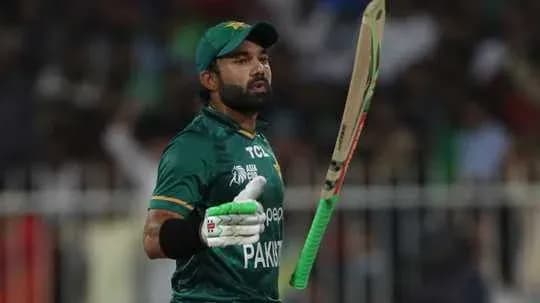
Mohammad Rizwan, once a fixture across formats and a Category B contracted player last year, has not been offered any deal. His omission arrives after a turbulent spell off the field, including controversies during the recent tour of England that ended with him being sent home midway.
For a wicketkeeper-batter who not long ago symbolised Pakistan’s fighting edge, the snub is stark. It is also calculated. The PCB has chosen this moment to redraw the line between core and expendable.
Rizwan is not alone. He is one of 13 players who held contracts last year but do not feature in the new list. Saim Ayub and Hasan Ali, both Category B in the previous cycle, drop out entirely. Shan Masood, another senior name, also falls off the roster.
The cull runs deeper: Abdullah Shafique, Mohammad Haris, Mohammad Nawaz, Noman Ali, Hussain Talat, Khurram Shahzad, Khushdil Shah, Mohammad Abbas Afridi and Mohammad Wasim Jnr have all been left without central deals.
A new pecking order
Strip away the labels and the message from the PCB is clear. This is a reset of the dressing-room hierarchy as much as a financial document.
Format specialists are in vogue. Versatility without nailed-on status in at least one format is no longer enough. Younger names are being given a formal pathway through Development contracts, while several familiar faces must now fight their way back from the outside.
The contracts run until mid-2027. That covers two World Test Championship cycles, a Champions Trophy on home soil, and multiple white-ball global tournaments.
For those rewarded, it is a mandate. For those cut adrift, especially Rizwan, it poses a sharper question: is this the end of a chapter, or the start of a comeback?