Pirelli Faces Surprises at Qatar Grand Prix Tyres
Pirelli arrived in Lusail already on red alert. Maximum stint lengths locked in at 27 laps. Front tyre pressures cranked up to the highest of the season. Every precaution in place for what was expected to be the most punishing circuit on the calendar.
By the end of Friday, it still wasn’t enough.
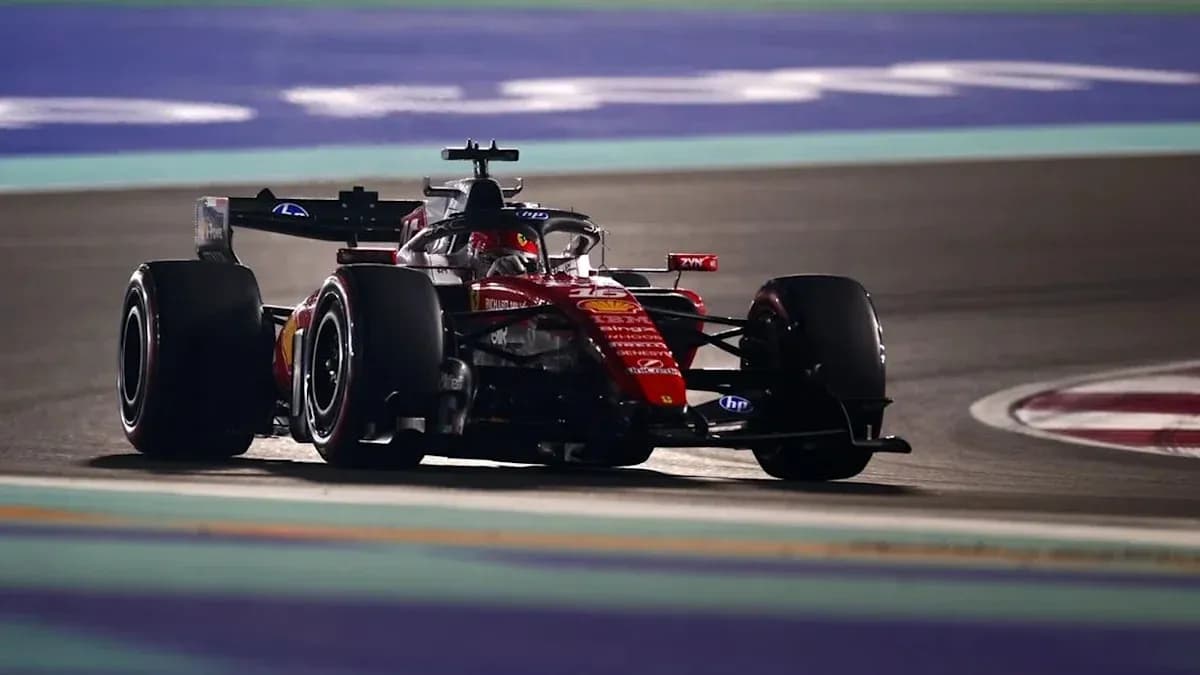
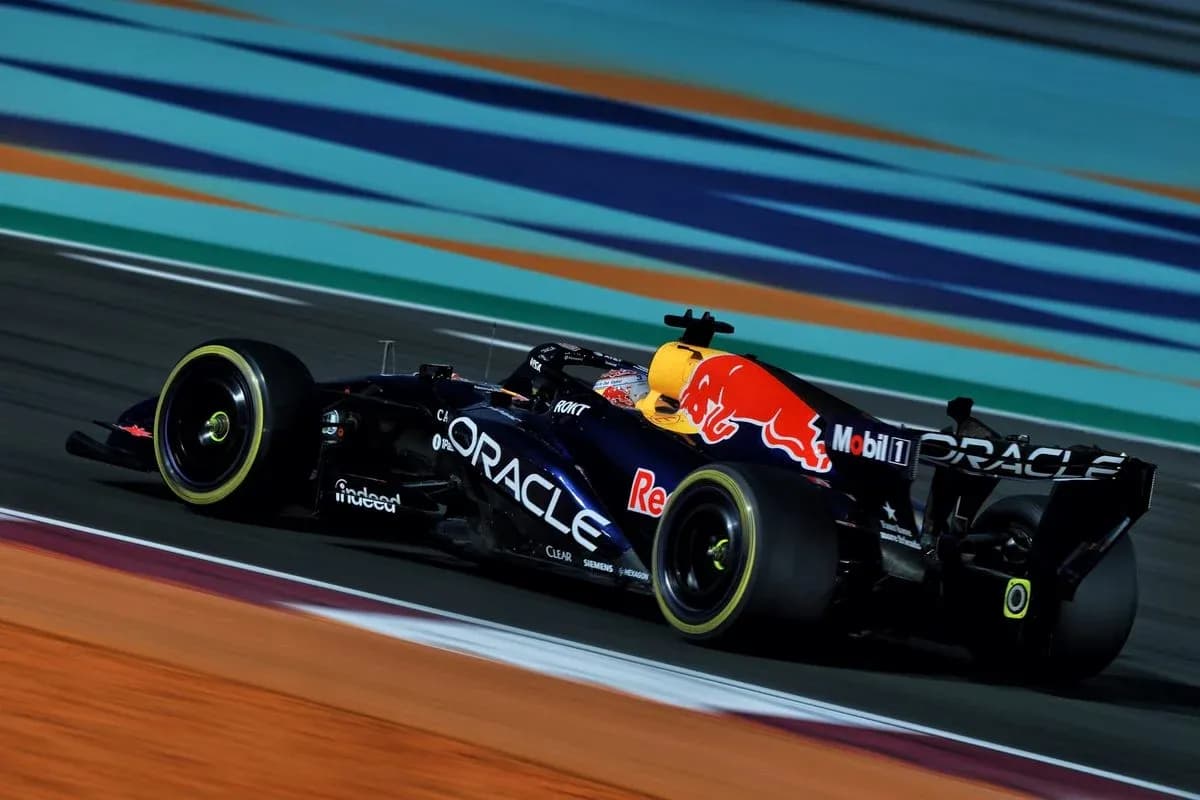
Practice at the Qatar Grand Prix turned into a rolling stress test for the 2026-spec cars and their tyres, exposing levels of graining, wear and thermal degradation that caught even Pirelli off guard.
“It’s quite impressive the surprises that this circuit gives to us every time they come here,” admitted chief engineer Simone Berra, and this time Lusail has gone a step further.
Front-left on the edge after just 15 laps
The numbers tell the story. On a weekend where each set of tyres is officially capped at 27 racing laps, Pirelli’s early analysis showed some heavily loaded front-left tyres reaching 100% wear in specific zones after only 15 laps of high-fuel running in practice.
The worst damage appeared in two areas: near the inner shoulder and right out on the outer shoulder, with all three compounds suffering graining. The C2 and C3, in particular, showed aggressive grain that accelerated wear in those hot spots.
The suspicion is clear. A more weathered track surface, combined with the reduced downforce of the 2026 car package, is forcing the tyres to slide more. Sliding means heat. Heat means graining. Graining means rubber torn away long before its time.
That, in turn, is feeding a level of thermal decay degradation that Pirelli says it has not seen before in Qatar, up to 0.2 seconds per lap. Drivers simply will not be able to lean on the tyres as they have in previous visits. Any attempt to stretch stints will come at a heavy price in lap time.
Gravel cuts add another headache
The picture grew more complicated when Pirelli began inspecting the used rubber returned after practice. Among the blisters and graining marks, they found something else: gravel cuts.
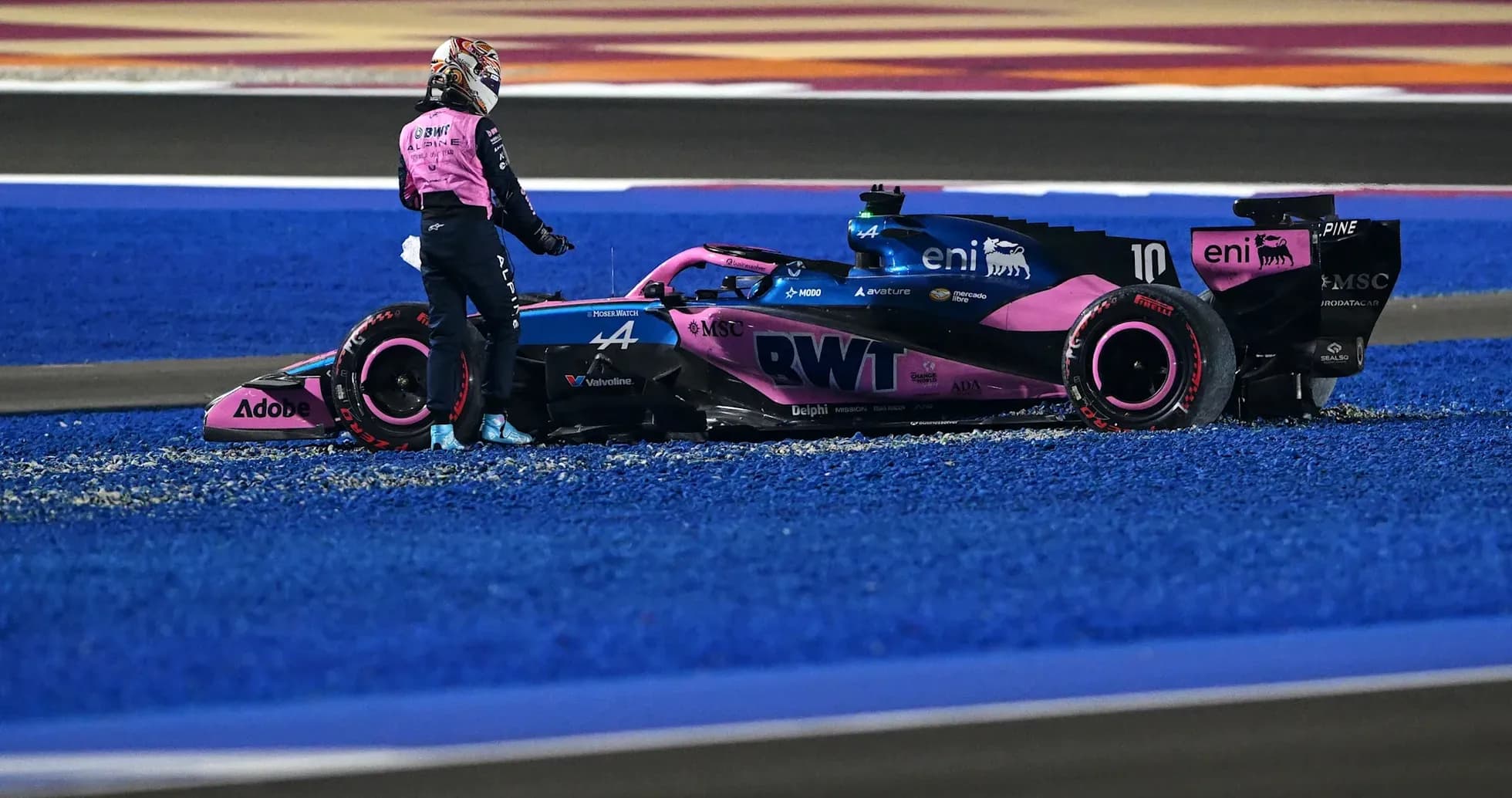
“We have seen some of them quite deep into the construction,” Berra said. One of those incidents even triggered a red flag, underlining how live the risk is. On a circuit where off-track excursions can fire stones back onto the racing line, every cut becomes a potential puncture waiting to happen.
This is not a new problem for Qatar. Last year, similar gravel-induced cuts prompted Pirelli to hike tyre pressures from Saturday onwards. A repeat move is firmly on the table again.
“We are evaluating all the variables,” Berra explained. “If necessary, we will increase the pressure.”
Pressures already at a modern-era peak
The starting point is already extreme. Front pressures sit at 29psi, the highest baseline Pirelli has brought into any event and equal to the level eventually used from Saturday onwards at Lusail last year.
Any further increase would push the sport into new territory in the modern era of F1.
Berra knows the trade-off. More pressure protects the structure but shrinks the contact patch. Less rubber on the road means more sliding and, with it, potentially even worse graining.
“That’s why I wouldn’t increase the pressure if possible,” he said. “But if we have to for integrity reasons, obviously we are going to evaluate it.”
So Pirelli stands on a knife-edge: raise pressures and risk amplifying the very wear patterns that are already alarming, or hold firm and trust that the tyre’s construction can survive the punishment.
27-lap cap under review
Pressures are not the only lever. The other major option on Pirelli’s desk is to cut the maximum stint length from the current 27-lap limit.
The decision will be guided by detailed laboratory work on the tyres used on Friday. Pirelli will section them, inspect the carcass and look for any sign that the integrity has been compromised beyond the surface-level graining and wear.
“We are going to check them, to section them, and obviously if there is no integrity issue, we will keep the 27 laps in any case because we know that graining level will reduce for the race, and the teams will do much more management to extend the stint length,” Berra said.
The process is already underway, part of Pirelli’s standard prescription review. If the lab finds no structural danger, the 27-lap rule may survive. If there is even a hint of risk, the cap will be tightened.
Strategy: three stops by logic, not by rule
Even if the limit stays at 27, the numbers point in one direction. With a 57-lap race distance and degradation as high as 0.2s per lap, it makes little competitive sense to run tyres to the maximum allowed.
On pure performance grounds, Pirelli expects teams to gravitate towards three near-equal stints of around 19 laps. That layout balances pace with tyre life and avoids the brutal end-of-stint drop-off that Friday’s long runs hinted at.
Safety cars could blow that neat plan apart. An early neutralisation might tempt a team into gambling on a long final run, trying to stretch a set close to the 27-lap ceiling to gain track position. The rule exists to allow that possibility.
Berra, though, is unconvinced that such a gamble would pay off given what Pirelli has seen so far. With degradation biting so hard, he believes early safety cars are more likely to push teams towards even more conservative, multi-stop strategies rather than embolden them to risk a marathon stint.
So Qatar is shaping up as a race of management, margins and restraint. The cars are faster, the downforce is lower, the track is harsher, and the tyres are already at their structural and operational limits.
If Friday was “surprise after surprise” for Pirelli, the real question now is whether Sunday brings one shock too many.