Shubman Gill Advocates for Lifting Saliva Ban in Cricket
Shubman Gill wants cricket to move on from Covid-era habits. Starting with the ball.
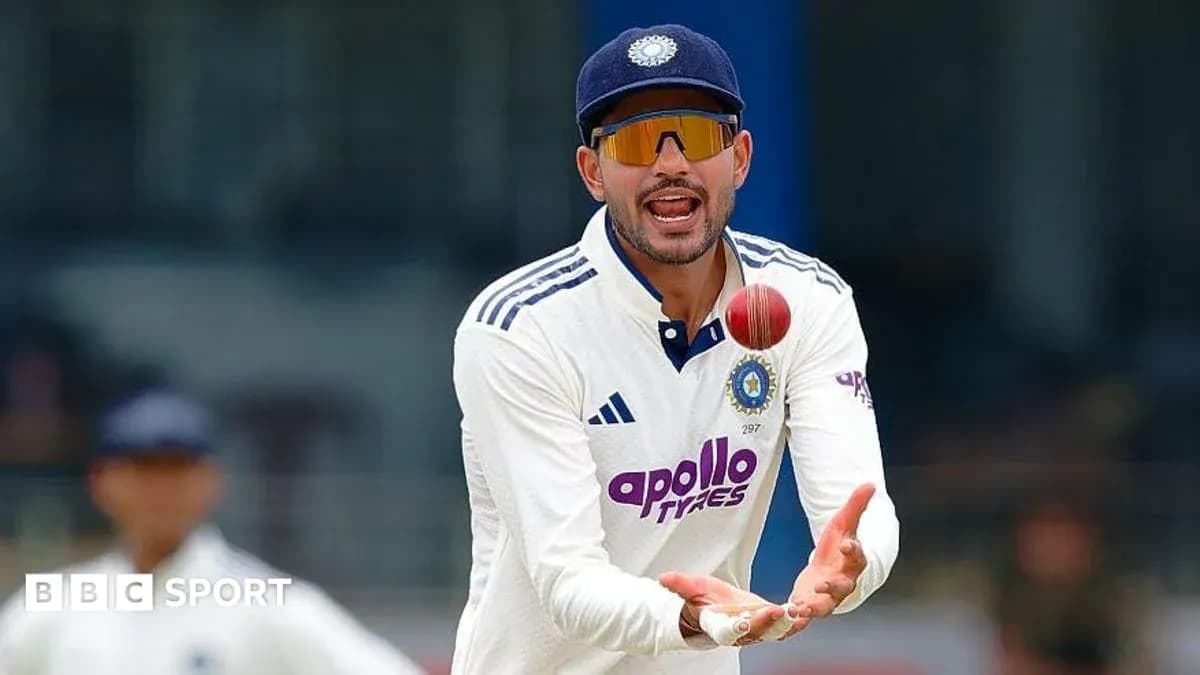
The India captain has called on the ICC to lift its long-standing ban on using saliva to shine the ball, arguing the game has outgrown the restrictions brought in at the height of the pandemic.
The law, introduced in May 2020 and made permanent in 2022, forced bowlers to abandon one of the oldest tricks in the sport’s manual. Sweat stayed; saliva went. The idea was simple: reduce the risk of transmitting Covid-19. Four years on, Gill is asking why that logic still holds.
“I don't know why ball shining [using saliva] is not allowed,” he said in Wellington, fresh from scoring 98 in India’s only innings of a run-soaked first Test against New Zealand. “It's been years since the Covid-19 pandemic passed, I don't know why it's not allowed now.”
This is not a small detail for bowlers. It cuts to the heart of how the red ball behaves.
For generations, quicks and skilful seamers have worked one side of the ball relentlessly, polishing it to a mirror while allowing the other to roughen and fray. That contrast in surfaces helps the ball swing, especially as it ages. Remove saliva from the equation and, in many conditions, sweat alone has struggled to produce the same effect.
On flat pitches, the impact is brutal. The older the ball, the less it swings. The less it swings, the more batters cash in.
Wellington was a case study. New Zealand, rattled early at 70-5, looked destined for a brief and painful first innings. Then Henry Nicholls and Glenn Phillips dug in, counter-punched and dragged their side to a remarkable 386 all out with superb centuries. India replied with something even more brutal: 720-9, a mountainous total that should have broken the game wide open.
It didn’t.
The pitch died instead. The final day turned into a long, slow grind as the Black Caps shut the game down and blocked their way to a draw. No bite, no demons, no deterioration worth the name.
“It's frustrating because we didn't get the result we wanted. Draws are not common, we are not used to draws,” Gill admitted. “We thought there would be a lot more in the wicket.
“Days three, four and five just got flatter and flatter. There was no impact of the overs being bowled on the wicket, or even the days being played. It just got slower.”
On such surfaces, every small tool matters. If swing disappears early and reverse swing never truly arrives, bowlers are left with hope and hard toil. The batters, especially in line-ups as deep as India’s and New Zealand’s, feast.
Gill’s comments land in that context. This isn’t nostalgia for an old ritual; it’s a pointed question about competitive balance in Test cricket at a time when flat pitches and giant scores are becoming more common.
The stalemate in Wellington did more than frustrate India’s new captain. It complicated the World Test Championship picture. Both teams are chasing the same prize: a top-two finish and a place in next June’s final at the Oval in London. South Africa and Australia currently occupy those spots, with New Zealand third and India fourth. Two heavyweights, one shared setback.
Now they go to Christchurch for the second Test, starting Thursday. Same ball, same rules, same restriction on saliva.
The surfaces may change. The stakes won’t. And if the bowlers find themselves again staring at a lifeless pitch and a lifeless ball, Gill’s question to the ICC will only sound louder.