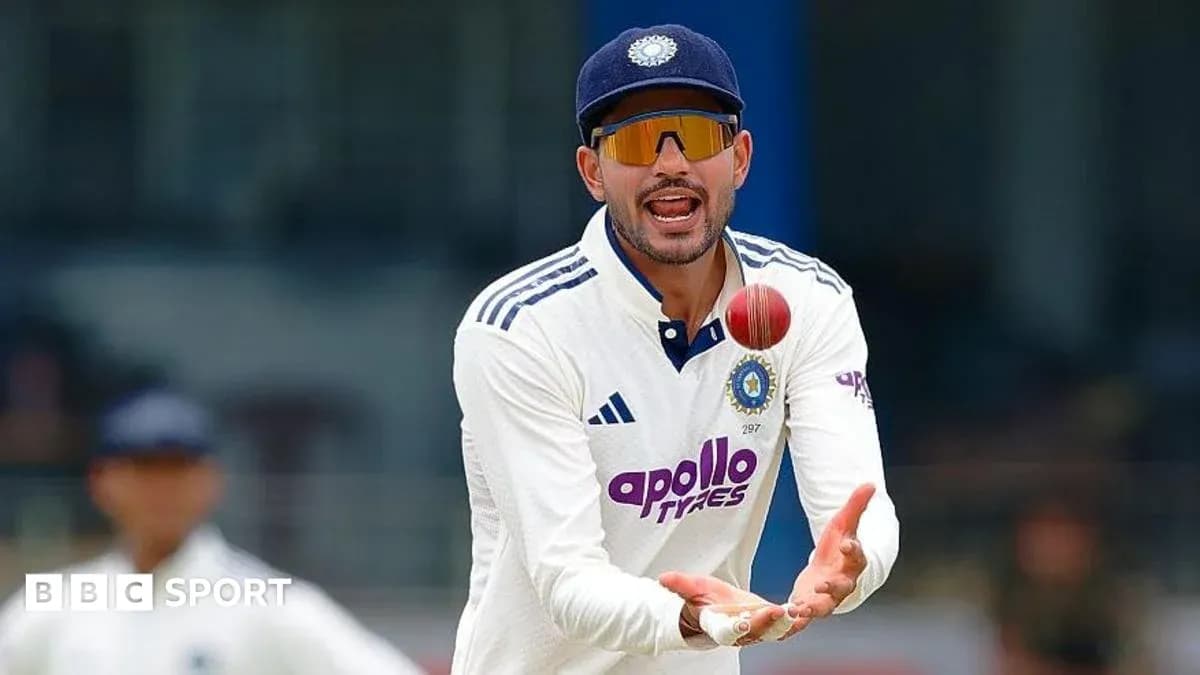
Shubman Gill Calls for Saliva Ban to Be Lifted in Cricket
Shubman Gill wants an old habit back. Not runs, not form. Saliva.
Six years after the International Cricket Council outlawed using saliva to shine the ball, India’s Test captain has called for the ban to be scrapped, arguing that the Covid-19 era that spawned it is firmly in the past.
The rule arrived in May 2020 at the height of the pandemic and was made permanent in 2022. Since then, bowlers have been limited to sweat to keep one side of the ball polished, a compromise the ICC felt carried less risk of transmitting Covid.
Gill, fresh from scoring 98 in India’s only innings of a mammoth draw against New Zealand in Wellington, made his frustration clear.
“I don't know why ball shining [using saliva] is not allowed,” he said after the first Test. “It's been years since the Covid-19 pandemic passed, I don't know why it's not allowed now.”
This is not a minor detail for bowlers. It cuts to the heart of how the red ball behaves.
For generations, quicks have used saliva or sweat to buff one side of the ball while allowing the other to rough up. That contrast in condition helps the ball swing through the air. Once the ball grows older and more scuffed, it usually swings less and becomes friendlier for batters, which is why fielding sides fight so hard to preserve shine for as long as possible.
In Wellington, India’s attack needed every advantage it could find. It never really arrived.
New Zealand were 70-5 in their first innings, seemingly buried, before Henry Nicholls and Glenn Phillips hauled them back with defiant centuries, lifting the hosts to 386 all out. The match seemed to tilt India’s way again when their batters responded with a towering 720-9, a total that would normally crush resistance and time.
Instead, the surface died as a contest.
On the final day, the Black Caps shut the game down, blocking their way to safety as India’s bowlers toiled without reward. For a side accustomed to forcing results, the stalemate cut deep.
“It's frustrating because we didn't get the result we wanted. Draws are not common, we are not used to draws,” Gill admitted. “We thought there would be a lot more in the wicket.
“Days three, four and five just got flatter and flatter. There was no impact of the overs being bowled on the wicket, or even the days being played. It just got slower.”
That lifeless pitch fed directly into Gill’s broader point. If surfaces refuse to deteriorate and the ball loses its sting, captains look for any legal method to keep their bowlers in the game. In his eyes, the saliva ban now feels like a relic of a different time.
The draw in Wellington did more than irritate India’s captain. It clogged up the race for the World Test Championship final.
Both teams needed a win to keep pressure on the frontrunners. South Africa and Australia currently occupy the top two places in the table, with New Zealand third and India fourth, all jostling for a spot in next June’s showpiece at the Oval in London.
No one walked away satisfied. Not really.
New Zealand escaped after a collapse. India piled up 720 and still couldn’t force a result. Bowlers on both sides laboured on a pitch that refused to break up. And in the middle of it all, the India captain used his platform to reopen a debate the ICC thought it had closed.
The conversation now follows the series to Christchurch, where the second Test starts on Thursday and where fast bowlers, once again, will be searching for every last ounce of movement the modern laws still allow.