UFC Light Heavyweight Division Stalled: Navajo Stirling Emerges as a Contender
The UFC light heavyweight division is somehow both wide open and going nowhere.
When Alex Pereira walked away from his 205-pound throne in February to chase Heavyweight glory, it should have lit a fire under the weight class. A vacant belt, a power vacuum, a chance for someone new to seize the moment. Instead, the division stalled.
The UFC did what it could. Jiri Prochazka vs. Carlos Ulberg was thrown together and branded a title fight. On paper, it made sense. Prochazka was the former champion with chaos in his DNA, Ulberg the quietly efficient winner on a long streak. But it never felt like a true passing-of-the-torch clash. Prochazka had already been wrecked twice by Pereira, and Ulberg, despite nine UFC wins, had barely scratched the surface of mainstream interest.
Then came the worst-case scenario.
Ulberg shredded his knee and still managed to knock out Prochazka. A highlight-reel finish paired with a brutal injury. There was a new champion, technically. Practically, the belt vanished into storage. With Ulberg sidelined for at least a year, the division’s new era began with a dead stop.
Everything behind him slowed to a crawl. Paulo Costa detonated Azamat Murzakanov in April, handing the previously unbeaten Russian his first loss and announcing himself as a serious player at 205. Then, just as quickly, Costa made it clear he had no intention of signing another UFC contract. One statement win, then a hard exit from the picture.
Magomed Ankalaev, long touted as the man who should be ruling this division, took care of business against Bogdan Guskov in a main event that barely registered. He won, he moved on, but the performance did nothing to jolt the weight class awake. With Ankalaev now out until after Ramadan at the earliest, another key contender sits on the shelf.
Amid all this inertia, one fighter refused to move at the division’s sluggish pace.
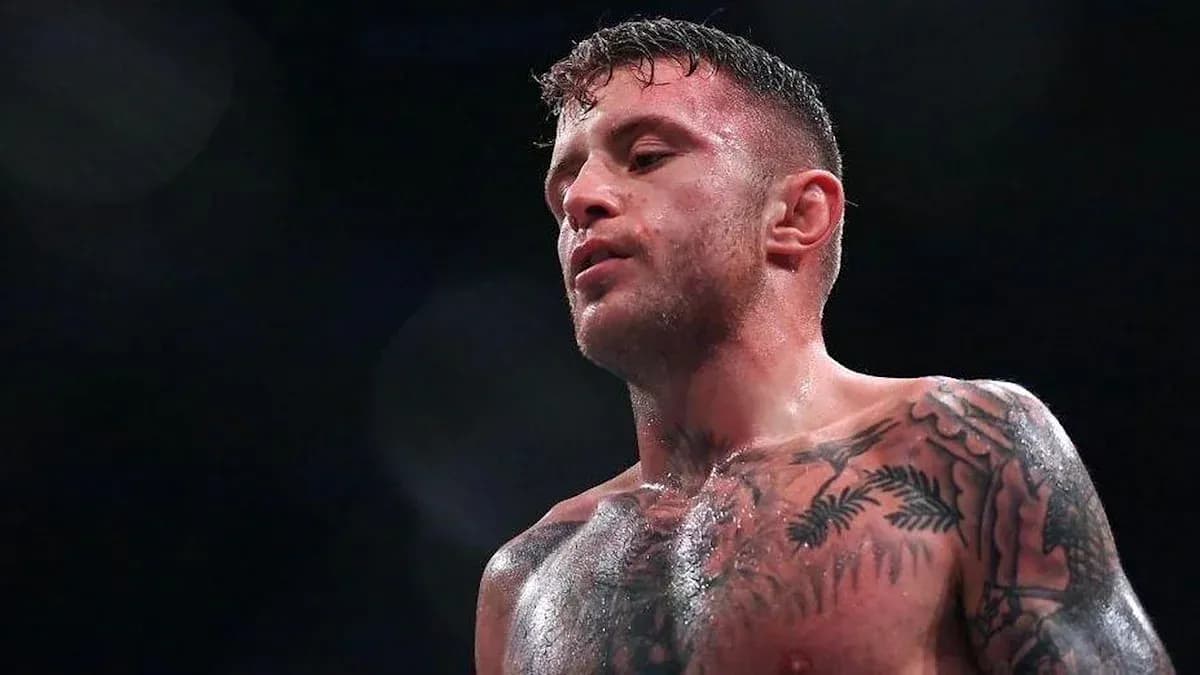
Navajo Stirling has turned 2026 into his personal launchpad. At the start of the year, he was a 3-0 UFC kickboxer grinding out decisions over names like Rodolfo Bellato. Talented, yes. Dangerous, not yet. Less than a year later, he’s ripped off four consecutive knockouts, each one against better opposition than the last, and forced his way into the title conversation.
His performance against Prochazka last night felt like a line in the sand. This wasn’t a prospect learning on the job; it was a contender arriving.
Stirling carved up Prochazka’s lead leg, happily accepted a few clean shots in return, then detonated a shifting right hook that sent the former champion crashing. It was violent, clinical, and composed. It was also exactly what this stagnant division has been missing: urgency, risk, and a sense that something new is happening.
At 28, with a highlight reel now growing by the month, Stirling looks like the perfect answer to a division stuck in neutral.
But there’s a catch.
Stirling and Ulberg share more than a weight class. They share a gym. Teammates, not rivals. For now, there’s no hint of a Jon Jones vs. Rashad Evans-style fracture, no whispers of a camp split, no looming civil war over the belt. Stirling seems comfortable taking a different path instead of pushing for the title shot his performances have earned.
And Ulberg? No clear timeline. No date circled. Just a champion in rehab and a belt effectively frozen.
So the division waits. Again.
Stirling, though, doesn’t fight like a man interested in waiting for anyone. He’s already chewed through four opponents in ruthless fashion this year. If he keeps marching forward, keeps knocking out contenders while his teammate heals, the UFC will eventually be staring at an awkward question with no easy answer.
What happens if Navajo Stirling takes out another top name and leaves the UFC with a red-hot contender who refuses to fight the champion he trains with—and a division that can’t afford to stand still any longer?