Usman Khawaja Opens Up on Sandpaper Scandal Fallout
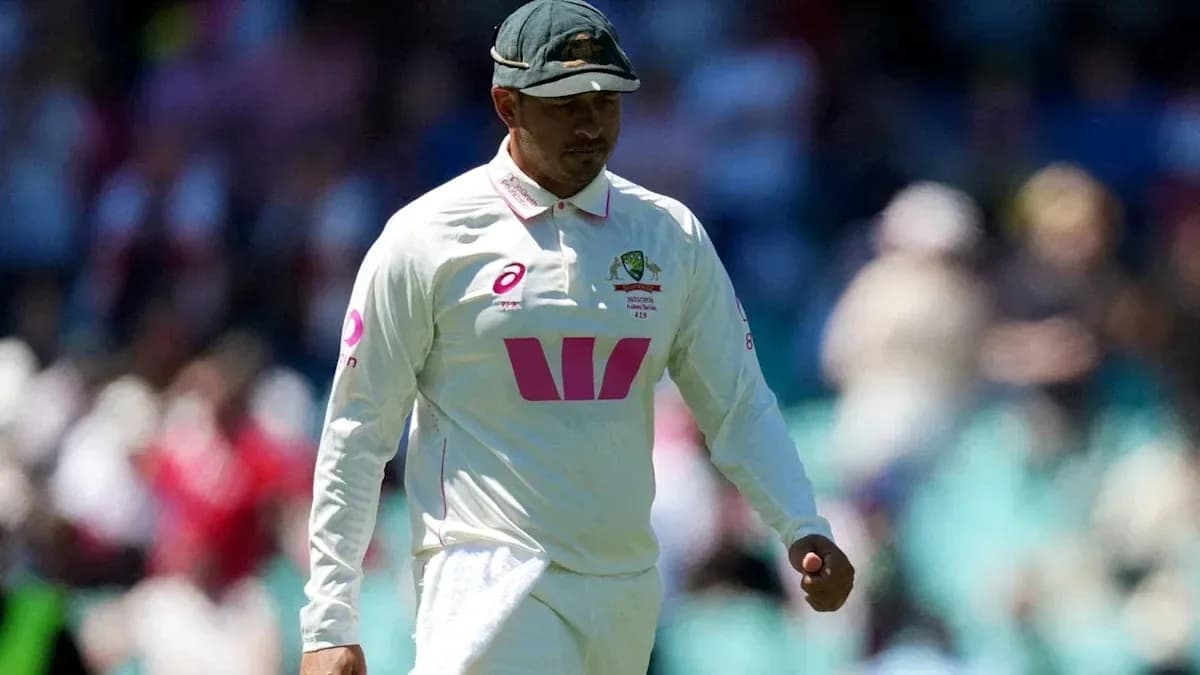
Usman Khawaja says he never saw it coming.
The veteran opener has again waded into the sandpapergate storm, this time revealing his shock and hurt at Australia captain Pat Cummins’ fierce public rejection of his claims about the 2018 scandal – and outlining his failed attempt to broker a shared statement of responsibility.
Khawaja revisited Cape Town in his autobiography, challenging the long‑held version of events by asserting that the entire playing group knew about the plan to alter the ball. That reopened a wound Australian cricket has never quite allowed to heal.
The reaction was instant – and brutal.
Cummins fronted a lengthy press conference to knock down the suggestion of wider knowledge, branding Khawaja’s account “complete and utter nonsense” and warning him against being “casual” with people’s lives. Former coach Darren Lehmann and fast bowler Josh Hazlewood also rejected Khawaja’s claims, while Cricket Australia quickly threw its weight behind its captain, stressing both its faith in his integrity and his security in the role.
For Khawaja, watching that unfold cut deep.
Speaking on the Grade Cricketer podcast, he described sitting at home as Cummins spoke, stunned by the tone from a man he had shared dressing rooms and trophies with.
“I was never expecting him to come out and attack me personally like that,” Khawaja said. “I’ve never seen that side of Pat before. That’s what really disappointed me. I wanted to turn it off so many times, but I had to keep going.
“I remember Rachel, my wife, was next to me and she just kept going, ‘Are you OK? Are you OK?’. I couldn’t really answer her because I was just (feeling) so many emotions at that time. It was really weird.”
This was not, he insisted, a hit job on the current captain. In Khawaja’s mind, the opposite was true.
He revealed that he and Cummins had already spoken privately, trying to find what he called a “middle ground” between their perspectives. He believed they were edging towards a compromise – some form of collective acknowledgment that did not single out individuals or threaten anyone’s position.
“That’s why I was so shocked when I saw what happened, because I thought the middle ground was going to happen, and then it didn’t,” he said.
“(But) I always wanted Pat to remain captain. This was never about Pat or Pat losing his captaincy. I don’t want to hurt anyone individually.”
Behind the scenes, Khawaja had gone even further.
On the podcast, he read out a text message he sent to Cricket Australia chief executive Todd Greenberg, containing a draft statement he hoped everyone involved in the 2018 tour could endorse. The proposal accepted that the squad knew ball-tampering had occurred during the series – “whether it was sandpaper or by any other means” – and explicitly thanked David Warner, Cameron Bancroft and Steve Smith for serving heavy bans while others escaped sanction.
In essence, it was an appeal for shared accountability, six years on, from a player who believes the burden of blame has never been fairly distributed.
Khawaja said Greenberg told him the idea was “not going to fly”. CA has instead opted to push ahead with an independent forum to air views on the saga, but it has no plans to reopen sanctions or formally rule on competing versions of events.
The divide is now clear. On one side, Khawaja and those who have backed his recollection – including Warner, Bancroft and former squad member Chadd Sayers – arguing that knowledge of the tampering was more widespread. On the other, Cummins, Hazlewood, Lehmann and the governing body, all publicly rejecting that suggestion and standing firmly behind the current captain.
Six years after sandpaper scraped across a ball in Cape Town, Australian cricket is still arguing over who truly knew what. The bans have been served, careers rebuilt, reputations reshaped – but the question of collective responsibility refuses to disappear.