Anthony Correia Reflects on Utrecht Dismissal and Future Aspirations
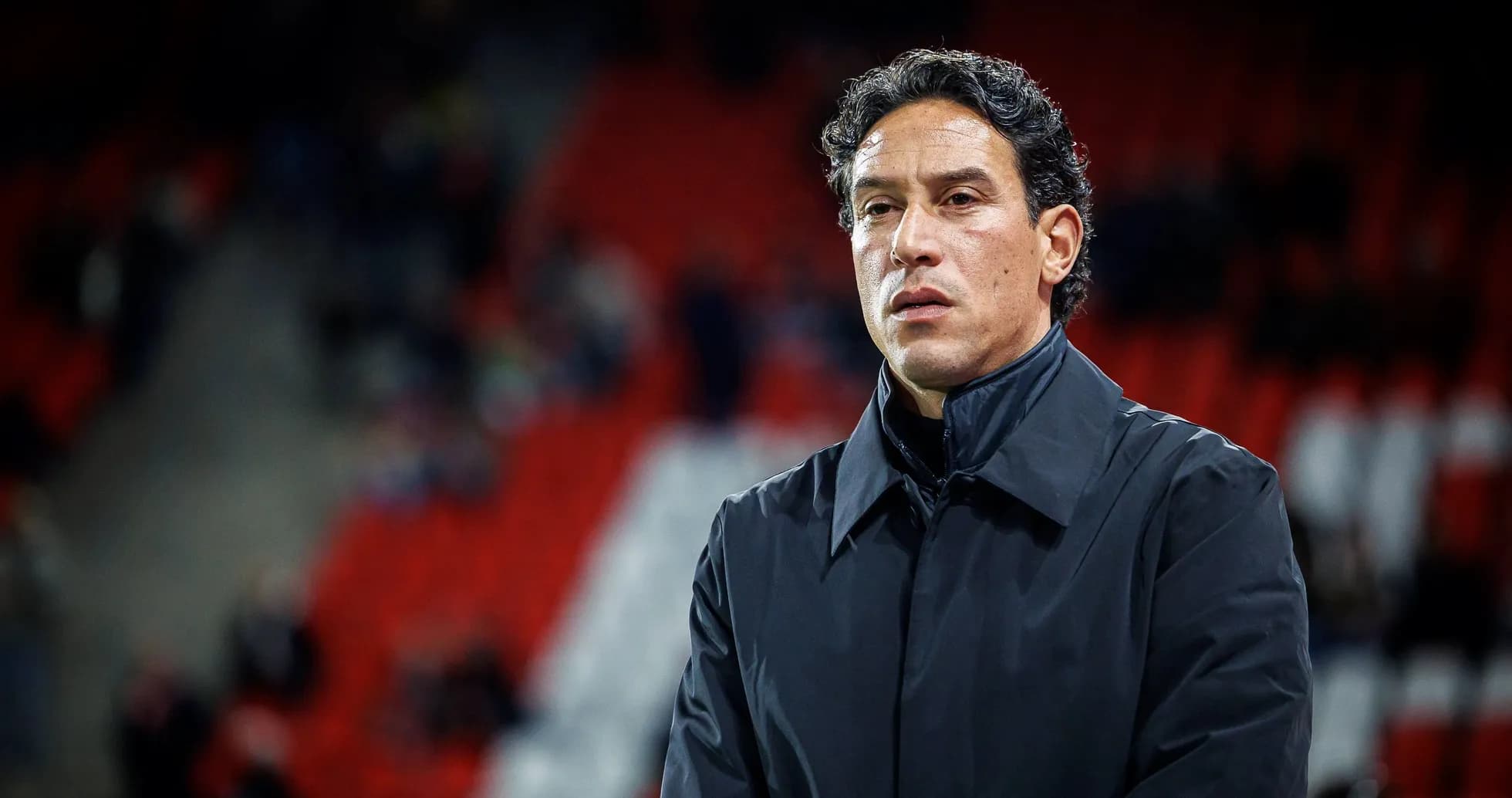
Anthony Correia sat under the modest lights of RKVV Velsen’s clubhouse, a long way from the pressure cooker of the Eredivisie. The room was filled with sponsors, local faces, people who still see football as something you share rather than survive. For the first time since his dismissal by FC Utrecht, the 44-year-old finally spoke.
“The months at FC Utrecht were good, but the split hurts incredibly badly, of course,” he admitted, the words landing heavier than the setting suggested.
This was no grand press conference. No backdrop of club crests, no battery of cameras. Just a candid football man in conversation with another: Pieter de Waard, the former Telstar managing director, sharing the stage with the ex-coach of the White Lions. It felt almost symbolic. Back to where reputations are built the hard way, far from the glare.
Correia didn’t hide from what had happened in Utrecht, nor did he dress it up. A painful 3-2 home defeat to SC Cambuur proved the final straw, the result that tipped a fragile situation over the edge. Utrecht, drifting and anxious, sat 15th in the Eredivisie after the last round of fixtures. For a club with European ambitions and a restless fanbase, that position was never going to be tolerated for long.
The numbers were unforgiving. Seven defeats in the first 13 league matches under Correia. The last three losses stung even more: relegation candidates Telstar, struggling NEC, and newly promoted Cambuur. Each setback tightened the noose. Each one chipped away at the board’s patience.
The club’s hierarchy decided it could not wait any longer. The axe fell.
Into the breach stepped Mark Otten. Until then, he had been coaching Jong FC Utrecht, working largely in the shadows, shaping prospects rather than managing full-blown crises. Now he finds himself in charge of the first team, at least on an interim basis. The twist: Otten and Correia once sat side by side on the Dutch FA’s coaching course, two men on parallel tracks, now separated by the brutal logic of results.
Otten’s promotion is no random stopgap. Technical director Jordy Zuidam has already hinted that the interim tag might not be permanent. If Otten steadies the ship, if Utrecht claw their way back to mid-table security and show signs of a clear identity, the decision may well make itself. Football rarely waits for sentiment.
Correia, for his part, is not ready to disappear from the stage.
“I hope for a new challenge soon,” he said, as reported by local outlet IJmond360, which was also present at the Velsen event. There was no bitterness in the line, just a simple statement of intent from a coach who has taken a hit but not a count.
He knows how quickly the game can turn. At Telstar, he built a reputation as a likeable, straight-talking coach who could get a tune out of modest resources. That work earned him a shot at a bigger platform. It also exposed him to the ruthless side of the profession, where one bad run can undo months of graft.
On this sponsors’ evening, though, the atmosphere felt different. Less judgment, more curiosity. Correia spoke openly, the kind of conversation that rarely survives the filters of a press room. The hurt is fresh, the dismissal still raw, yet the message is clear: he is not done.
Utrecht move on with Otten, chasing stability in a season that has already veered off course. Correia moves on too, waiting for the next call, the next dressing room, the next chance to prove that one brutal spell does not define a career.