Darron Gibson's Battle with Sleeping Pill Addiction
Darron Gibson remembers the roar of Old Trafford, the weight of a Manchester United shirt on his shoulders, the feeling that a long Premier League career lay at his feet. What he did not see coming was the small white tablet that would almost take his life.
This week, the former United and Everton midfielder laid bare the extent of his sleeping pill addiction, a battle that raged in the shadows while he was still a top-flight footballer.
From academy hope to Premier League regular
Gibson came through the Manchester United academy and broke into the first team in the 2005–06 season. It took a few years for him to become a regular presence, but by 2008–09 he had carved out a role in Sir Alex Ferguson’s squad.
He would go on to play 60 times for United, scoring 10 goals in all competitions. For a midfielder who often operated on the fringes of a star-studded side, those numbers spoke of impact: long-range strikes, big-game contributions, flashes of the player many in Ireland and England expected him to become.
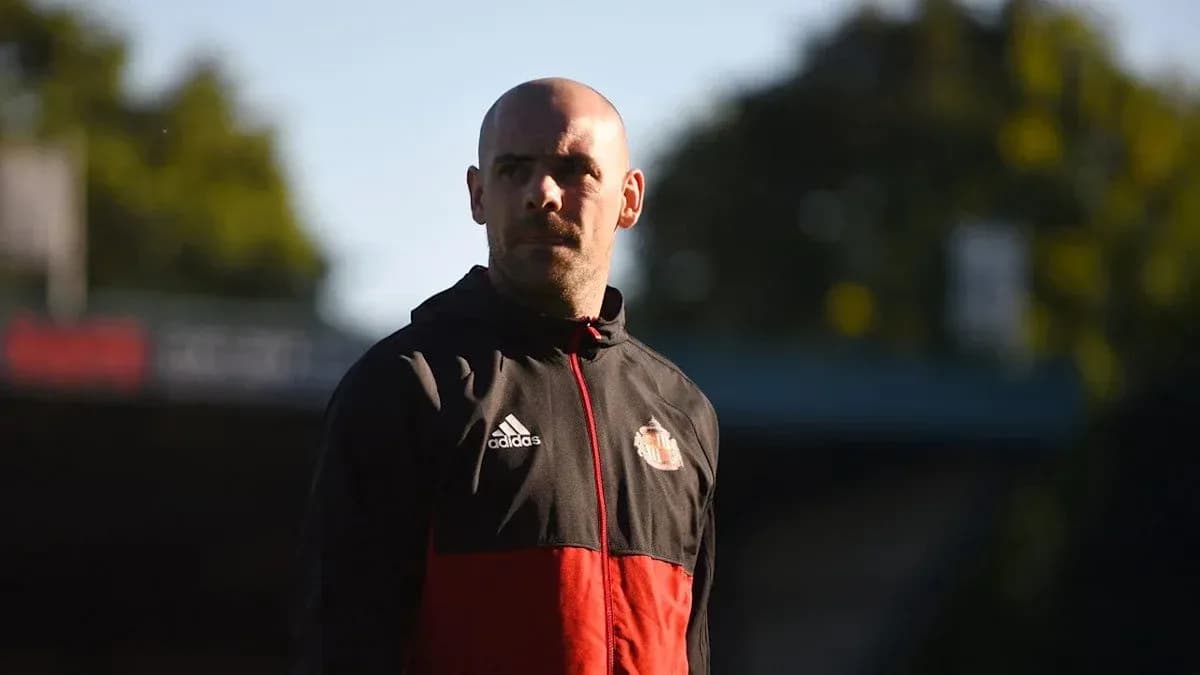
In 2012, he left Old Trafford for Everton, where he spent six seasons before winding down his career with spells at Sunderland, Wigan Athletic and Salford City. On the international stage, he represented the Republic of Ireland 27 times, scoring once.
On paper, it is the career of a solid Premier League professional. The reality behind it was far darker.
The pills that took over
Speaking to RTÉ Sport on an Irish television podcast, Gibson detailed how a knee injury in 2013 became the gateway to a serious addiction to sleeping tablets.
What began as a medical aid to help him rest and recover spiralled into something else entirely. He admitted that at his worst, he was taking up to 14 pills a night.
The numbers sound outrageous. For Gibson, they were routine.
The turning point came at home, in front of his wife. It was there that the scale of the crisis became brutally clear.
His wife, appearing alongside him on the podcast, recalled the moment ambulance staff arrived and found him in a terrifying state. “When the ambulance staff came in, he had blue lips, I thought he had gone. I was being treated for shock. I just thought: ‘At least he's not struggling anymore.’ Next minute (sharp intake of breath), he's back.”
Gibson did not remember any of it.
He said: “Ultimately, if that hadn't have happened, I wouldn't be here now. Probably. No, not easy. If that hadn't of happened, I wouldn't be here now. It was a difficult time. I went to hospital and done all the tests and everything came back clear. I woke up, and the two paramedics were standing there, and I was like ‘Why are you here?’ and walked past them into the kitchen and got a drink, came back in and sat down. I'd no idea what happened.”
A footballer who had played in front of tens of thousands, who had faced some of the best players in the world, had come within touching distance of death in his own home and could not even remember it.
“Who takes five sleeping tablets at 10 in the morning?”
Looking back, Gibson does not sugar-coat it. He described a version of himself that feels almost unrecognisable now.
“Looking back, who takes five sleeping tablets at 10 in the morning and doesn't go to sleep? It's ridiculous. But it's where I was. It's what I was doing.”
The line is as stark as it is damning. A professional athlete, expected to be at peak physical and mental condition, swallowing pills in the morning and carrying on as if nothing was wrong. Training, playing, existing in a bubble where the warning signs were easy to ignore.
The story cuts through the usual clichés about footballers and resilience. This was not about a dip in form or a bad tackle. It was about dependency, denial and a body pushed to a dangerous edge.
Everton’s role and a question that lingers
Gibson also spoke candidly about how Everton handled the situation. He does not attack the club, but his reflections raise uncomfortable questions about how football deals with addiction and mental health.
“I think Everton thought they were looking after me by not punishing me, which I really appreciated at the time. And I don't blame them for any of this, but I think if they'd punished me, maybe I would have changed. But I didn't and kept going.”
It is a revealing admission. A club trying to support a player. A player perhaps needing a harder line. Both caught in a grey area that football still struggles to navigate.
Gibson’s career numbers are now fixed: 60 games and 10 goals for Manchester United, six seasons at Everton, caps for Ireland, late-career stops at Sunderland, Wigan Athletic and Salford City. The statistics tell one story.
His own words tell another — of blue lips, paramedics, five tablets at 10 in the morning and a life that almost ended long before his playing days did.
The question now is not what kind of player Darron Gibson might have been, but how many others inside the game are still hiding the same kind of fight.