Australian Cricket's 2017-18 Season Scrutinized in New Forum
Australian cricket’s most bruising chapter is being reopened – this time behind closed doors, and on a wider canvas.
Cricket Australia has confirmed that the independent forum established to hear from players and staff involved in the 2018 tour of South Africa will now also take in the entire 2017-18 season, including the home Ashes. What began as a chance to revisit sandpapergate has grown into a broader examination of how the ball was managed, how the team operated, and how the original investigation was handled.
The move comes in the wake of Usman Khawaja’s memoir, which dragged the Newlands scandal back into the spotlight and reignited long‑simmering questions about who knew what, and when.
A confidential airing of old wounds
The forum will be led by senior counsel Fiona McLeod, a heavyweight with more than 30 years’ experience, including work on royal commissions. She will oversee a six‑week window in which players and staff from that period can speak in what CA describes as a “safe and confidential” setting.
Their underlying accounts will stay sealed. The public will not see transcripts or testimony. What they will see is McLeod’s final report – recommendations and all – published in full, along with the CA board’s official response within 30 days of receiving it.
This is not a courtroom. CA has stressed that the process is about gathering information and listening, not apportioning blame. There will be no new sanctions, no retroactive charges, no legal action spun out of what is said. The forum is voluntary; those who want to talk can, those who don’t will not be compelled.
From Cape Town to the Ashes
The scope, though, is striking.
McLeod has been asked to look at ball management practices across the entire 2017-18 season. That covers the four Tests in South Africa and, crucially, day three in Cape Town, when cameras picked up Cameron Bancroft with sandpaper on the field and the scandal exploded across the cricket world.
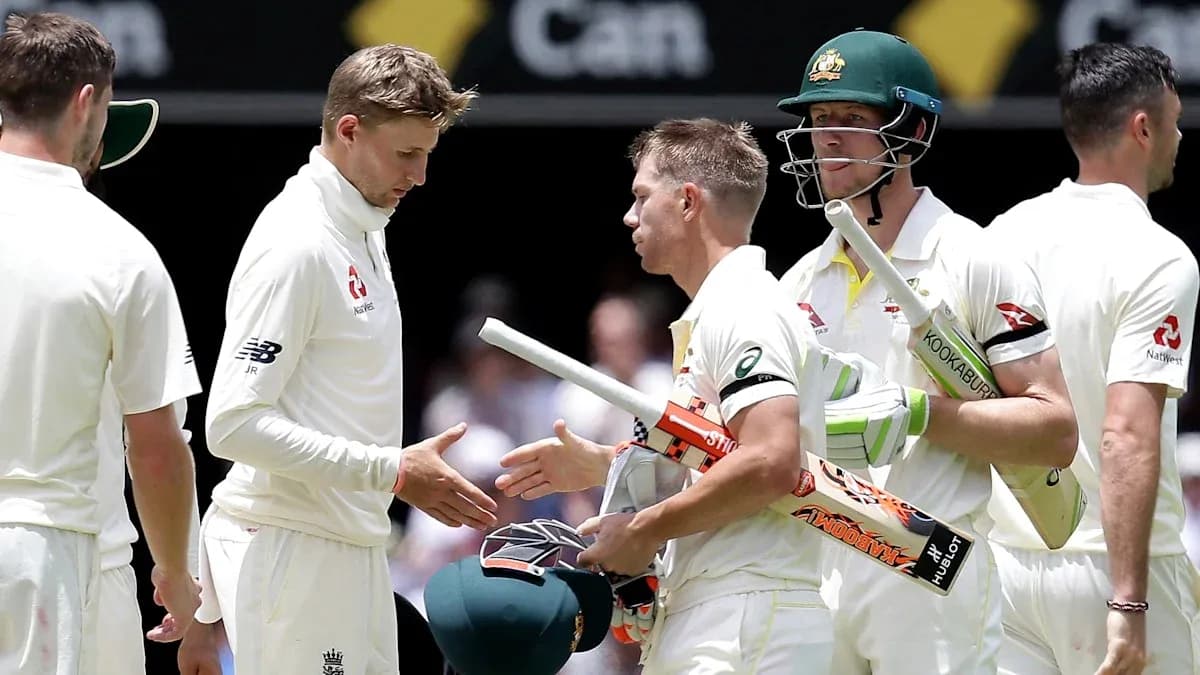
But the net now stretches back to the preceding Ashes series in Australia, a direct response to accusations that ball tampering was not confined to South African soil. The decision to include the Ashes acknowledges what many within the game have whispered for years: that Newlands may have been the flashpoint, not the starting point.
On top of that, the conduct and scope of CA’s original 2018 investigation will be examined. David Warner has since labelled that process “rushed” and “botched”, and those claims will now sit squarely under the microscope.
Old bans, fresh questions
Warner, Bancroft and then‑captain Steve Smith all served bans for their roles in the Newlands plot. Their punishments defined careers and reshaped Australian cricket’s leadership. Yet Khawaja’s book has reignited the debate, suggesting knowledge of the plan extended beyond those three.
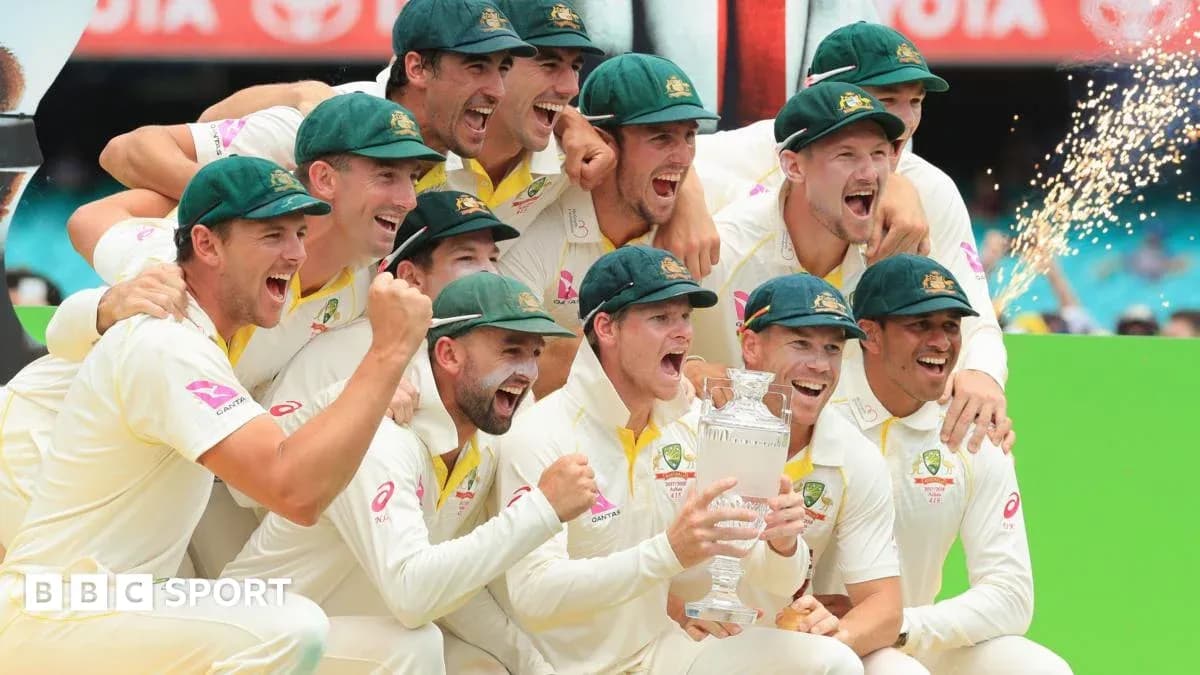
Current Test captain Pat Cummins and fellow bowlers Mitchell Starc, Josh Hazlewood and Nathan Lyon have all flatly denied any prior knowledge of the tampering scheme. Their stance, and the lingering doubts around the dressing room’s awareness, form part of the tension that now hangs over this forum.
McLeod will also have access to the original 2018 culture and governance review of Australian cricket, conducted by the Ethics Centre in the aftermath of sandpapergate. That document, which painted a stark picture of the game’s internal pressures and priorities, will serve as a key reference point.
Transparency, without a witch-hunt
CA chair David Boon framed the forum as a chance for those involved to finally put their full version of events on record, without fear of fresh punishment.
“This is an opportunity to provide their accounts in a safe environment and to provide the CA board with relevant information including about the events of that tour and resultant investigation,” Boon said.
He acknowledged the emotional toll of seeing the saga dragged back into view eight years on, insisting player welfare sits at the heart of the process. The renewed focus has re-opened scars for many of those who lived through the fallout; CA knows it cannot afford another misstep.
Boon also underlined the board’s promise to publish the report in full, calling it part of a commitment to transparency and to being open with cricket fans about what is learned. At the same time, he drew a clear line: this is not about “sanction or recriminate”.
So the game returns, once more, to its most uncomfortable mirror. No bans, no charges, no tribunal. Just a confidential room, a senior counsel, and a sport still trying to decide whether it has truly dealt with the darkest days of its modern era – or whether the real story of 2017-18 is only now beginning to be told.