Barcola's Self-Assessment After Liverpool's 4–0 Victory
Anfield roared, the Kop bounced, and Liverpool dismantled Manchester United 4–0. Bradley Barcola walked off annoyed with himself.
On an afternoon when almost everything in red worked, the £106 million winger left the pitch replaying his misses in his head, not the scoreline on the board.
“I’m not satisfied with my performance. I know I can do much better, and I know what I'm capable of,” he told Canal+, in quotes carried by the Liverpool Echo. “I finished with an assist, but I could have scored three or four goals.”
No one had to prod him. No leading question, no controversy to react to. Barcola got there on his own. The standards are coming from inside the building.
A Winger Who Terrified United – Until the Finish
For long spells, United simply could not live with him.
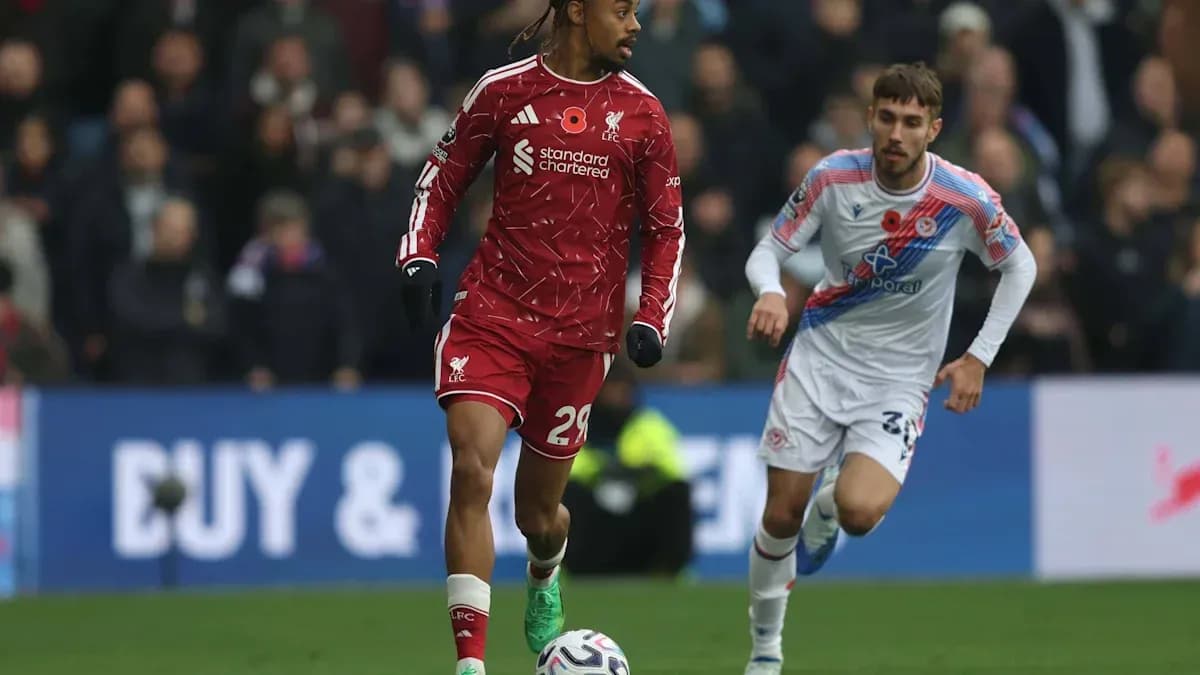
Barcola kept attacking the space, gliding beyond defenders, stretching the game on the right. His acceleration unsettled a back line already reeling from Leny Yoro’s early red card. Time and again he broke through, arrived in the right areas, and saw the move die at his feet.
The pattern was clear: the run was there, the timing was there, the chance was there. The final touch wasn’t.
That is what gnawed at him. Liverpool had already paid a fee that could rise to £123 million. The price tag follows him into every game. He knows it. The club knows it. Opponents know it. Yet his frustration on Sunday came less from the noise around him and more from what he expects of himself.
A comfortable rout of their fiercest rivals did not blunt the edge of that disappointment.
Carragher Turns Up the Heat
Jamie Carragher saw the same thing, but stripped of any sympathy.
“I mean Barcola is so unconvincing in front of goal,” he said on Sky Sports. “What an opportunity, great pass from Wirtz. It's not just that he's missed, you don't ever believe he's going to score.”
No talk of bad luck. No gentle caveats.
“There’s been three times today. He hasn’t just been unlucky, he’s made a real mess of all three of them.”
It was harsh, but it went straight to the one glaring gap in Barcola’s Liverpool résumé. He is still waiting for his first Premier League goal. His only explosion in front of goal so far came in Europe, that Champions League hat-trick against LASK.
The question now is simple and unforgiving: can he turn those domestic chances into the same ruthless output?
The Assist That Showed His Other Edge
For all the missed chances, Barcola still left a clear imprint on the game.
His contribution to Liverpool’s third goal was a reminder of why they pushed so hard to sign him. Bursting down the right, he accelerated away from his marker, kept his head up and slid the ball across for Rio Ngumoha to finish.
It would have been easy, after a string of wasted openings, to snatch at the moment and shoot. He didn’t. He chose the pass. Ngumoha scored. The stadium erupted again.
That sequence captured the other side of his game: pace that panics defenders, movement that creates daylight, and the composure to pick the right option when it matters. According to the Liverpool Echo, that assist takes him to four in his last five matches.
So while the goals are missing, the productivity is not. He is already feeding others, already tilting matches in Liverpool’s favour.
The next step is obvious: keep the vision, sharpen the finish.
Iraola Demands a Colder Edge
Andoni Iraola did not isolate Barcola in his post-match verdict. He widened the lens.
“We have to take it with caution because today we created many clear chances, and we missed chances in front of the goalkeeper three or five times,” the Liverpool manager said. “I think we could have scored more than four goals.”
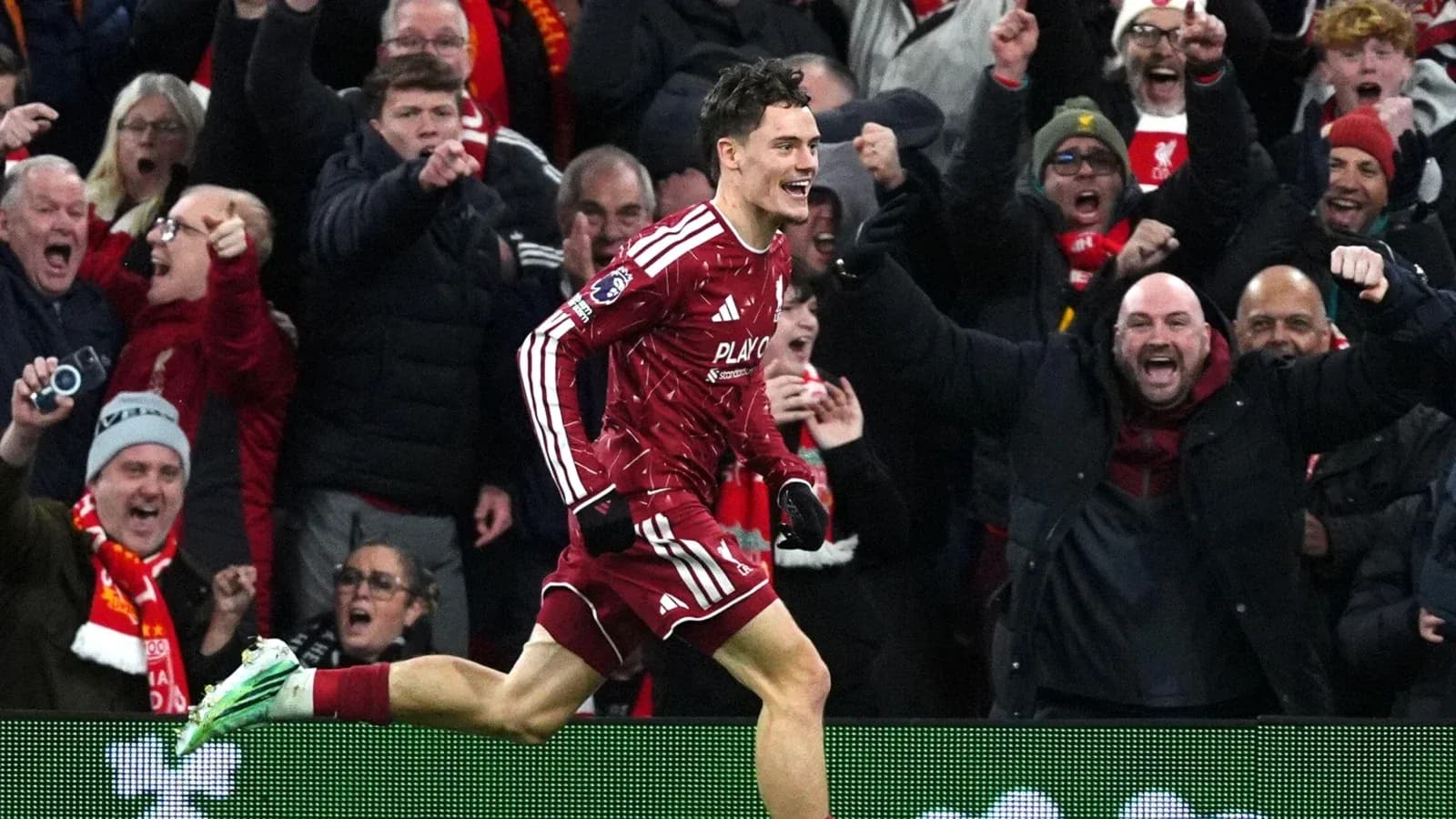
He was right. With Yoro sent off early, Liverpool controlled the game and still left goals on the table. Dominik Szoboszlai, Florian Wirtz, Ngumoha and Victor Munoz all found the net, yet the margin could have been brutal rather than merely emphatic.
“There is an area where we need to be more decisive, but that was not necessary for us today, and I think we finished the match well,” Iraola added.
The message was calm, but pointed. The performance was dominant. The finishing, across the attack, still has another level to reach.
Barcola sits at the heart of that conversation. His movement is already pulling defences apart. His acceleration is already creating high‑value chances. The numbers show he is constantly arriving where it hurts.
Now comes the part that will define his Liverpool story: can he turn those positions into goals often enough to match the fee, silence the doubts, and turn self-criticism into celebration?