Brendan Schaub's Take on Navajo Stirling's Career Choice
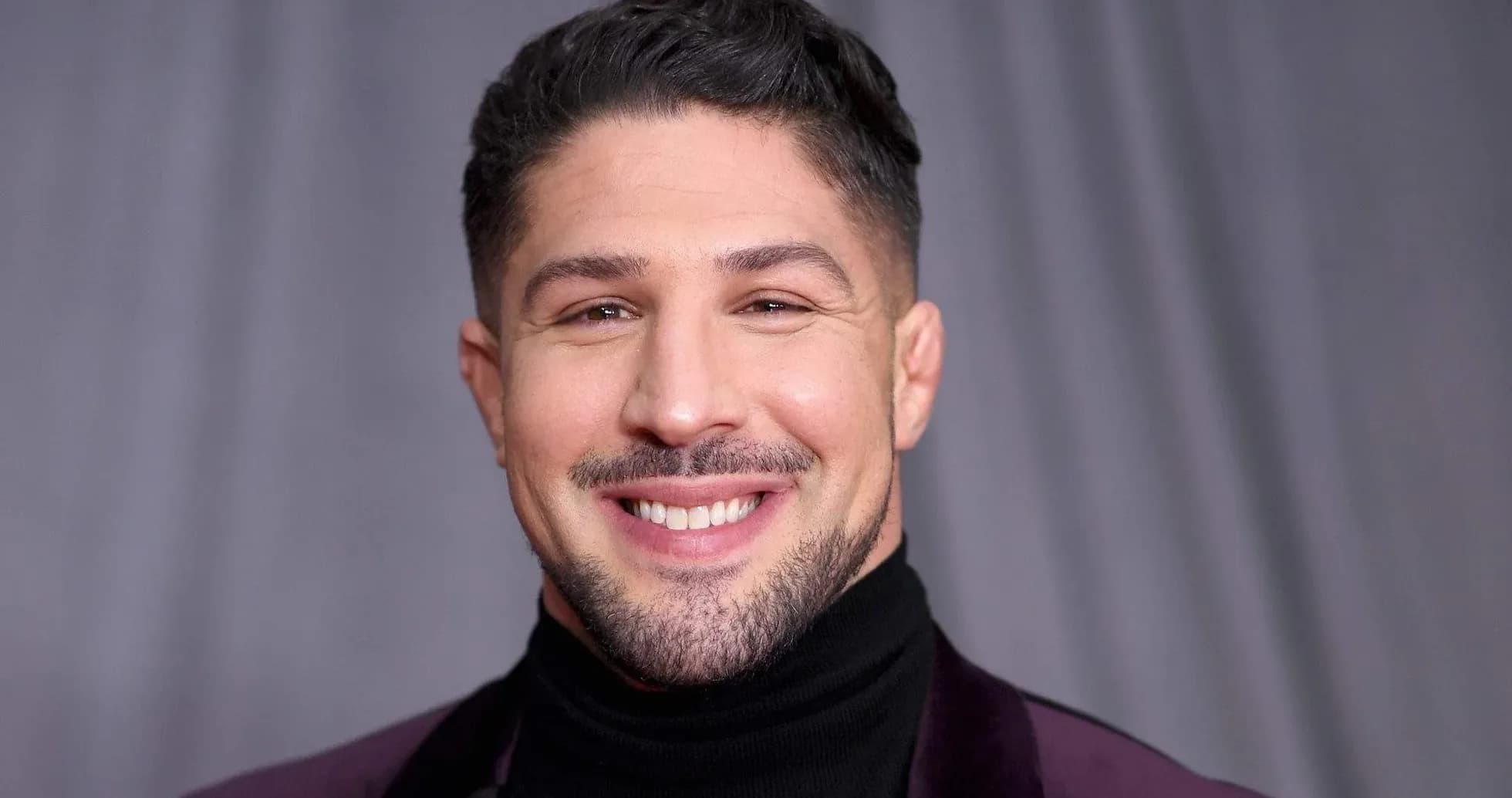
Brendan Schaub has never been shy with an opinion, and this time his message for Navajo Stirling cut straight through the post-fight euphoria.
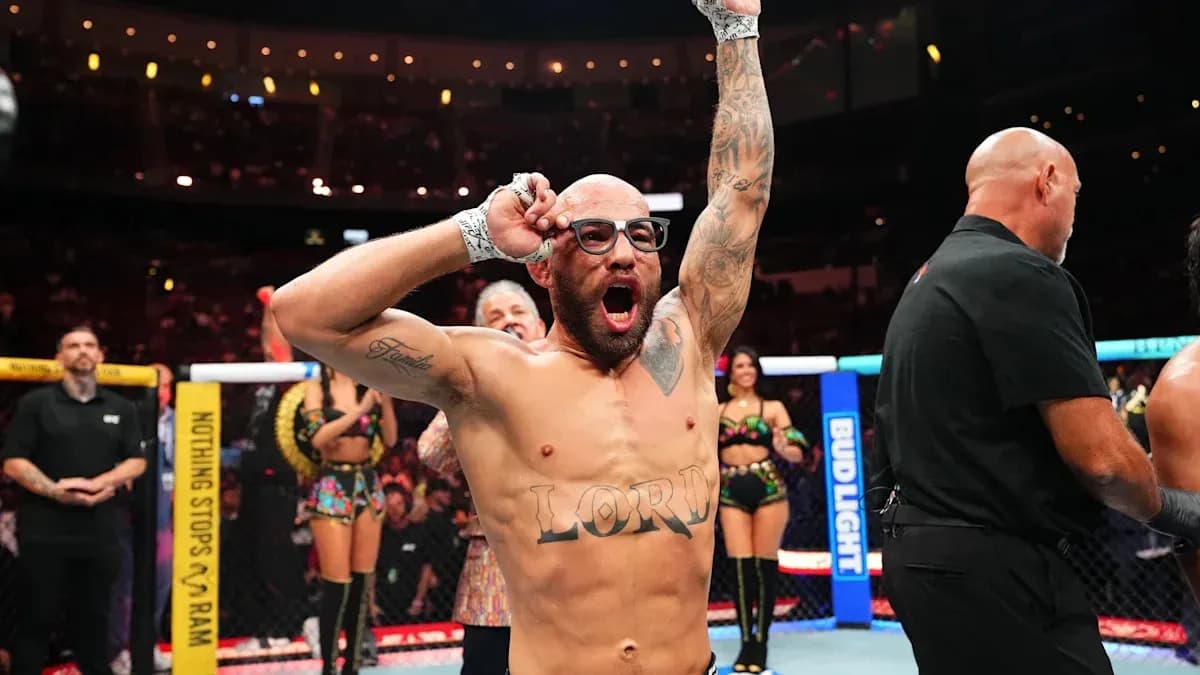
Stirling had just detonated his right hand on Jiri Prochazka at UFC Qatar, a knockout that announced him as a genuine force at light heavyweight. It was the kind of win that usually comes with a callout, a demand, a name. The belt. The champion.
Instead, he stayed quiet on one name in particular: his teammate, UFC light heavyweight champion Carlos Ulberg.
To Schaub, that silence wasn’t loyalty. It was a mistake.
“You’re on your own”
On his YouTube channel, the former UFC heavyweight laid out why he believes Stirling is mishandling the biggest opening of his career. In Schaub’s eyes, this is the moment to be ruthless, to say Ulberg’s name out loud, to chase the title even if it means stepping over a teammate.
He didn’t sugarcoat it.
Schaub framed it in brutally simple terms: when the gloves are hung up after a decade in the sport, the mortgage still needs paying, kids still need feeding, life still barrels on. That’s when, he argued, the romantic idea of “brothers in the gym” gets exposed by reality.
He painted a picture every fighter understands but few want to confront. The long career behind you. The phone in your hand. The bills piling up. And the realization that the teammate you protected on the way up is busy protecting his own family.
Schaub’s point was clear: the bond exists because they share a dream, a gym, a coach, a lane. Once that lane splits, contact fades. Maybe a birthday text. Maybe a holiday message. But no one’s wiring over money to cover your house note.
Not Ulberg. Not anyone.
A selfish sport, whether you like it or not
Strip away the delivery and Schaub’s core message lands hard: MMA is a selfish business dressed up in the language of brotherhood.
Fighters talk about teams, loyalty, and family, and in many ways those bonds are real inside the gym walls. They bleed together, they sacrifice together, they climb together. But when the cage door shuts, it’s one-on-one. Careers are short, windows are small, and title shots don’t wait for friendships to feel comfortable.
That’s why Schaub is pushing Stirling to think less like a good teammate and more like a future champion.
To him, this isn’t about disrespecting Ulberg or tearing apart City Kickboxing. It’s about understanding that everyone in that room is ultimately fighting for the same limited prize, and when the chance appears, you either grab it or watch someone else do it.
Schaub stressed that Ulberg has his own life to manage: his own mortgage, his own car payment, his own kids and responsibilities. He’s not the villain in this story. He’s just another fighter trying to secure his future. Which is exactly why, Schaub argued, Stirling has to do the same.
A crossroads for Navajo Stirling
Stirling now sits at a pivotal point in his rise. A statement knockout over a former champion like Prochazka doesn’t come around often. It changes the conversation. It moves you from “prospect” to “problem” in a single night.
That’s the kind of performance that usually gets cashed in with a direct call for gold.
Instead, he chose to leave Ulberg out of his mouth.
Schaub believes that choice could haunt him. The sport moves fast. New contenders appear. Narratives shift. If Stirling doesn’t push for that title shot now, someone else will happily jump the queue.
The advice from “Big Brown” won’t sit well with everyone. Some will see it as too cold, too transactional, too dismissive of the bonds that make great gyms what they are. But it comes from a place Schaub knows well: the other side of a fighting career, where nostalgia doesn’t pay tuition or buy groceries.
For Navajo Stirling, the question is no longer whether he belongs among the elite. He answered that in Qatar with a knockout.
The question now is sharper, and far less comfortable: when the belt is within reach, is he willing to risk a friendship to grab it?