Tyson Fury: Battling Inner Demons in New Documentary
Tyson Fury has spent a career walking into other men’s nightmares. The darkness he describes now is of a different kind.
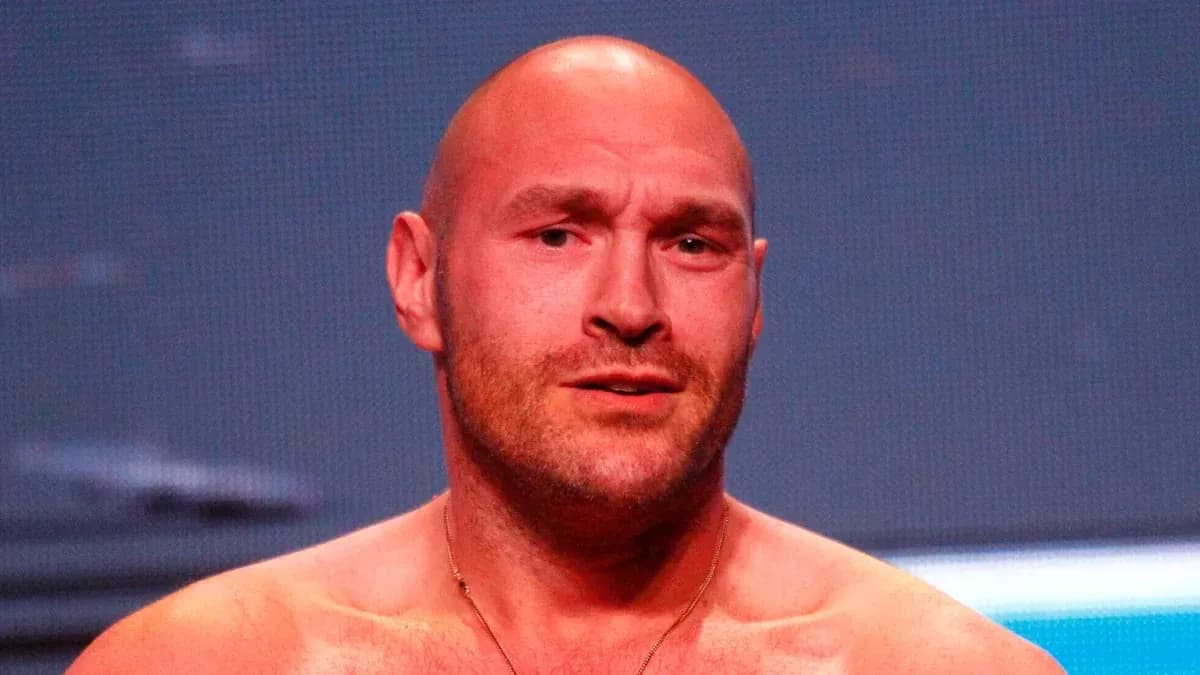
In a new Netflix documentary, “Tyson Fury,” the former heavyweight champion reveals he was diagnosed with schizophrenia and bipolar disorder at the height of his fame, describing a mental collapse so severe he feared he would “end up in a padded room with the door locked.”
This is not the usual redemption arc of a fighter who fell out of shape and clawed his way back. It is a man at the pinnacle of his profession discovering that the most dangerous opponent was waiting for him after the final bell.
The night the dream ended
The turning point is familiar to boxing fans. Düsseldorf, 2015. Wladimir Klitschko, the long-reigning ruler of the division, out-thought and out-fought by a brash, elusive giant from Manchester. Tyson Fury had spent his childhood and much of his adult life chasing that night.
“I achieved all my childhood dreams,” Fury, now 38 and a father of seven, says in the film. “And then when I finally beat this man, it was like my whole point of existence had been taken away.”
He had scaled the mountain. There was no higher summit. What followed was not celebration, but freefall.
Misdiagnosed and misunderstood
In 2016, the crisis boiled over. Fury was rushed to hospital, believing he was suffering a heart attack. The tests told a different story. Doctors concluded he had suffered a severe anxiety attack and diagnosed depression, bipolar disorder and mild schizophrenia.
“Words can’t explain the darkness I was in,” Fury says. “It’s like a living version of the pits of hellfire. And I 100% thought at times I’d end up in a padded room with the door locked, and that scared me so much.”
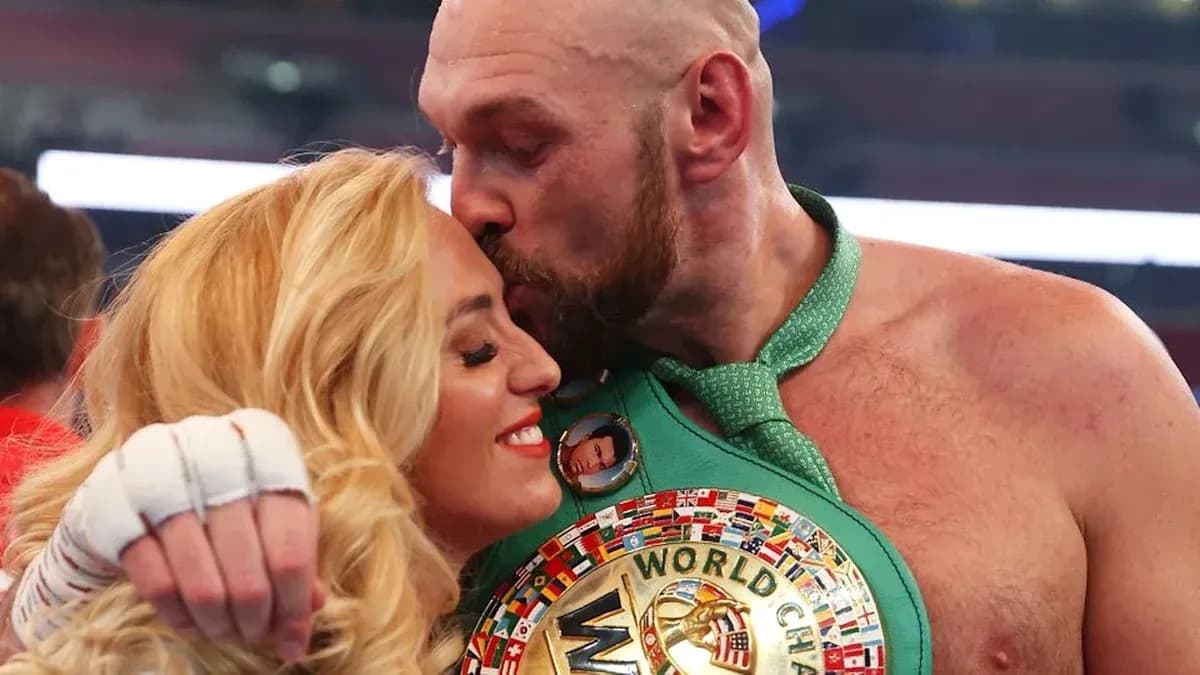
For his wife, Paris Fury, the language of psychiatry meant nothing at first. The symptoms, though, were painfully familiar.
“I’d never heard of ‘bipolar,’” she admits. When doctors broke it down — days of boundless energy and enthusiasm, suddenly replaced by total withdrawal — it clicked instantly. “Like wow, that’s him to a T.”
The diagnosis didn’t just put a label on his behaviour. It reframed years of chaos in their home.
Voices, paranoia and the Gypsy King
Fury, known worldwide as the “Gypsy King” in tribute to his Irish Traveller heritage, goes further in the documentary, detailing how his mind turned on him in the most frightening ways. He describes hearing voices and becoming convinced that shadowy forces were targeting his family.
“The radio starts talking to me, literally having a full conversation with me,” he recalls. “‘No one’s untouchable. We can get you at any time. You don’t behave yourself, we’re going to kill your father.’ So I’m thinking, ‘OK, you’re all involved.’”
The paranoia, he explains, felt as real as any punch he had ever taken. Only this time there was no referee to step in, no corner to throw in a towel.
His father, John Fury, looks back with a heavy sense of regret. A fighting man from a different generation, he admits he saw the signs but never truly recognised them.
“I can tell you this: When I look back, it’s always been there,” John says. “Me being who I am and no understanding of anything, I didn’t want to see a depressed kid — and if I did see it, I paid no mind to it. But I understand now. It’s an illness, a terrible illness. I suffer with it myself.”
In a family that made its name through toughness, vulnerability had been hiding in plain sight.
Halloween, rock bottom and the long road back
Fury says he drifted deeper into self-destruction until one night in 2017 crystallised just how far he had fallen. Out partying on Halloween, he caught a glimpse of himself that cut through the bravado.
“I thought I’d had the world in my hands. I threw it all away and now I’m just a fat mess addicted to alcohol,” he says.
That realisation marked the beginning of his fight back. Not to another title, at least not at first, but to basic health and sanity.
He stepped away from the ring for roughly two and a half years. The transformation that followed became one of boxing’s most talked-about comebacks: massive weight loss, a rebuilt body, a sharpened mind, and then the return to the bright lights.
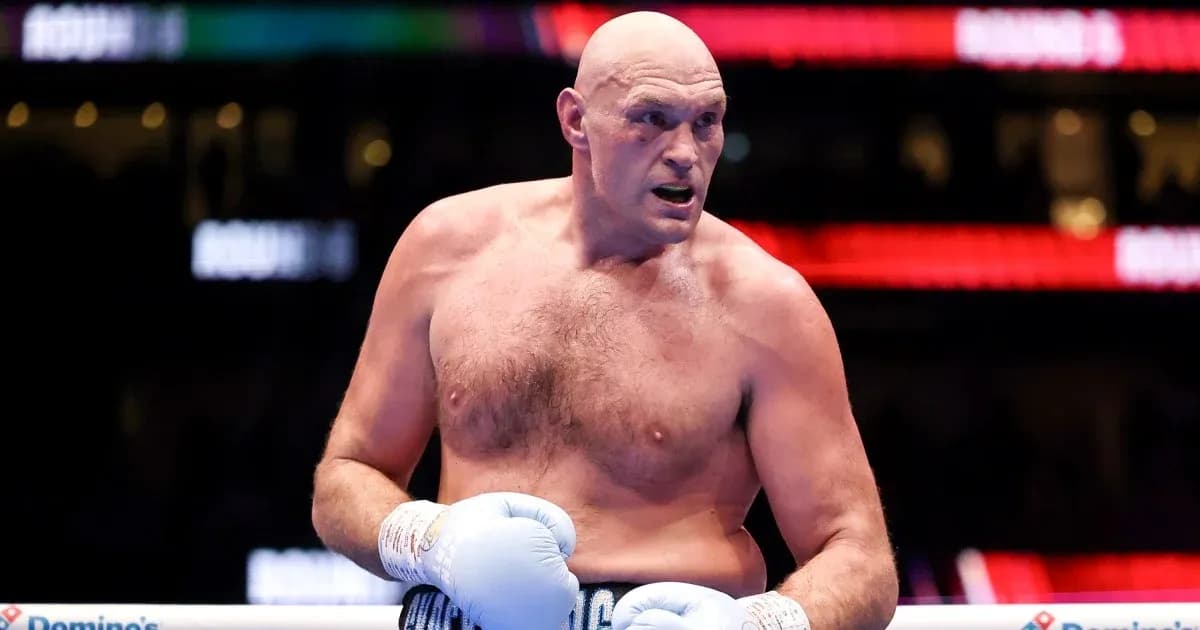
His trilogy with American puncher Deontay Wilder defined that second act. Two wins and a draw, knockdowns traded, reputations remade. Fury reclaimed world titles and, for a time, reigned again as the sport’s central heavyweight figure.
The later years and a lingering question
The story did not stay on an endless upward curve. Ukrainian technician Oleksandr Usyk outboxed him in back-to-back fights in 2024, stripping away the belts and, briefly, the illusion of invincibility.
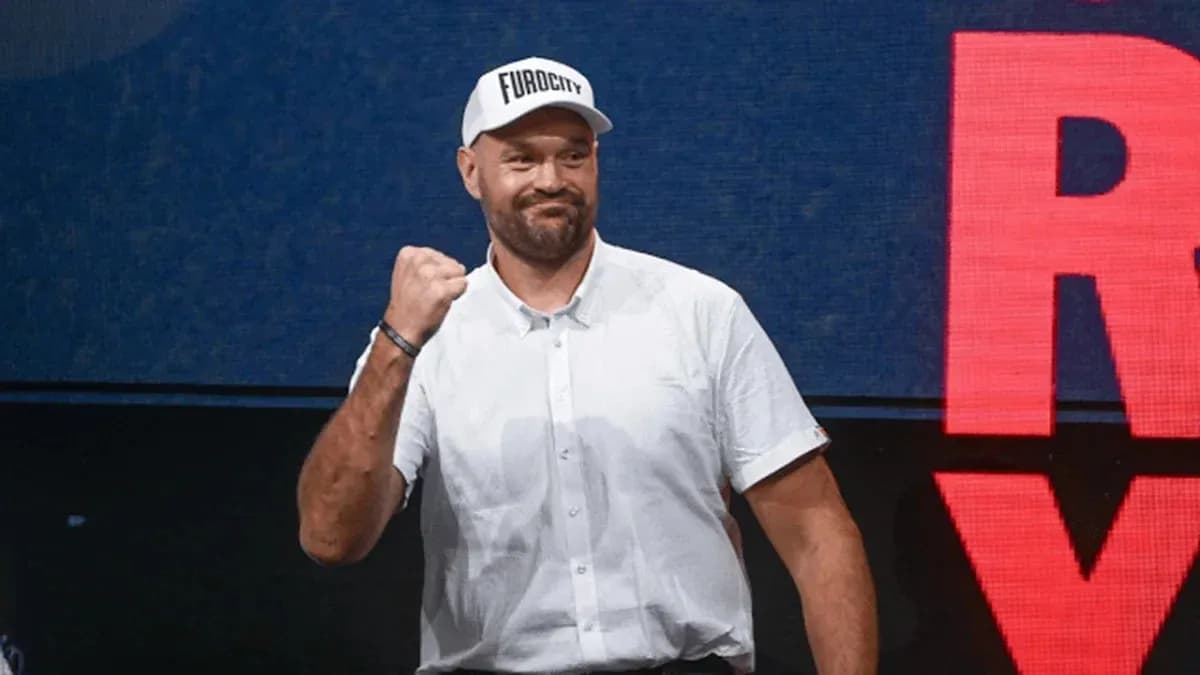
Fury announced his retirement in early 2025. It lasted about as long as most boxing retirements. He returned to the ring and has already banked two more victories this year, another chapter in a career that refuses to close neatly.
What the documentary makes clear is that the real narrative has never been confined to belts and scorecards. It runs through hospital corridors, whispered diagnoses, a terrified champion convinced his radio is plotting to kill his father.
Tyson Fury has always sold himself as a man who can get up off the canvas when everyone else thinks he’s finished. The question now is not whether he can do it again in a boxing ring, but how long he can keep winning the fight that no judge can score and no crowd can see.