Cricket's Legacy: Sandpapergate, Music Tributes, and Young Prodigies
The headlines in Australian cricket refuse to move on. Eight years after Cape Town, the ‘sandpapergate’ scandal still casts a long, awkward shadow, and once again administrators find themselves explaining what comes next and why.
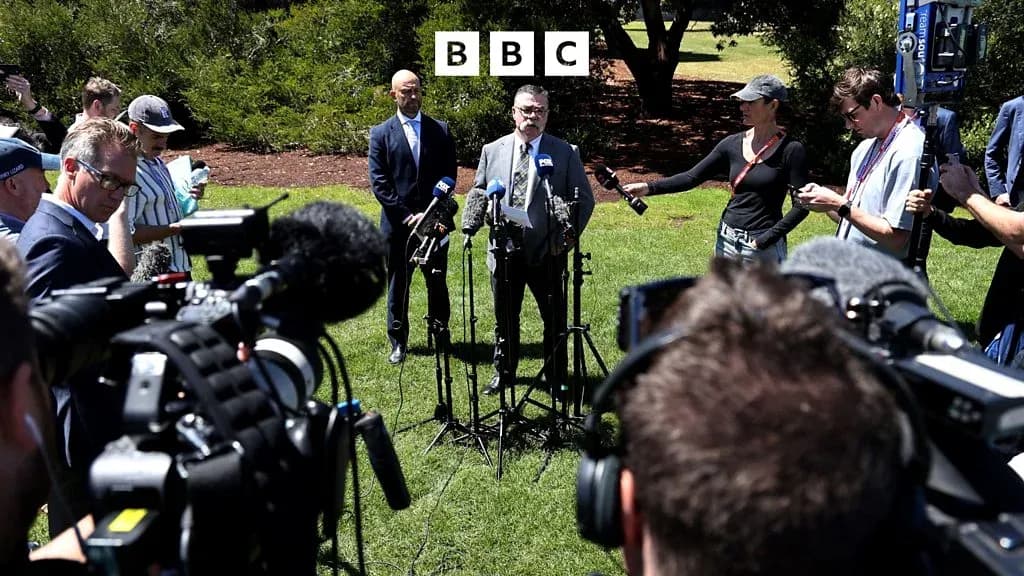
At Bellerive Oval in Hobart, Cricket Australia Interim Chairman David Boon stood at the lectern, with CEO Todd Greenberg just behind his shoulder, and drew a line in the sand. The 2018 ball‑tampering investigation will not be reopened. The punishments, the findings, the public outrage – all of that, he signalled, is staying on the record as is.
Yet this is not a case of shutting the door and throwing away the key. Cricket Australia will instead establish an independent forum, a space where players involved can finally give their full version of events. Not under the glare of a press conference, not in the heat of a tour gone wrong, but in a structured, legally framed environment.
What does that actually look like from the inside?
Sports lawyer Dr Catherine Ordway has spent years working around integrity probes and independent panels. She knows the cold mechanics behind the headlines – the interviews, the document trawls, the legal safeguards, the way testimony is tested and retested. For athletes and officials, it is rarely glamorous. It is often slow, exhausting, and deeply personal.
In a case like sandpapergate, an independent forum offers something different from a formal reinvestigation. It can allow players to speak more freely, to clarify timelines, to correct perceptions without the immediate threat of new sanctions hanging over every word. Done properly, it can help a sport move from raw scandal to a more honest understanding of what went wrong and how to prevent a repeat.
That is the path Ordway believes Cricket Australia must now walk: protect the integrity of past processes while still acknowledging that not every voice was fully heard at the time. The challenge is obvious. Reopening the wounds risks another round of public anger and internal division. Refusing to listen risks cementing mistrust. The independent forum is the tightrope in between.
While administrators wrestle with the legacy of one of cricket’s darkest episodes, the game’s emotional core beats on in very different ways.
Far from boardrooms and legal briefings, country music and cricket have found an unlikely harmony. The Wolfe Brothers – Nick and Tom Wolfe – have released a new track dedicated to the late Shane Warne, titled “Wizard of Aus (Warnie’s Song)”. It is a tribute born not from marketing meetings but from genuine affection for a player who blurred the line between sporting icon and cultural phenomenon.
Warne’s story has been told countless times in statistics and highlight reels. The Wolfe Brothers approach it from another angle: the feel of his presence, the way he seemed to bend moments to his will, the sense that something outrageous might happen every time he had the ball in hand. Their involvement with the Shane Warne Legacy gives the song an even deeper weight, turning nostalgia into something active and personal.
Cricket thrives on that duality. On one side, the hard edge of governance, sanctions and integrity units. On the other, the romance of memory, music, and myth.
And then there is the future – written not in legal documents or tribute tracks, but on the scoreboards that keep needing new columns.
Vaibhav Sooryavanshi, just 15, has carved his name into the record books yet again. Another record, another reminder that cricket’s ceiling keeps rising for those bold enough to chase it. Each landmark he reaches forces a fresh question: how high can he go, and how much more can a teenager realistically carry?
The sport has always loved its prodigies, from schoolboy sensations to under‑age phenoms who seem to treat milestones as stepping stones. Sooryavanshi’s latest feat adds to an ever‑expanding list of records that once felt out of reach. The numbers are impressive on their own. The context – his age, the frequency with which he is rewriting history – makes them startling.
So the game stands at an intriguing crossroads. A governing body in Hobart tries to tidy up the loose ends of a scandal that refuses to fade. Musicians pick up guitars to honour a legend who changed what spin bowling – and cricket celebrity – could be. A 15‑year‑old keeps stretching the boundaries of what is possible.
Integrity, legacy, and potential. All colliding in the same sport.
The question now is not whether cricket can handle that mix, but who will shape it next.