Ferrari's Vasseur Critiques Leclerc for Hamilton Clash in Vegas
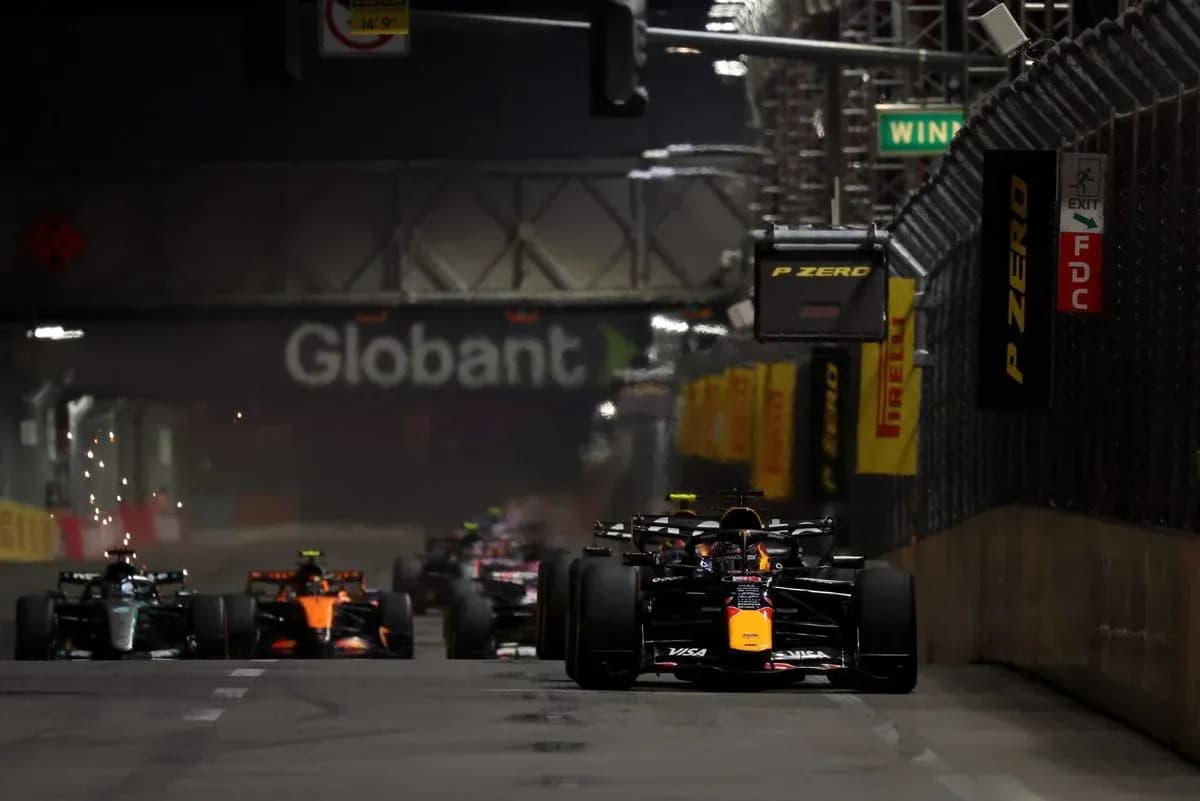
On a night built for spectacle under the neon glare of Las Vegas, Ferrari’s drama played out not on the Strip’s billboards, but in the team radio and the debrief room waiting at the end of it.
Fred Vasseur had seen enough.
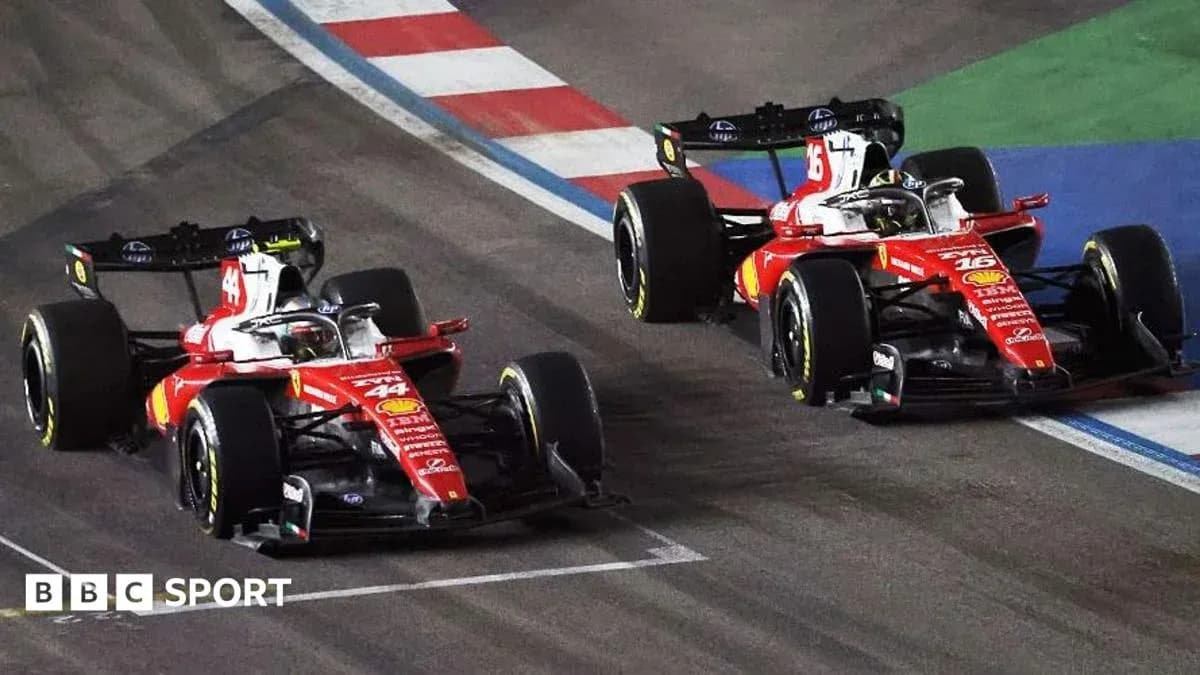
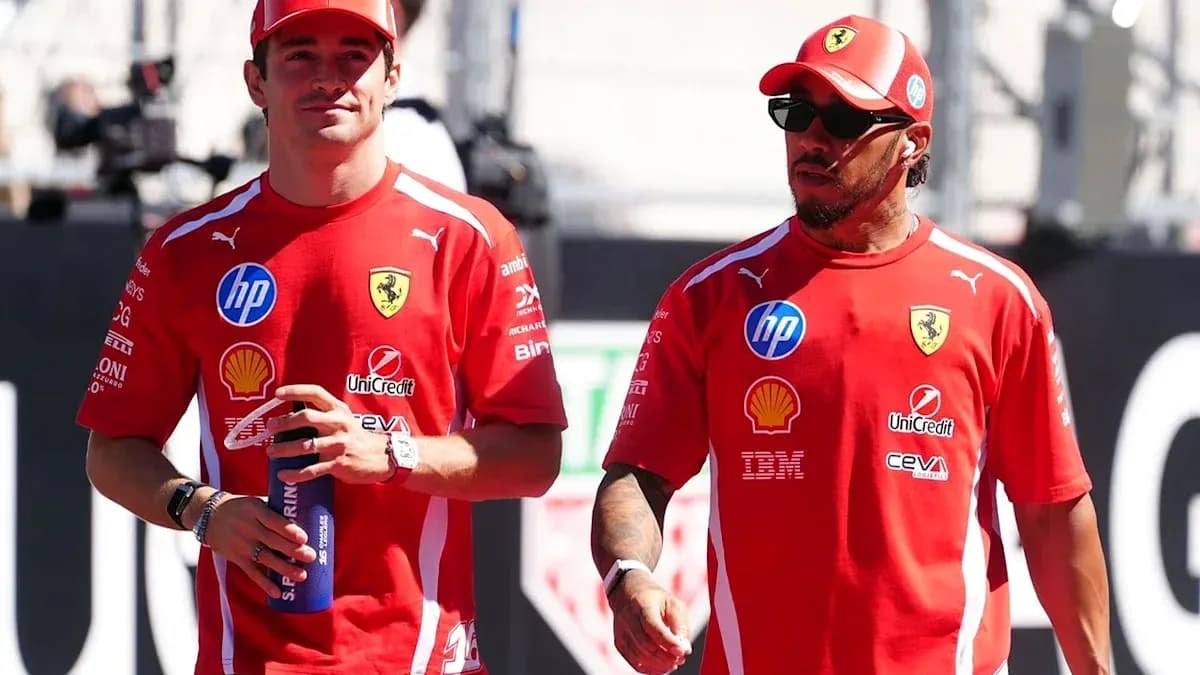
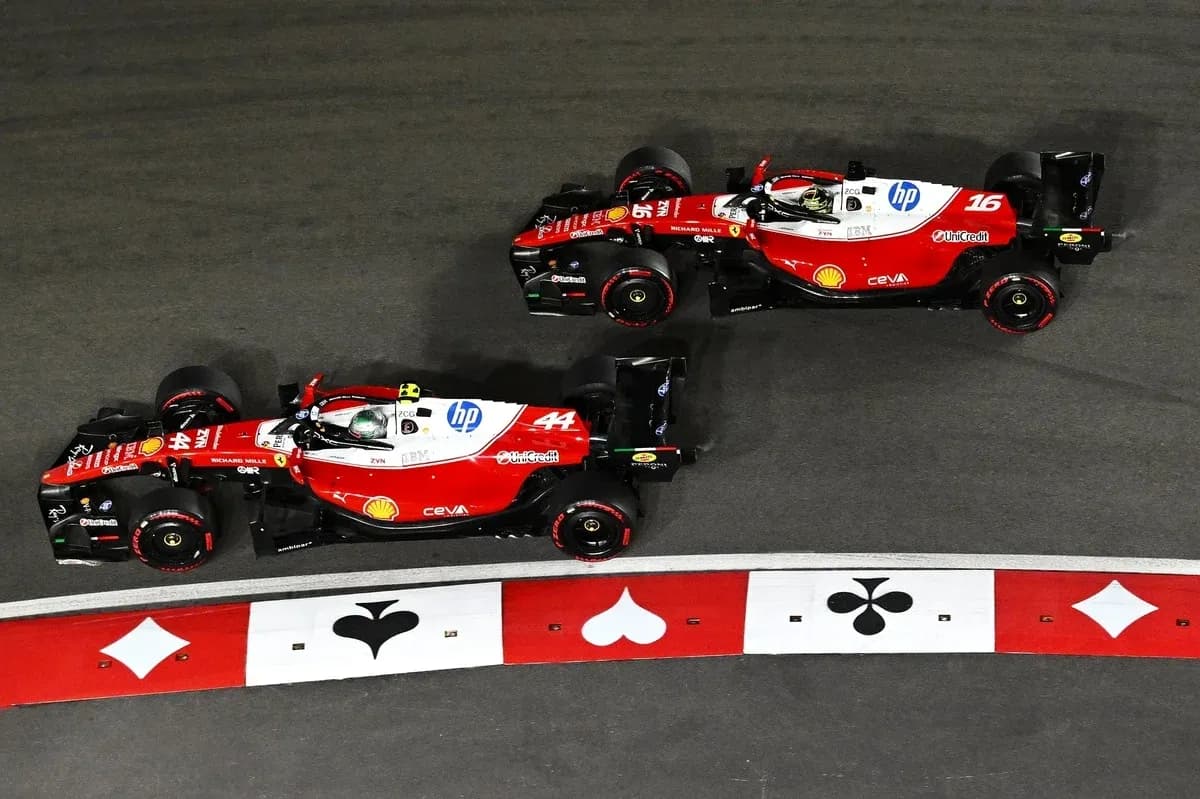
Three weeks after hauling his drivers into crisis talks over their Mexico run-in, the Ferrari team principal was back in the same place, for the same reason. This time, the flashpoint came on lap 38, when Charles Leclerc lunged and clipped Lewis Hamilton, leaving the Mercedes spinning and Ferrari’s boss seething.
Leclerc misjudged it. He left his front wing hanging on the inside of Hamilton, tagged the Briton, and triggered a clumsy spin. The stewards handed Leclerc a 10-second penalty. Hamilton dropped to 10th before recovering to eighth. Leclerc, punished post-race, was classified 10th.
For Vasseur, the result was only half the story. The pattern was the real problem.
As the Ferrari rolled around on the cooldown lap, the team radio crackled with something closer to an order than a request.
“Charles, I want to see you at the end of the race, before anything else,” came Vasseur’s message. No warmth. No ambiguity.
Later, when asked how that conversation had gone, Vasseur’s answer cut through any suggestion of a two-way exchange.
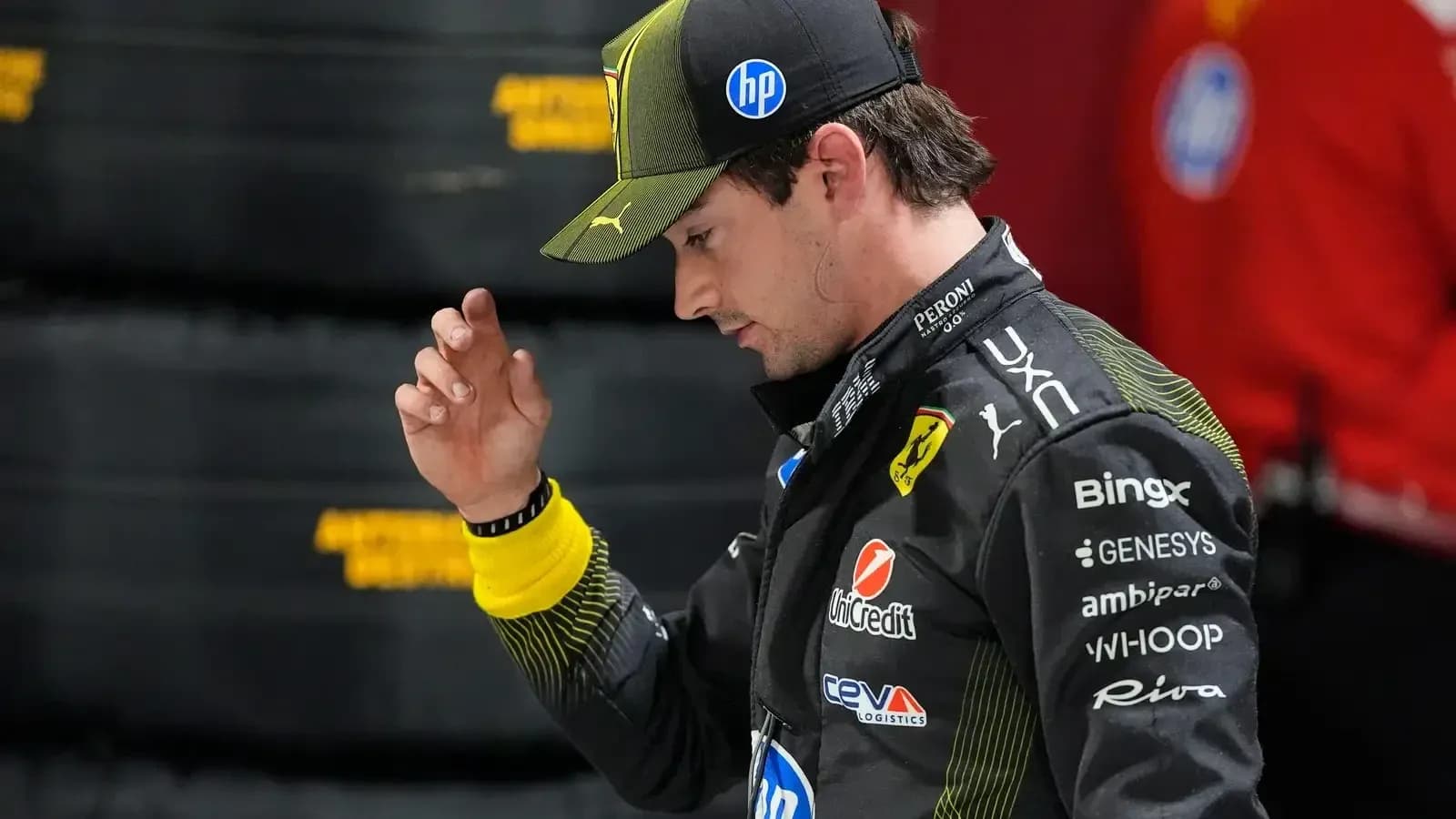
“It was not a discussion. I spoke,” he said. Leclerc, he explained, had apologised and accepted fault. That did not soften the blow. “I think he apologised, he understood, but the result is there. You make a mistake, you say: ‘My mistake, I’m sorry’. But you still made a mistake.”
The Frenchman did not stop there. He framed it not as a simple racing error, but a breach of something deeper.
“It’s unacceptable. It’s a lack of respect for the team, for the sponsors, the same speech as after Mexico. I think we had a clear discussion in Sao Paulo. Today it wasn’t professional. I think it’s probably the escalation of tension.”
That word – escalation – hangs heavy over Ferrari now.
Las Vegas demanded cooperation as much as courage. The slipstreaming, pack-style racing meant team-mates had to trust each other, work together to slice through traffic, and still race hard without crossing the line. Every move carried risk; every misjudgment, a bill for the team to pay.
Ferrari had already warned Leclerc about how aggressively he was squeezing Hamilton. Complaints from the Mercedes side only underlined that the duels were getting too close for comfort. The race then offered a brutal reminder: between Leclerc and Hamilton, trust is thin, if it exists at all.
“We passed the message to Charles during the race to think about the team when he was fighting in the right way,” Vasseur said. The problem? There is no safe way to simply lock in positions on a night like this.
“You can’t freeze the position on this kind of race, because you are in the slipstream. If you slow down, the guy who is behind you is overtaking you. And all the other teams were able to overtake each other 20 times during the race.”
He knows how that looked back at Maranello.
“You can’t imagine the frustration for me, but more important for all the guys at home.”
The obvious question followed: is it time for harder rules, stricter team orders, some kind of codified ceasefire?
Vasseur pushed back.
“It’s not a matter of rules. What can you do differently, except that you have to respect your team-mates. In this kind of race, you have to overtake the car in front of you. You can’t stay behind. It’s completely unmanageable. You just have to do it with respect when it’s your team-mate, to take less risks. They just have to act in a professional way.”
That is the heart of his frustration. The lecture has already been given. Mexico to Brazil was supposed to be the reset. Sao Paulo brought what Vasseur called a “clear discussion.” Yet here he is again, talking about respect, professionalism, and the same avoidable damage.
Behind the sharp words sits a hint of helplessness. What more can a team boss do when the message has been sent, received, and apparently ignored?
“That's why I want to once again have a discussion tomorrow,” he said. “And also, to try to digest the situation. I think it's not the right place to discuss with them two minutes after the race. I saw Charles a bit down. And I told him what I have to say. I've got to discuss it with him tomorrow.”
Ferrari leaves Las Vegas with points on the board, but a bigger deficit in something less tangible: internal trust. The car can be repaired, the front wing replaced. The question now is whether Vasseur can mend something far more fragile before the next flash of red turns into another flashpoint.