Max Verstappen Dominates Las Vegas Grand Prix
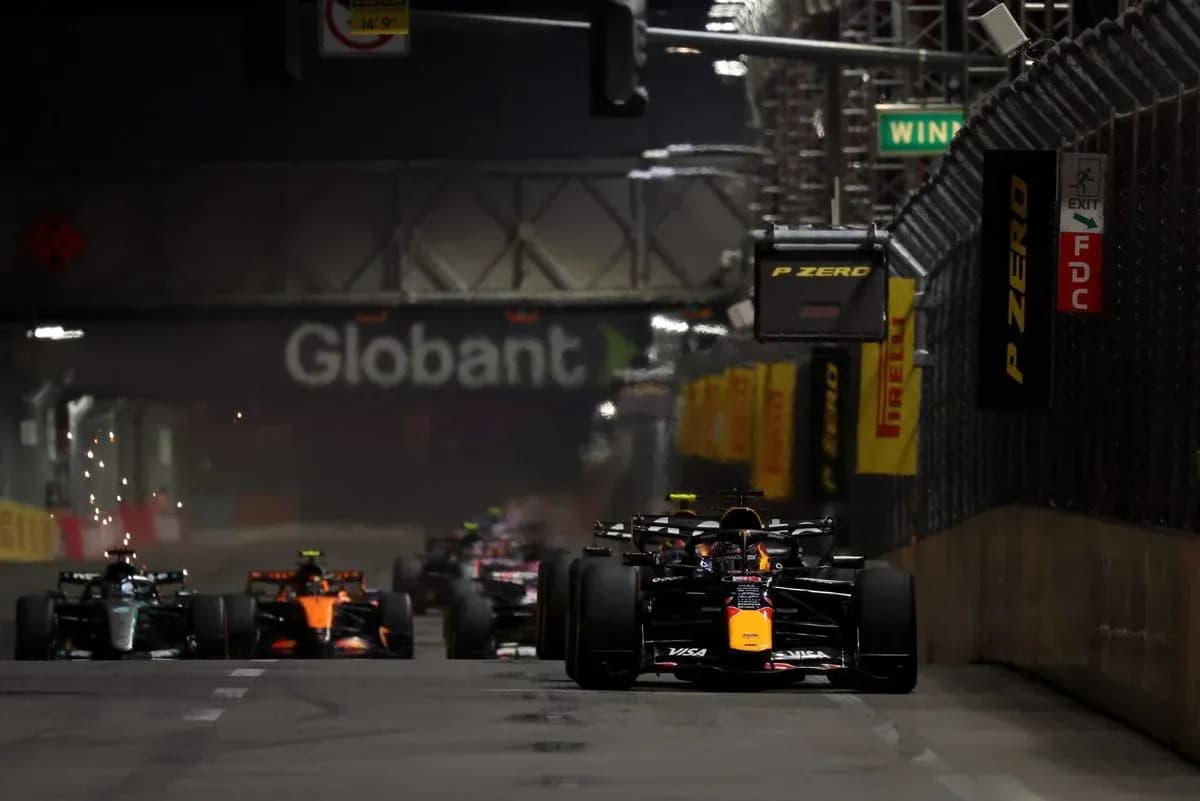
Max Verstappen walked out of Las Vegas with the kind of weekend that buries debate. The pole position might have come via Kimi Antonelli’s penalty and a hefty tow from the Mercedes, but the race told the real story. Verstappen led more than 90% of the grand prix by distance, barely offering his rivals a sniff while chaos and opportunity swirled behind him. On a night when others proved just how easy it was to get it wrong, he simply didn’t.
The elite: Verstappen, Sainz, Gasly, Norris, Piastri
This was the top shelf. Verstappen sat alone in terms of control, but Carlos Sainz, Pierre Gasly, Lando Norris and Oscar Piastri squeezed everything they could out of a wild race.
Sainz’s weekend was built on resilience. A penalty shoved him down the order, yet he attacked the opening lap with precision and never let go of the points fight. He dragged his Williams into eighth place and, crucially, did it as the only driver to score from outside the quickest six teams. In a field this tight, that’s a statement.
Gasly produced something similar in an Alpine that needed a sharp, error-free hand. He stayed in the orbit of the faster cars all evening and converted that persistence into a strong fifth place. No fireworks, just a clean, composed drive in a race that punished the slightest misstep.
McLaren’s duo belonged in this company as well. Norris set the tone in qualifying with a sharper performance than Piastri, then turned that into a podium. Piastri’s route was far messier, but arguably more impressive. A grid penalty dumped him to 17th, yet he still came through to finish right on Norris’s tail. The climb through the field, under pressure and in traffic, pushed him into this top bracket.
Colapinto and the solid core
Franco Colapinto matched his best grand prix finish with sixth, closing out a strong weekend with a controlled race. He didn’t quite have Gasly’s edge over a lap or in race craft, which keeps him a tier lower, but the fundamentals were there: tidy, efficient, effective.
Behind that, the midfield was stacked with competent but imperfect efforts.
Ollie Bearman started from the back thanks to a penalty and still dragged his Haas up to 13th. Given the car beneath him, that was about as far as the machinery would allow. More importantly, he did enough to hassle the Audi pair and help protect Haas’s grip on seventh in the constructors’ standings.
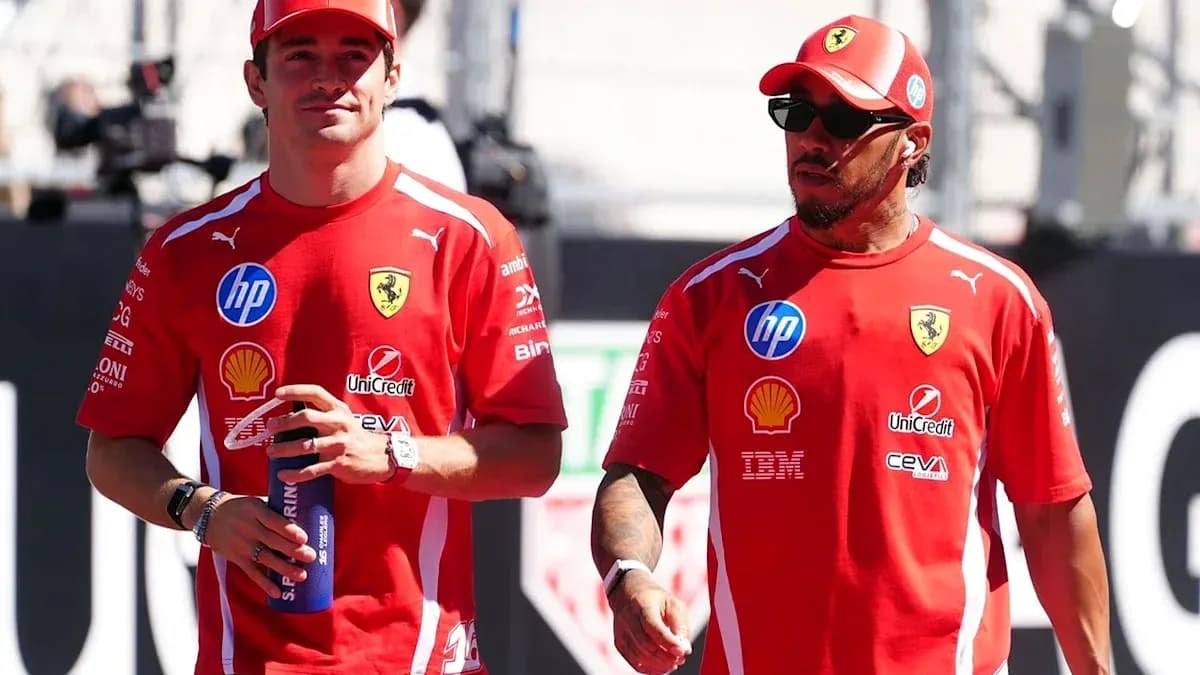
Lewis Hamilton and Isack Hadjar both saw promising weekends wrecked by a combination of misfortune and penalties that, while not brain fades, still count. Hamilton’s qualifying effort came with floor damage, yet he delivered. In the race, he looked sharp until Charles Leclerc tipped him into a spin. The 10-second penalty for gaining an advantage off-track, though, sits on his side of the ledger. He could have avoided it by handing the place back after cutting the corner to avoid contact.
Hadjar, meanwhile, had the pace to fight for the win. He ran right in the heart of the lead battle but misjudged the “backing-up” game under the safety car. That decision earned him a 10-second penalty that would have killed his result even if his front wing hadn’t become an issue. On raw performance he should have been on the podium at worst, maybe standing on the top step. Instead, the race slipped through his fingers.
Liam Lawson’s numbers don’t tell his story. He qualified a respectable eighth, though still two places behind Racing Bulls team-mate Arvid Lindblad, then saw his race torn apart by a fuel leak that cost him a lap. The safety car gave him that lap back, but not enough time to rejoin the pack. From there, climbing to 14th was a quietly impressive but ultimately pointless salvage job.
Audi’s weekend felt like a missed half-chance. Gabriel Bortoleto battled various problems and Nico Hulkenberg delivered solid work, but both left the suspicion that a minor points finish was there if they had matched Sainz’s racecraft. Instead, they sit in the middle ground: decent, not decisive.
Fernando Alonso’s situation was harsher. The Aston Martin offered him almost nothing, and power unit problems made it worse. Within that bleak picture, he still pieced together a respectable weekend, though judging his true level in such a hopeless package is difficult.
Rafael Camara’s name sits in this cluster as well. He trailed Haas team-mate Bearman on pace, but context matters. With limited experience and a trip into the wall courtesy of Sergio Perez, he steadied himself and produced a professional, tidy run.
Lance Stroll and Valtteri Bottas did little wrong and little remarkable. Both lacked the underlying speed of their team-mates, both avoided major mistakes, and both leave Vegas filed under “underwhelming but competent.”
Antonelli joins this group for one reason that matters more than the rest: misjudgement at a key moment. Lifting when he did, under these regulations, was always going to be costly. It cost him a shot at victory. Pole position, inherited or not, still deserves credit, though he himself admitted the monster tow owed as much to circumstance as design. Strip that away and his raw qualifying pace looked solid rather than spectacular.
Alex Albon sits here almost by misfortune alone. No tow in qualifying, no chance to start the race because of brake problems. His weekend was ruined before it had a chance to breathe.
The costly errors: Perez, Russell, Leclerc, Lindblad
At the sharp end of the criticism come the drivers whose own mistakes dragged them down.
Sergio Perez not only compromised his race with significant errors but also picked up a five-place grid penalty for the next one. In a field this tight, that’s a heavy price to pay.
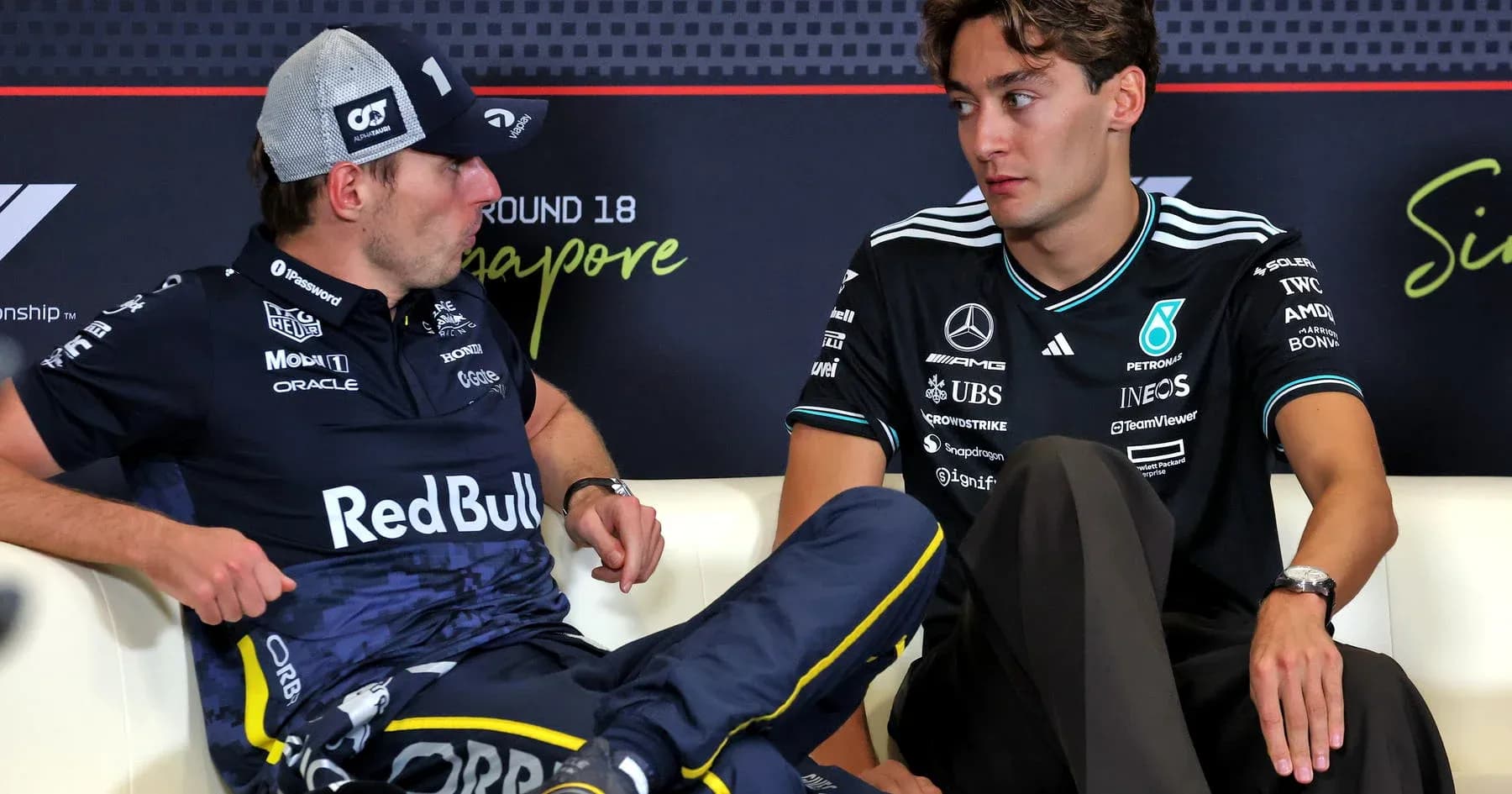
George Russell will look back on Vegas as a win that slipped through his hands. He had the speed, diced repeatedly with Verstappen and tried to position himself for the late-race shootout. He never made it. First he dropped behind team-mate Antonelli, then came the Turn 5 mistake that put him in the wall. Ninth place, in a race he could realistically have won, tells its own story.
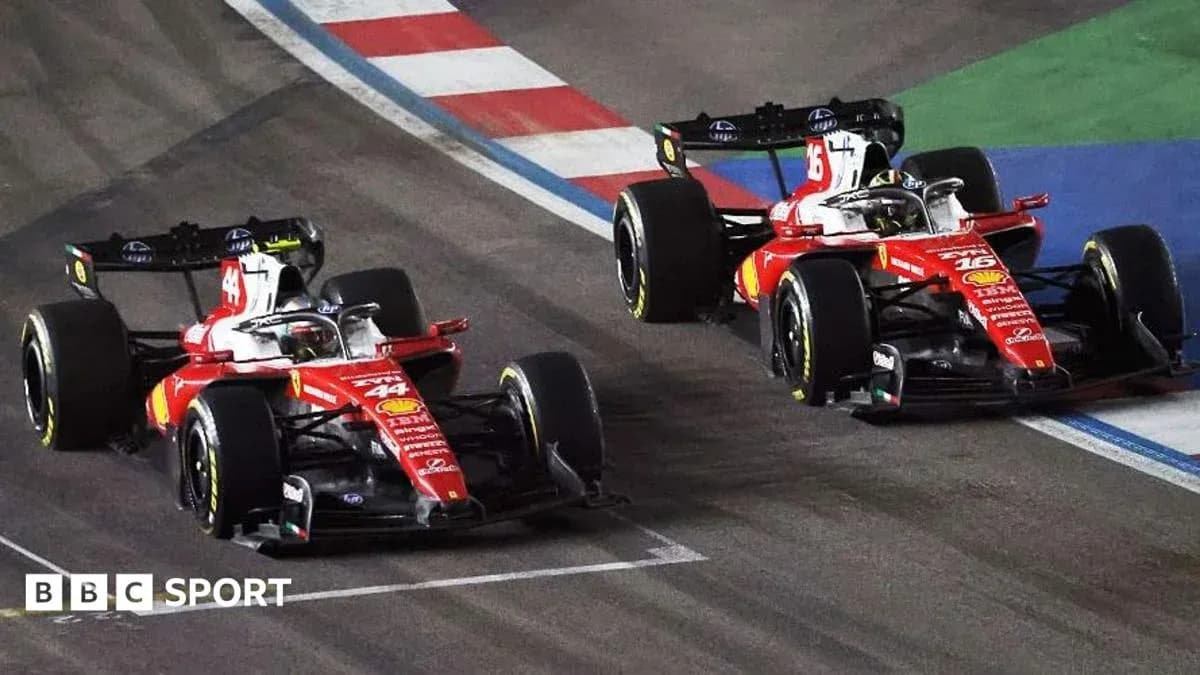
Leclerc’s night was even more exasperating. When Ferrari needed unity, he attacked Hamilton instead of cooperating. That choice, combined with a qualifying performance that lagged behind Hamilton’s despite a downforce advantage, turned the weekend into one he will want to erase quickly.
Lindblad’s race was the harshest lesson of all. So much of what he did in Las Vegas was excellent: pace, positioning, race sense. Then came the spin under the safety car. A rookie error, he called it, citing a bad shift, but at this level the responsibility sits squarely with the driver. One moment, one mistake, and a big result disappeared into the neon desert.
Vegas exposed everyone. Some rose with it, some survived it, and some left knowing exactly where they fell short. The next race will show who actually learned.