Forrest Li’s Vision for Singapore Football: A Bold Move as FAS President
Forrest Li has been called “crazy” before. Building a tech giant out of an online gaming company did that. But in Singapore football circles, the moment that truly raised eyebrows came when the Sea founder agreed to become president of the Football Association of Singapore (FAS) in April 2025.
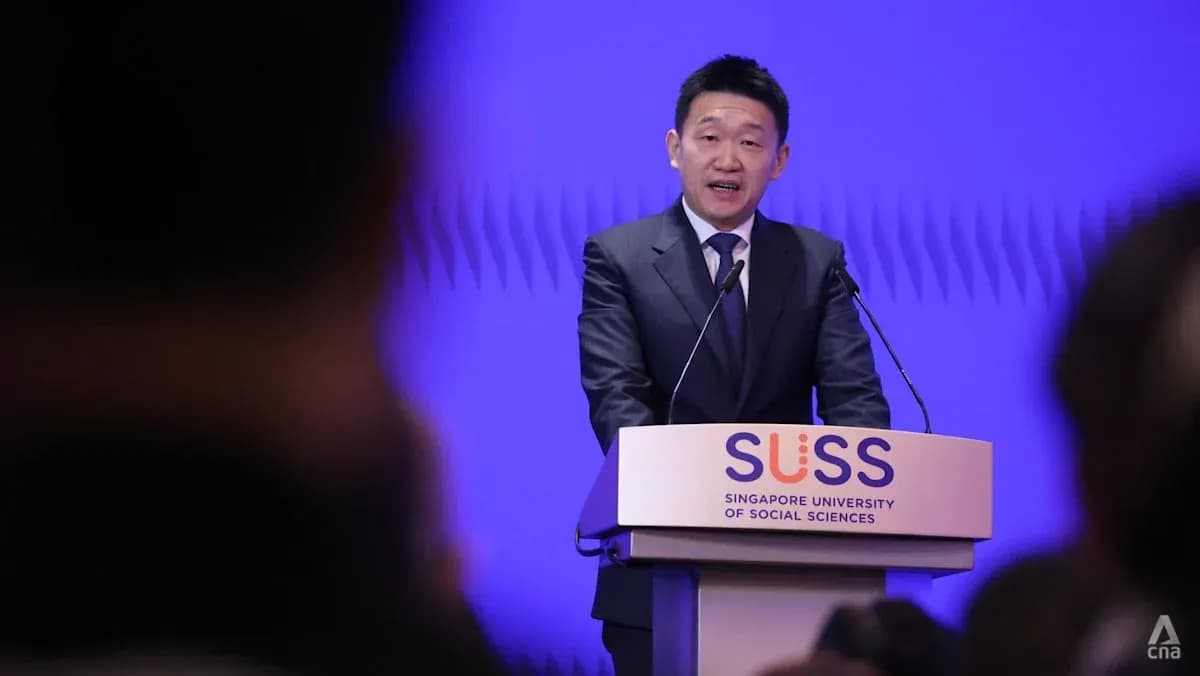
On Wednesday, speaking at the Singapore University of Social Sciences’ JY Pillay Distinguished Speakers Series, Li laid out exactly why he ignored the chorus telling him to walk away.
From boardroom to Bishan
Li’s decision, he said, grew out of his stint as chairman of Lion City Sailors from 2020. That period, with its investment, structure and ambition, convinced him that Singapore football can move when it is properly backed.
“My time with the Sailors showed me the progress that can happen when football is given the right support,” he told the audience.
If that model could be scaled, he argued, it could do more than win matches. It could restore something he feels the country has lost: the emotional pull of the national game.
“If we could do the same on a larger scale and bring that pride and joy back to national football, it would be an incredible act of service for Singapore.
“For this country that welcomed me when I was nobody, that made me feel like I belonged, that nurtured my success from day one, I felt like I had to give it a shot.”
Many told him not to. The role is thankless, the scrutiny relentless, the results uncertain. He took it anyway.
Chasing the roar of Kallang
Li spoke with the zeal of a convert, but also with the nostalgia of someone who has listened closely to local fans.
He recalled conversations about the heydays of Singapore football: ticket queues snaking around stadiums, stands packed to the rafters, the “Kallang Wave” rolling around the National Stadium as a shared ritual of noise and belonging.
“In Singapore’s history, for quite a long period of time, economic growth was the root of what makes people feel proud, feel happy, feel satisfaction,” he said.
That story, he suggested, no longer works in the same way for a younger generation born into a polished, high-functioning city-state.
“But if you think about our kids, the younger generation – when they were born, they see Singapore is already kind of a perfect world. You have the best airport, best highway, best everything.
“Then where is their satisfaction coming from? Where is their national pride and the sense of unity? What is the common memory they can have, they feel proud of as a Singaporean?”
For Li, the answer is clear. Football can be that common memory.
“You don’t see any other kind of events that can really pull people together and have that common memory and that common emotion,” he said.
A Champions League final, a pop star and a race against time
The romance of football is one thing. The reality of running it is another.
Li lifted the curtain on one of his first big tests as FAS president: staging the Lion City Sailors’ AFC Champions League Two final in May 2025.
The National Stadium is Singapore’s only AFC-compliant venue. It was already booked — for a Lady Gaga concert.
So the Sailors and local organisers had a problem: a continental final to host and no stadium ready to meet the confederation’s standards.
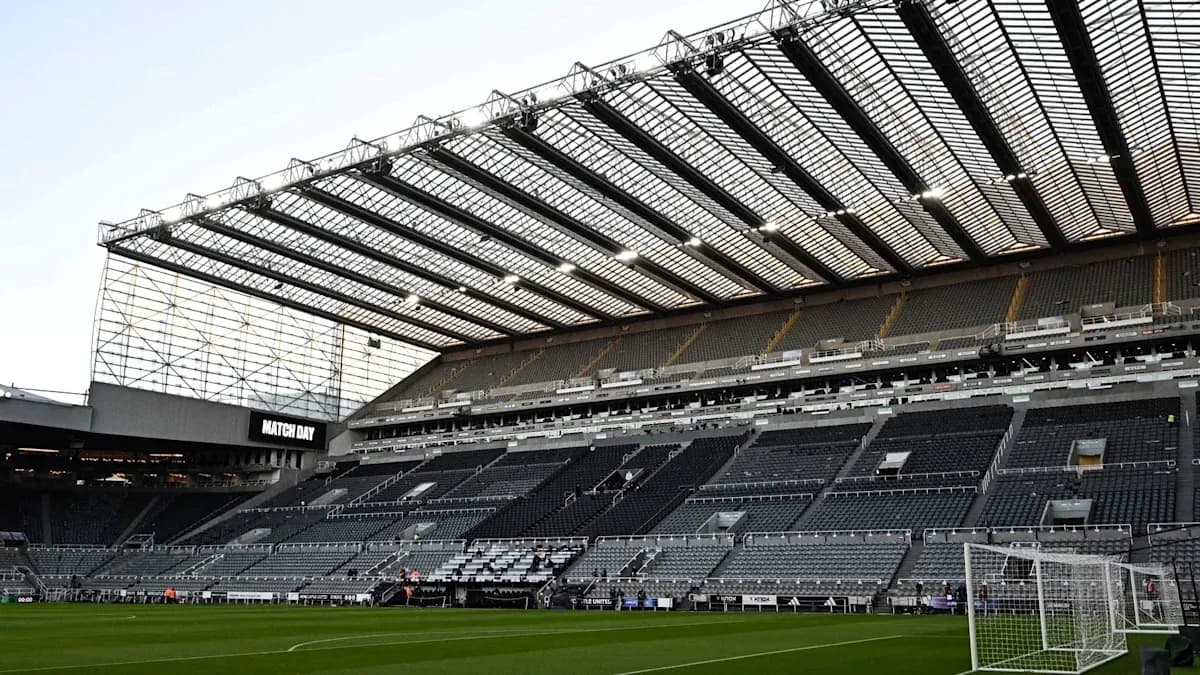
The solution bordered on the absurd. Over 100 workers were thrown into a three-week sprint to turn Bishan Stadium, a modest neighbourhood ground, into an AFC-compliant venue.
They made it. The final was played there on May 18, 2025. The Sailors lost on the pitch, but Li insisted that nobody walked out of Bishan feeling beaten. The night, with its improvised grandeur and packed stands, showed him what the game can still mean here when the stakes are high and the lights are bright.
“Crazy moves” and the Sea playbook
Li knows all about improbable bets.
At Sea, he pushed the company from online gaming into e-commerce with Shopee, then into digital financial services with Monee, and then out of Southeast Asia into Brazil. Each step looked reckless at the time.
“Crazy moves only look good in hindsight, after success has come,” he said.
He described those decisions as “unintuitive and risky” – launching Shopee as a mobile-first platform when many were still desktop-focused, then driving it into new territories far from home.
For Li, that mindset is not just a business tactic but a philosophy.
“That’s why staying hungry and staying foolish is essential to the entrepreneurial spirit. If you know how hard something is going to be from the start, you may not do it at all.
“But if you are foolish enough to begin, and you have that hunger and determination to just keep going, no matter what, you can overcome any challenge.”
It is the same logic he now applies to Singapore football: if you only looked at the obstacles, you would never start.
Fighting on new fronts: “shoppertainment” and speed
The questions from the floor reminded Li that his corporate battles have not eased.
Audience members pressed him on the rise of content-driven marketing, or “shoppertainment”, and the squeeze from rivals offering rock-bottom prices.
He responded with a clear line: Shopee is leaning into content, not running from it. Short videos and discovery-based browsing, he said, will sit alongside traditional search-led shopping, and eventually the two will blend.
On price wars, he pointed to logistics as Shopee’s real battleground. The company wants to win not only on what things cost, but on how fast and reliably they land at the customer’s door.
A foreigner’s bet on Singapore
Li’s story is not just about corporate risk or football ambition. It is also about what Singapore did for a young entrepreneur who arrived from China in 2006.
He recalled the shock of receiving a grant from the Economic Development Board in 2010 to support his startup, describing it as “unbelievable” for a foreigner at the time.
Asked about immigration, he made his position clear: he hopes Singapore stays “open-minded”, with policies shaped by social and economic impact rather than fear.
With a small domestic market, he argued, staying plugged into the world is “very, very important”. Size, in his view, can be a weapon.
“Being small also gives us a big advantage. When enough of us believe in something, we can band together quickly and move forward with great unity. Our founding leaders knew this,” he said.
That belief now underpins both his tech empire and his football project.
“My wish for Singapore is that we, as a people, will also make this mindset a part of enduring culture. That we will always stay hungry, and stay foolish.”
The question now is whether that same appetite for risk and unity can turn packed nights at Bishan into a new generation’s Kallang roar.