Ben Stokes Returns to IPL 2027, Harry Brook Faces Ban
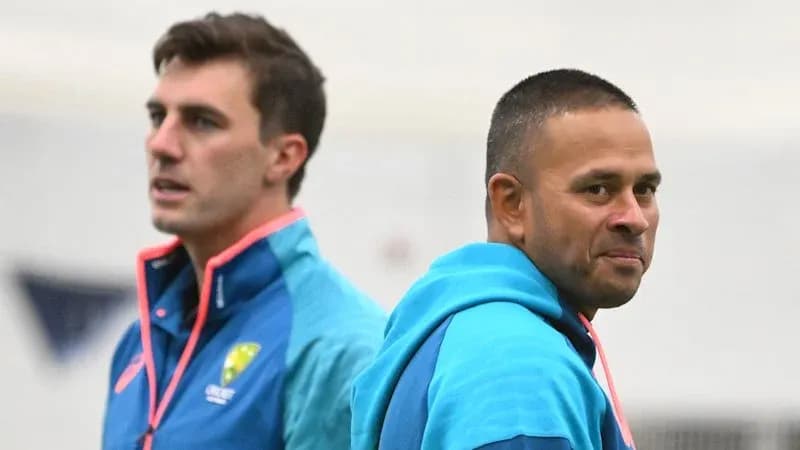
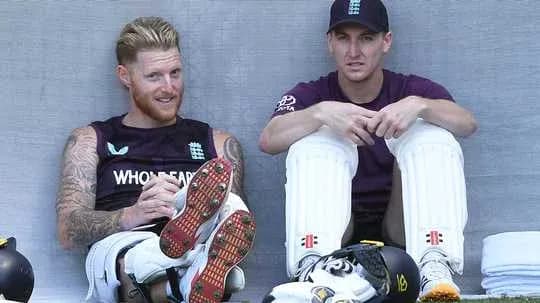
Ben Stokes is coming back. Harry Brook is not.
Two of England’s brightest modern talents, bound by shared dressing rooms and big‑stage moments, now sit on opposite sides of the Indian Premier League’s rulebook.
Stokes walks straight back in
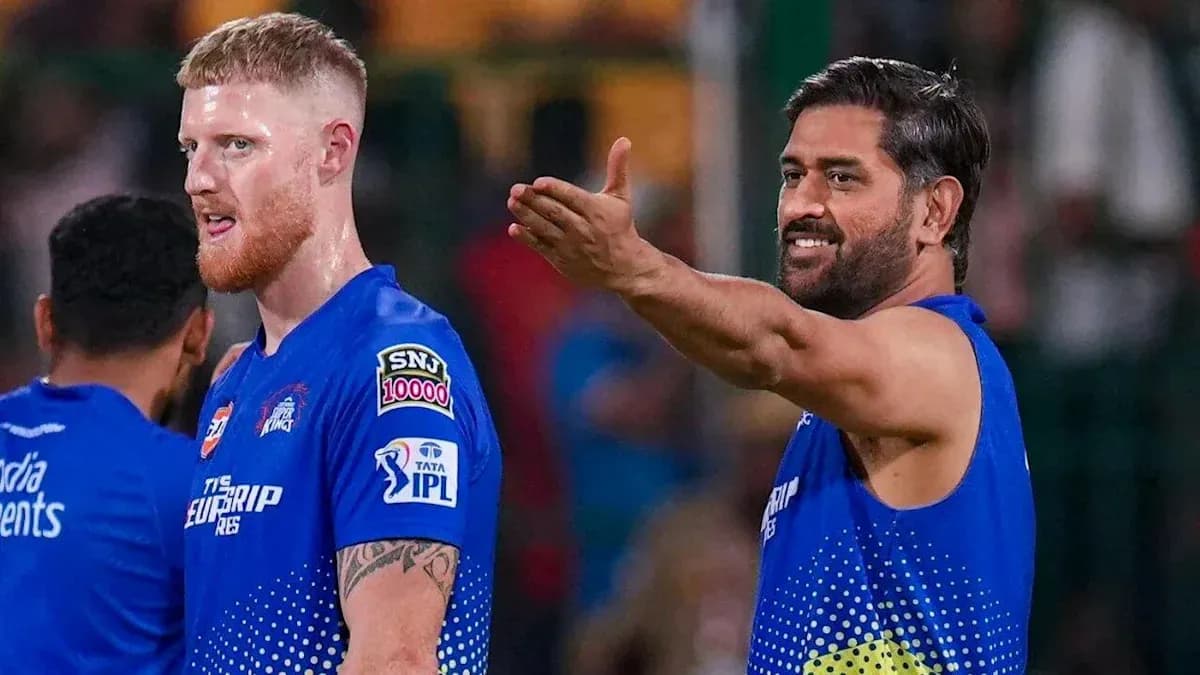
Stokes has formally entered the IPL 2027 auction, his name back on a list where it has long felt at home. The all‑rounder skipped the 2025 mega auction, choosing to protect his workload and extend his England career rather than chase another franchise deal. That decision triggered a clear, if unforgiving, clause in the BCCI regulations.
“Any Overseas Player will have to register for the Big Auction. In case the overseas player doesn't register, then he will be ineligible to register in the following year's player auction.”
Simple enough. Miss the mega auction, miss the next one. So when Stokes stayed away from the 2025 table, he automatically ruled himself out of the 2026 mini‑auction. He accepted that and sat out.
But the punishment ends there. Nothing in that rule bars him from returning in 2027. No special exemption, no backroom lobbying. Just a straightforward re‑entry for an Ashes and World Cup winner whose reputation as one of the game’s most formidable all‑rounders still carries enormous weight.
The IPL, which has thrived on marquee names, suddenly has one of its biggest back in the pool.
Brook hits the wall
Brook’s situation is harsher, and far more complicated.
He did register. He did get picked. And then he pulled out.
Delhi Capitals snapped him up at the 2025 mega auction for INR 6.25 crore, a calculated punt on one of the most destructive T20 batters in the world and, by then, the No. 4 ranked batter in the ICC standings. On paper, it looked like a steal.
Then came the withdrawal before a ball was bowled. That decision dropped him straight into a different, and far more severe, part of the BCCI’s regulations:
“Any player who registers in the player auction and after getting picked at the auction, makes himself unavailable before the start of the season, will get banned from participating in the tournament and player auction for 2 Seasons.”
No wiggle room. No sliding scale. A flat two‑season ban.
The fallout is stark. Brook, at the peak of his T20 powers, is locked out of the IPL until after the 2027 season. One of the format’s most explosive middle‑order hitters, effectively sidelined from the world’s most lucrative T20 league at a time when his stock has never been higher.
The contrast with Stokes could hardly be sharper: one English star walks back in on schedule; the other is frozen out by his own earlier decision.
Why the rules turned hard
The BCCI did not conjure these regulations out of nowhere. They came from a clear frustration shared by franchises and the board.
Too many overseas players were backing away after the hammer fell and the numbers flashed on the screen. Some had workload concerns, some had international commitments, some simply did not like the price they fetched. Franchises argued that late withdrawals wrecked their balance, forced hasty replacements, and undermined months of planning.
Those complaints reached the BCCI in a meeting in Mumbai before the mega auction. Owners wanted protection; the board wanted order. The result was a tougher framework: skip a mega auction and you miss the next year’s sale; pull out after being bought and you vanish for two full seasons.
Brook is not alone in having tested the limits. Jason Roy and Alex Hales have both withdrawn after being picked. Mitchell Starc pulled out of the 2017 season with Royal Challengers Bengaluru to manage his workload, and later found himself released by Kolkata Knight Riders ahead of the 2019 edition, a year when the World Cup followed straight after the IPL.
The difference now is that the system bites harder. The deterrent is meant to be real, and Brook is the headline example.
Hasaranga’s winding road
Wanindu Hasaranga offers a different kind of case study: a career bouncing between big fees, injuries and shifting shirts.
He lit up the 2022 and 2023 seasons with Royal Challengers Bengaluru, operating on a hefty INR 10.75 crore deal. Then came a cheaper move and a setback. Sunrisers Hyderabad bought him for INR 1.5 crore ahead of 2024, only for injury to rule him out of the season.
He returned in 2025 with Rajasthan Royals, this time at INR 5.25 crore. Another reset, another chance. After that campaign, Royals released him and Lucknow Super Giants stepped in for 2026, paying INR 2 crore. He never took the field for them, with a hamstring injury cited as the reason, and Super Giants let him go last week.
Now he is back on the market again, registered for the auction at a base price of INR 2 crore. His journey underlines how fine the line can be between tactical rest, genuine injury and the kind of withdrawal that now triggers bans.
A crowded 2027 auction field
All of this plays out against a vast backdrop. The BCCI has confirmed that 1220 players feature on the initial list for the 2027 auction, a number that underlines the league’s pull and the scale of its selection puzzle.
Australia lead the overseas registrations with 53 names, a familiar show of depth and ambition. South Africa follow with 40, West Indies with 36, New Zealand with 25 and Afghanistan with 23, a remarkable tally for a country that only recently climbed into the top tier of international cricket.
Associate nations have forced their way into the conversation as well. The USA have 13 players registered, while the UAE and Nepal have 10 each, evidence of how far the IPL’s reach now stretches beyond the traditional power bases.
For now, those 1220 names form only the raw material. Franchises will sift through the Auction Register and send back the players they actually want in the final pool. That refined Auction List, broken into player sets, will land on Friday, 4 December 2026.
By then, the picture will be sharper. Stokes will know exactly who he is up against. Brook will know he is watching from the outside, his absence dictated not by form or fitness, but by a rulebook rewritten to bring order to the chaos of cricket’s richest league.