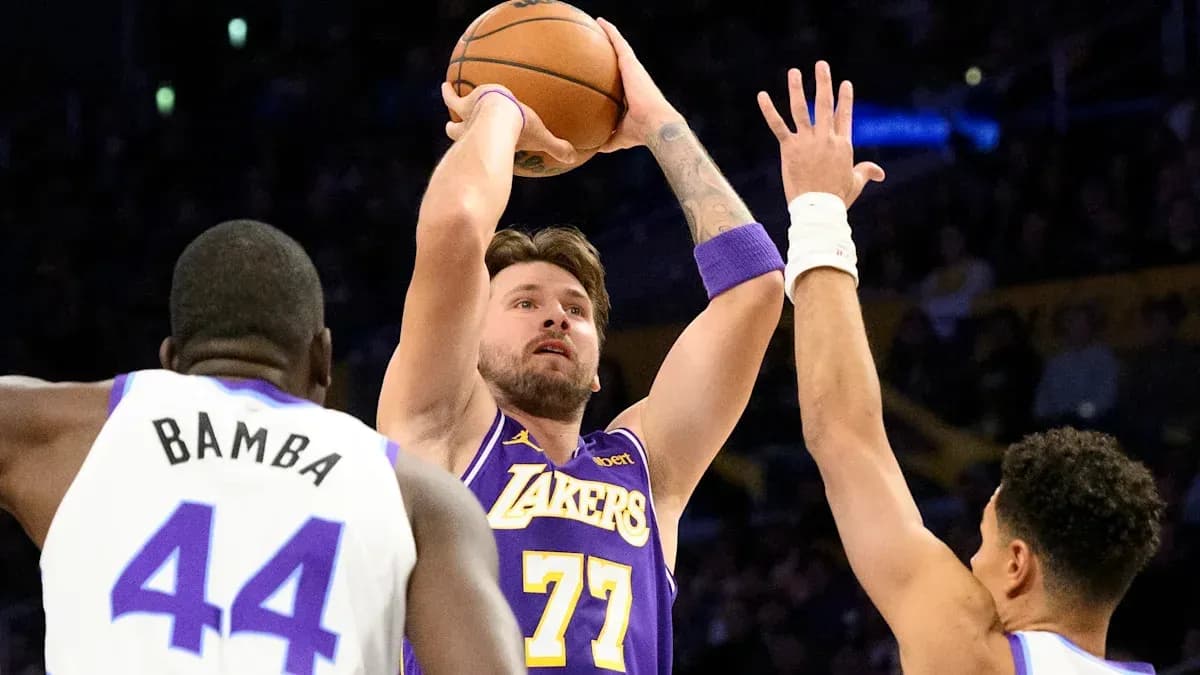
Lakers Survive Nervy Win Against Kings
LOS ANGELES – Walker Kessler exhaled hard before he sat down at the podium inside Crypto.com Arena on Friday night.
“A win is a win,” he muttered.
It sounded like a cliché, but it fit the week perfectly. The Los Angeles Lakers, owners of the West’s best record, spent a third straight home game wrestling with an opponent they were supposed to handle. They didn’t dominate. They survived.
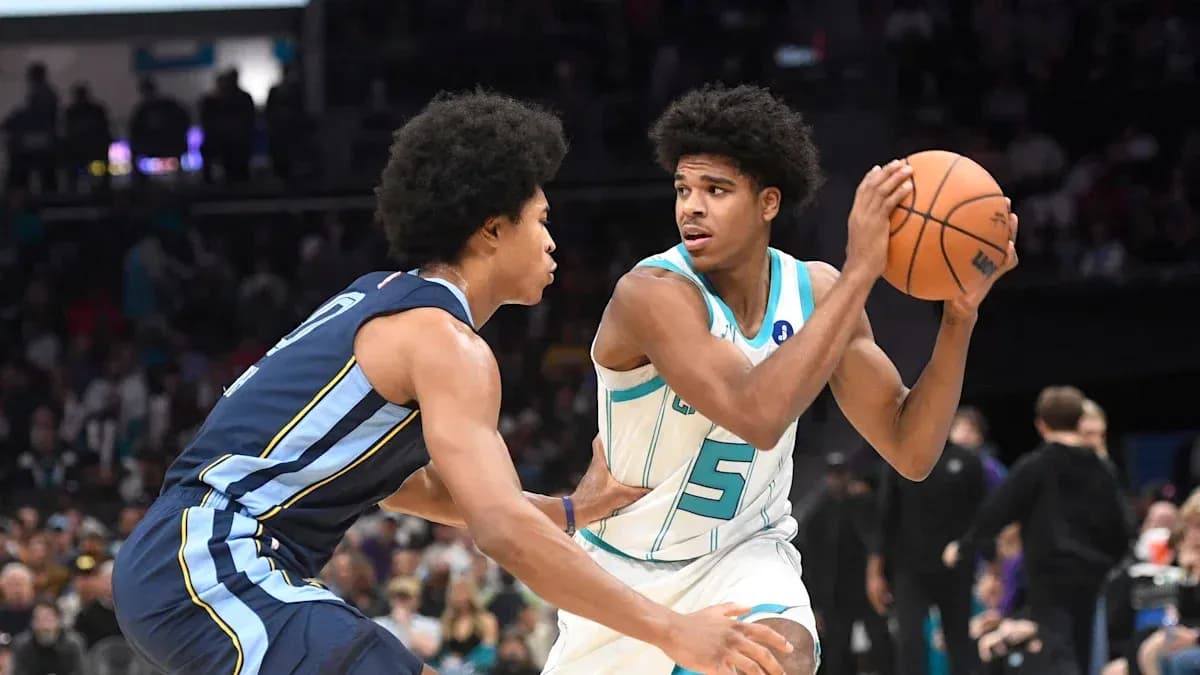
On Tuesday, they needed a furious late rally and a career night from Quentin Grimes just to drag the Charlotte Hornets into overtime and escape. On Wednesday, they were bullied by the Utah Jazz, outmuscled and outclassed in a 12-point loss that handed Utah only its third win of the season. By Friday, with the lowly Sacramento Kings in town, the pattern held: flat start, nervous crowd, early hole.
At halftime, the Lakers trailed by eight. They had sleepwalked through two quarters against a team already drifting toward the lottery.
JJ Redick had seen enough.
Redick’s Halftime Challenge
Nobody in the locker room wanted to repeat Redick’s exact words, which usually means they landed. Hard.
“I can't repeat every word I used,” Redick said. “The main message was we gotta be tougher, we gotta bring a little bit of energy. Certain nights, whether it's the team, how we're playing, the atmosphere in the arena, you could just be a little flat, and I thought we just had to be tougher and pick up our energy.
“They accepted the challenge.”
No one more than Kessler.
The big man’s first half was a mess. Four fouls in under 12 minutes. Three makes on six attempts, all at the rim, but with several soft, tentative finishes. Just one rebound. On defense, he bit on pump fakes, reached instead of moved his feet, and never imposed himself physically.
Kessler didn’t sugarcoat it.
“He lit me up a little bit, and rightfully so,” he said. “... I needed it.”
The message hit. The game flipped.
The Lakers outscored Sacramento 52–42 in the second half, grinding their way to a 106–104 win that felt more like an escape than a statement. Kessler supplied nine points and six rebounds after the break, finishing with 15 and seven and dragging his plus-minus from -2 at halftime to +4 by the buzzer.
He went 4-for-5 from the field in the second half. One shot, though, towered over the rest.
Kessler From the Corner
Early in the fourth quarter, the play broke down. Collin Sexton held the ball above the three-point line, attacked to his right and knifed into the paint. On the weak side, his former Jazz teammate drifted into the corner, almost as an afterthought.
The pass found Kessler. A 7-footer. With zero three-point attempts on the season.
He rose and fired.
“It was a very unorganized play,” Redick admitted. “I'm not even sure why he was standing in the corner.”
The ball didn’t care. It splashed through.
“That was good,” Luka Dončić deadpanned from the podium later.
For Kessler, the logic was simple.
“It was open,” he said. “I'm confident in that shot. It was open, and Bull actually told me to space because he was about to slash. ... Shot it. Went in. I feel good. I should've made those free throws (at the end), but that's part of it. It was good.”
It was his first three-pointer of the season. First attempt. In a two-point game, it mattered.
The Lakers needed every inch of it, because their offense still sputtered.
Wins, Worries, and a Soft Landing Disappearing
The numbers told an uneasy story. Dončić, brilliant early with 17 points in the first half, faded into inconsistency after the break, shooting 3-for-8 in the final two quarters. The team as a whole managed just 35.1% from beyond the arc. Sixteen turnovers bled away momentum. Early steals and deflections never turned into the kind of scoring bursts that normally blow games open in this building.
Yet the record book will only show their 14th win of the season.
“Obviously we started out not good at all,” Kessler said. “Me personally, I didn't play well in the first half, but I like how we responded. There's sometimes a tendency to lay down and just completely die. So it was good to see the guys fight through another tough game.”
That’s the internal view: resilience, response, the ability to grind out wins on ugly nights. The external view has been harsher.
Critics have circled the Lakers’ schedule from the start, branding it “soft” and pointing to their early run against struggling teams as the engine of their rise to the No. 1 seed in the West through 17 games. This week handed those skeptics fresh ammunition: a near-collapse against Charlotte, a flat loss to Utah, a nervy scrape past Sacramento.
The calendar, though, is about to strip away the excuses.
The homestand closes Monday with a rematch against the Jazz, who already exposed some of the Lakers’ flaws. Then comes a four-game road trip that will test every claim about this team’s toughness and ceiling: Memphis Grizzlies (12–4), San Antonio Spurs (13–3), Houston Rockets (12–5). No hiding there. No “playing down” without consequence.
The Lakers have banked wins. They’ve shown they can claw their way back when the energy dips and the shots go sideways. But as the schedule hardens and the margin for error shrinks, the question shifts from whether they can survive nights like this to whether they can stop creating them.