Lakers Eye P.J. Washington Trade: A Perfect Fit for Los Angeles
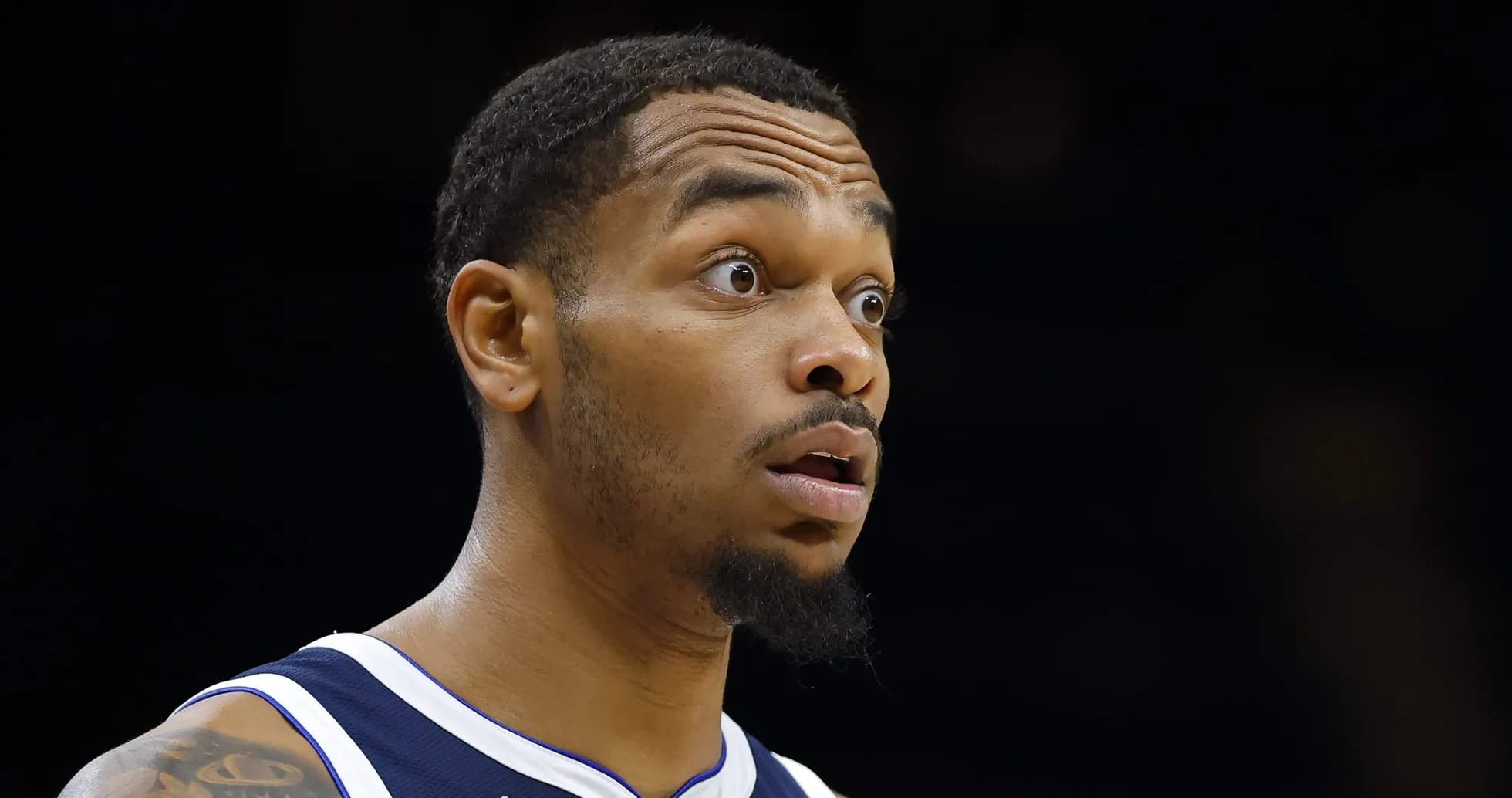
The Los Angeles Lakers have been circling P.J. Washington’s name for what feels like an entire era of Luka Doncic basketball. Every time the front office talks about length, shooting, and defensive versatility on the wing, Washington’s profile fits the description almost too neatly.
Now, the hypothetical has a framework. And it’s a complicated one.
A Familiar Trade Dream Resurfaces
Washington, still in Dallas and fresh off a run to the 2024 NBA Finals, sits on an $88 million contract that already squeezes the Mavericks’ cap sheet. For the Lakers, that number is a problem. For their needs, he’s the solution.
Two outlets, ClutchPoints and FadeawayWorld, independently landed on the same trade concept — a rare alignment in the NBA rumor mill:
- Lakers receive: P.J. Washington
- Mavericks receive: Jarred Vanderbilt, Jaden Hardy, 2031 second-round pick (via Washington Wizards), 2032 second-round pick (via Wizards)
It’s not a blockbuster on paper. No first-rounders. No headliners. But it’s exactly the kind of deal that forces both teams to stare hard at their timelines and their balance sheets.
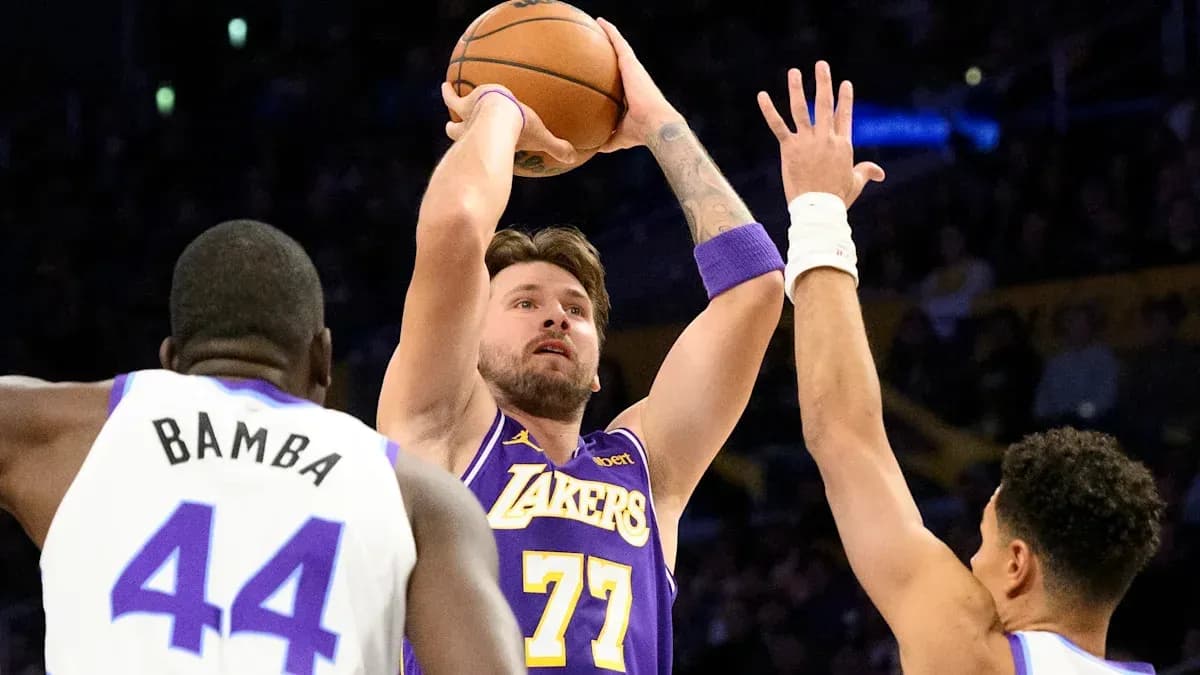
The Lakers are short on premium trade chips. That’s the starting point for every discussion. They’ve already pushed plenty of future value out the door, and Washington’s contract would tighten their already limited flexibility. Yet he remains the archetype they’ve chased and missed on for over a year: a two-way forward who can live next to Doncic, Austin Reaves, and Walker Kessler without needing the ball to dominate.
Why Washington Fits So Cleanly in Los Angeles
The numbers don’t scream star, but they whisper “perfect fit.”
Washington is averaging 14.0 points, 6.7 rebounds, and 1.3 assists, shooting 42.1% from the field and 36.2% from three. Those aren’t All-NBA splits. They are, however, exactly the kind of production that scales up next to high-usage guards and wings.
FadeawayWorld’s Fran Leiva underlined the logic: Washington already knows how to play off Doncic from their time together in Dallas. He was a key part of the Mavericks’ Finals run, toggling between both forward spots, checking bigger wings, and knocking down open threes. On this Lakers roster, that versatility would be a luxury they don’t currently have.
He could start next to Kessler in a bigger lineup, slide into smaller groups when the Lakers chase shooting, or spell Sandro Mamukelashvili without demanding touches that should belong to Doncic and Reaves. He fills gaps instead of creating new ones.
For Los Angeles, that’s the entire point.
The Dallas Dilemma
All of this leads to the real question: why would Dallas say yes?
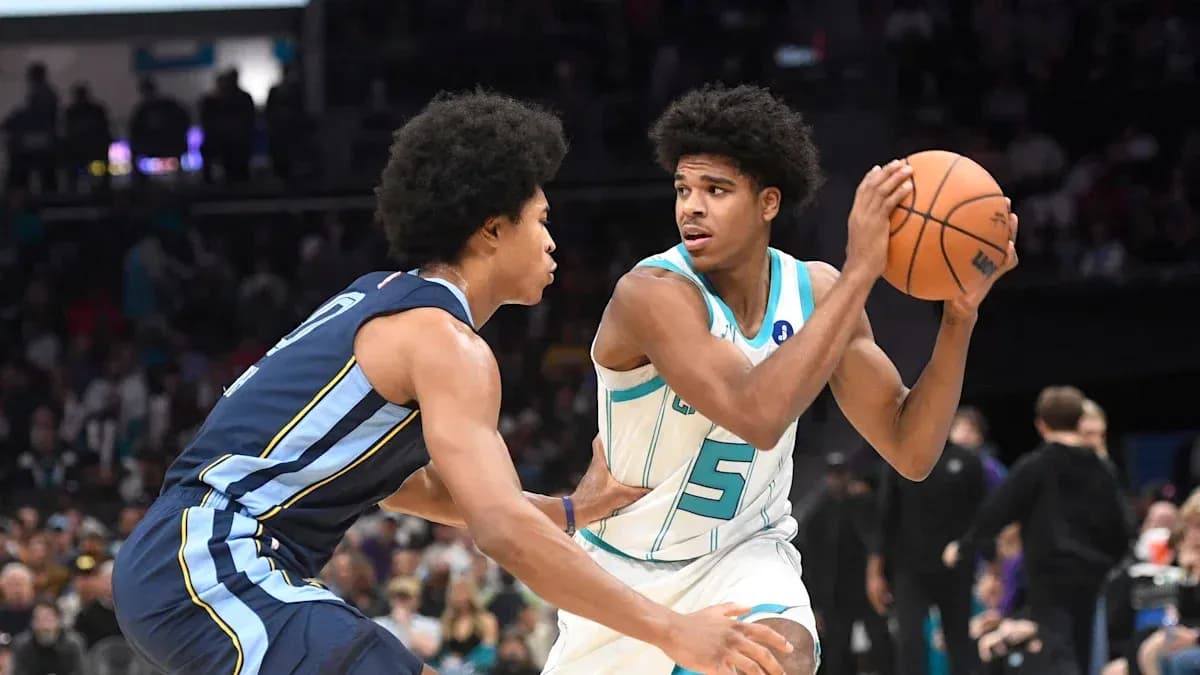
Leiva’s proposed package — Vanderbilt, Hardy, and the two Wizards second-rounders — is a starting offer, not a knockout punch. Vanderbilt brings defensive juice and size at forward. Hardy, who began his career with the Mavericks, offers a second look at a young guard who can score in bunches. The picks sweeten the pot, but they’re still second-rounders.
Leiva himself acknowledged the sticking point: for a player as important as Washington was to a Finals run, Dallas could easily ask for more.
That’s where the cap sheet and rotation math come in. If the Mavericks decide Washington’s long-term money is better used elsewhere, especially with bigger moves on the horizon and Kyrie Irving’s situation always looming over their planning, this type of deal starts to make more sense. It’s not just about the player; it’s about the financial runway he occupies.
Garrett Kerman of ClutchPoints pushed the same trade idea before the Lakers’ front office publicly hinted at getting aggressive ahead of the deadline. The logic from Dallas’ side was clear: a crowded frontcourt and a chance to rebalance the books.
With names like Cooper Flagg, Zaccharie Risacher, and Santi Aldama in the mix, Washington’s long-term role in the Mavericks’ rotation becomes less defined. Moving him now would clear money, bring back Hardy, and stack extra draft capital, even if those picks sit in the second round.
The Lakers’ Wing Problem
On the Lakers’ side, the basketball case is blunt.
They need a forward who can defend elite perimeter scorers, rebound in traffic, and hit open catch-and-shoot threes without hijacking possessions. They don’t have that complete package right now.
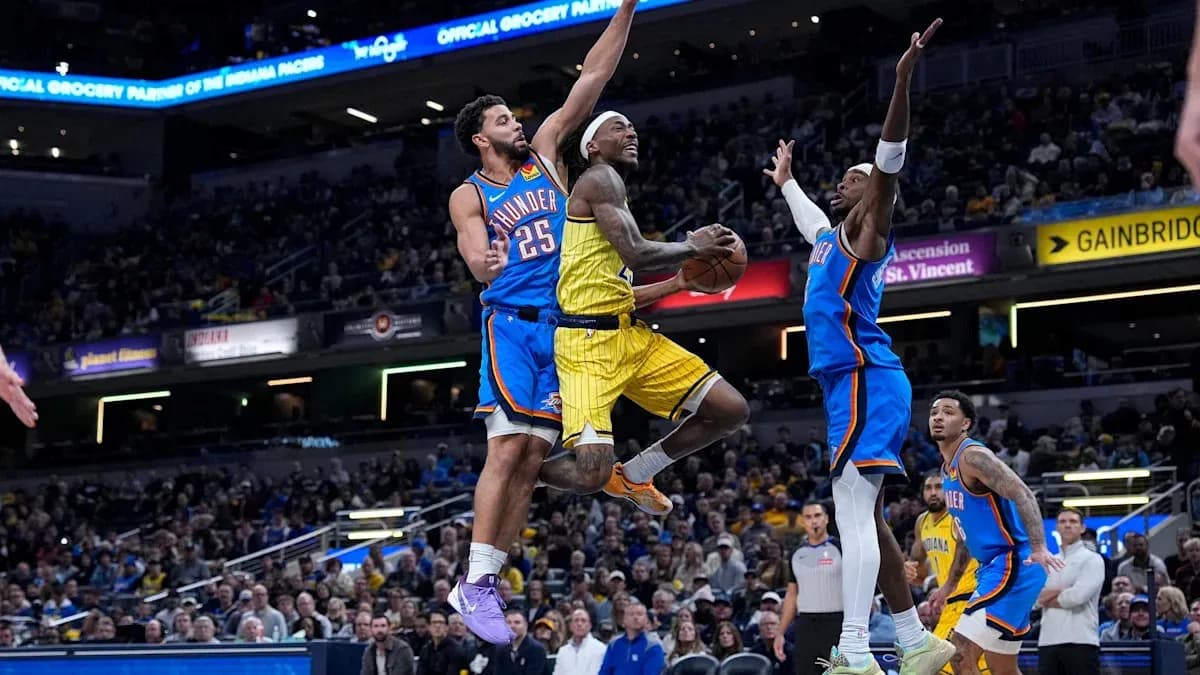
Kerman captured the current dilemma: Los Angeles is constantly choosing between offense and defense on the wing. Vanderbilt brings energy, length, and defensive edge, but opponents ignore him in the half-court. That clogs driving lanes for Doncic and Reaves and shrinks the floor when it matters most.
Washington changes that equation overnight. He can switch across multiple positions, protect the weak-side rim next to Kessler, and punish defenses when they load up on Doncic. He doesn’t need to create; he just needs to finish plays and hold up defensively.
That’s exactly what this roster is missing.
Vanderbilt’s recent uptick in form does help his value, making him more than just salary filler in any deal. If Dallas is truly motivated by cap relief and rotational clarity, he and Hardy become real pieces rather than throw-ins.
How Far Will the Lakers Go?
There’s a tension at the heart of this proposal. The Lakers have limited assets, a tight cap situation, and a roster that’s good enough to dream but flawed enough to doubt. Washington sits right in the middle of that tension.
If Dallas is open for business, Los Angeles might have to stretch beyond this initial framework — an extra pick, a swap, or another young piece — to make the Mavericks listen. The Stepien Rule still shapes what they can and can’t do with their first-rounders, but the pressure of a contending window has a way of forcing creative solutions.
For now, the structure is simple: Vanderbilt, Hardy, and picks for Washington. The reality is anything but.
The Lakers have started the season close to where they wanted to be, but not quite where they need to be. The gap between those two points is often bridged by exactly this kind of move — a targeted, uncomfortable, win-now trade for a player who doesn’t sell jerseys but wins playoff possessions.
Washington can shoot, defend, rebound, and slide seamlessly next to Doncic and Reaves. The fit is obvious. The need is obvious.
The only mystery left is whether Rob Pelinka is willing to pay Dallas’ price before someone else does.