Liam Lawson's Las Vegas Grand Prix Disappointment
Under the neon glare of the Las Vegas strip, Liam Lawson’s night unraveled before the lights even went out.
The Kiwi had done the hard part. Seventh on the grid in qualifying, right in the thick of the fight, poised to attack under the floodlights on Sunday evening (NZ time). For a driver still carving out his place in Formula One, it was the sort of starting position that can change conversations about a career.
Then the car bled hope.
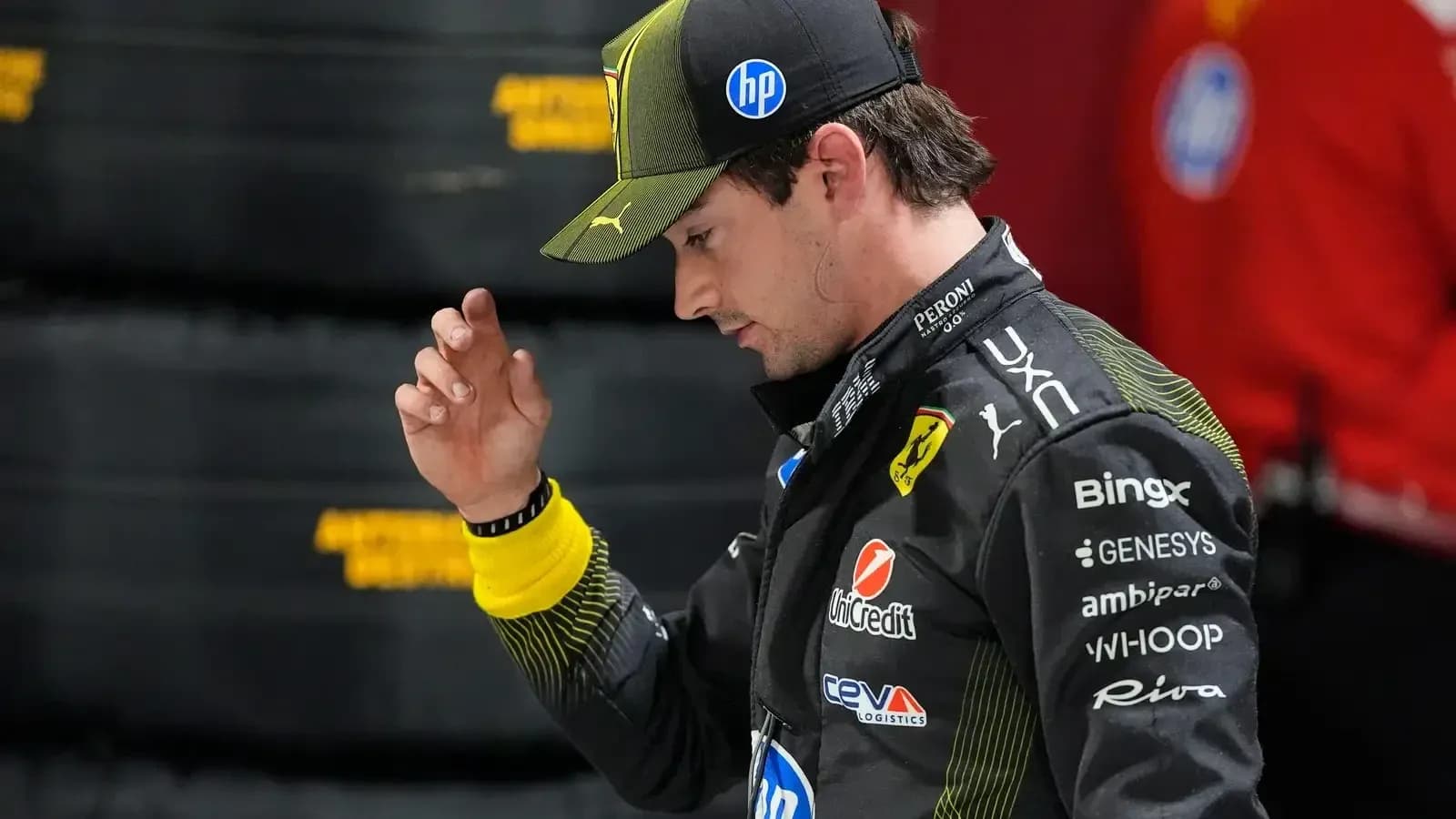
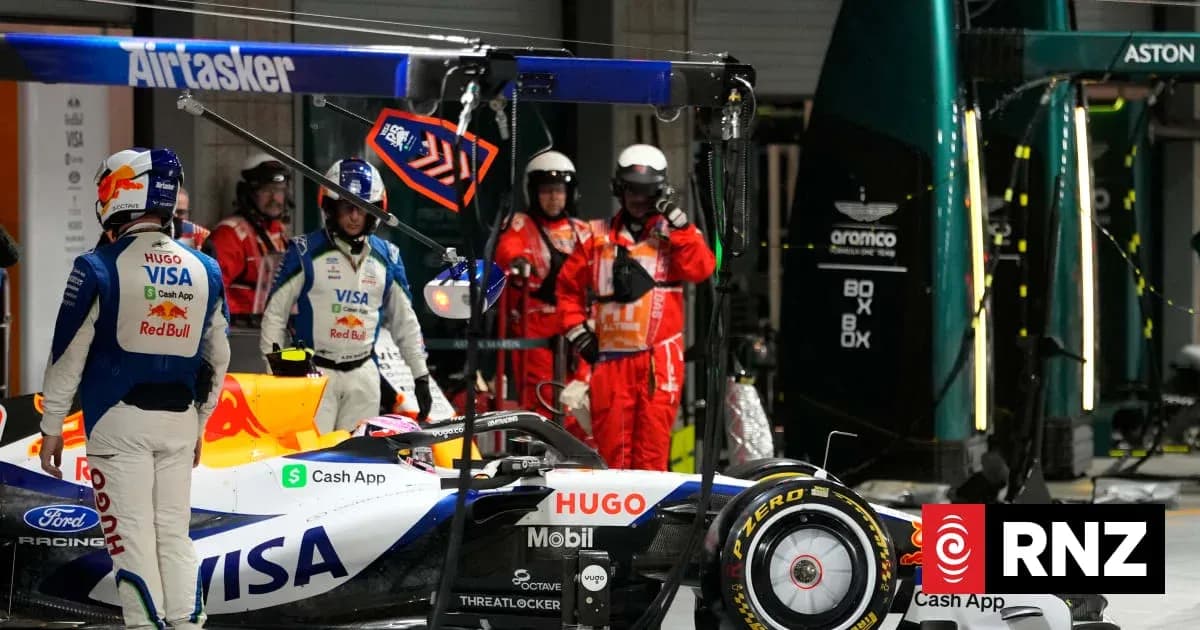
A late fuel leak forced Lawson off the grid and into the pit lane for the start, turning a statement opportunity into a salvage mission. From there, his race became a long, lonely chase of what might have been. He picked off cars, made up several places from the back, and dragged the wounded evening up to 15th. Respectable damage limitation, but nowhere near the points that his qualifying pace had promised.
Up front, the chaos only underlined what Lawson had missed out on.
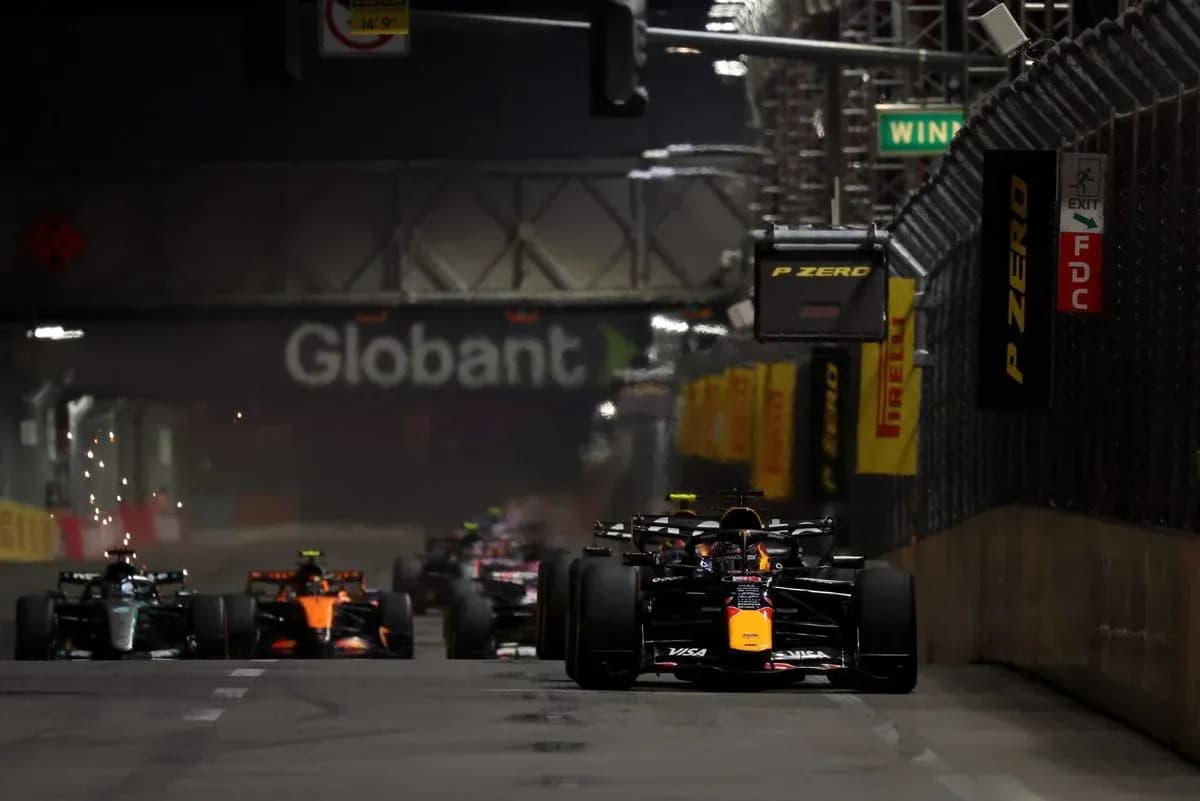
This was Las Vegas at full tilt: 50 laps of slipstreaming and brinkmanship, the lead trading hands under the glare of the strip, the frontrunners running nose-to-tail as if joined by an invisible tow rope. It was the kind of race where track position and nerve mattered as much as raw speed, and where starting seventh could have put Lawson right in the middle of it.
Instead, the show belonged, once again, to Max Verstappen.
The Red Bull star claimed the Las Vegas Grand Prix for the third time in four years, adding another line to a record that already dominates the modern era. He managed the ebb and flow at the front with the sort of control that has become his trademark, absorbing pressure when it came, attacking when it mattered, and shutting the door on any late drama.
McLaren played the role of chief pursuer. Lando Norris hustled his car into second, while Oscar Piastri completed the podium with third, underlining McLaren’s status as the most consistent threat to Red Bull on nights when the race turns into a knife fight rather than a procession. Both drivers stayed in the hunt as the lead swung back and forth, but Verstappen refused to blink.
Behind them, the bigger picture of the season continued to shift.
Mercedes have already banked both championships, their dominance over the campaign sealed before the circus rolled into Nevada. In the process, 20-year-old Italian Kimi Antonelli etched his name into history this month as the youngest ever Formula One world champion, a landmark that resets the bar for what “too young” now means at the top of the sport.
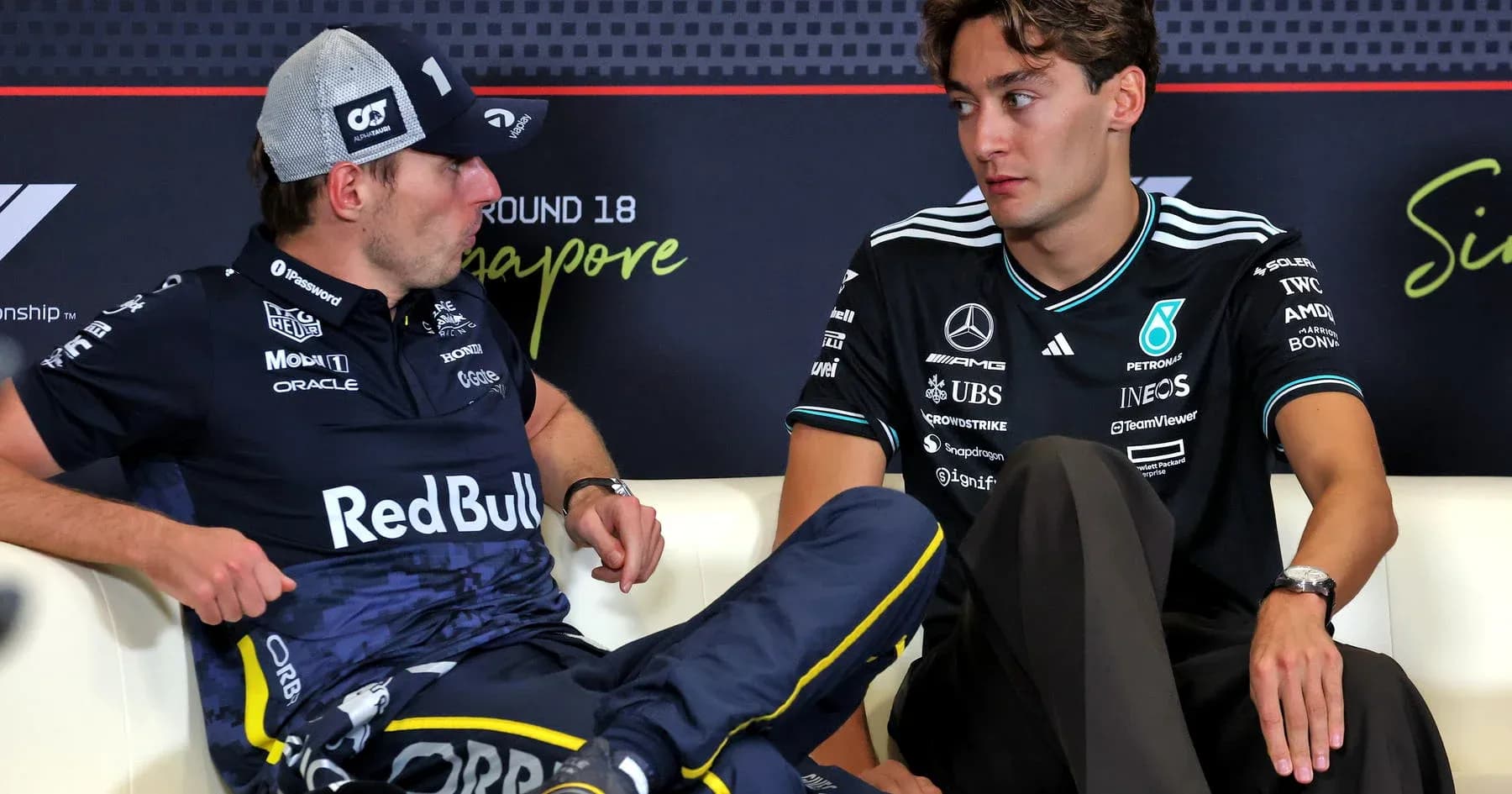
With the titles decided, the fight has moved to the margins that still matter. Verstappen and George Russell are now locked in a scrap to finish the season as overall runner-up, a duel that gives the remaining races real edge even with the main trophy already parked in the Mercedes garage.
Ferrari, though, turned the night into a headache.
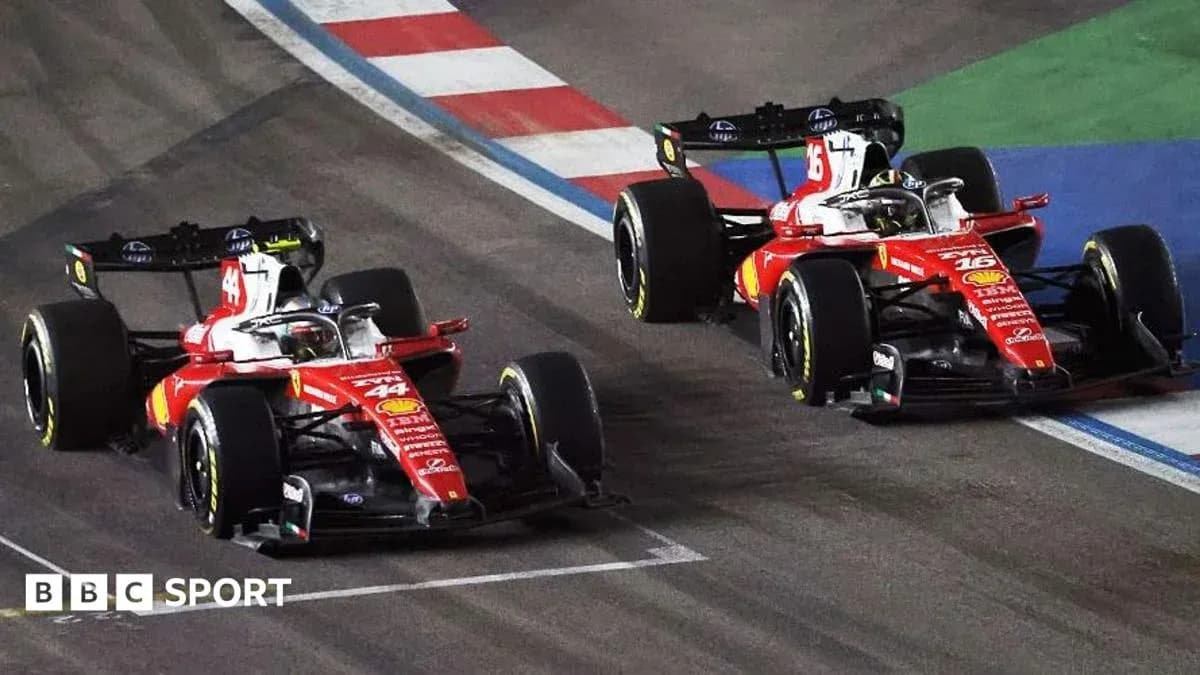
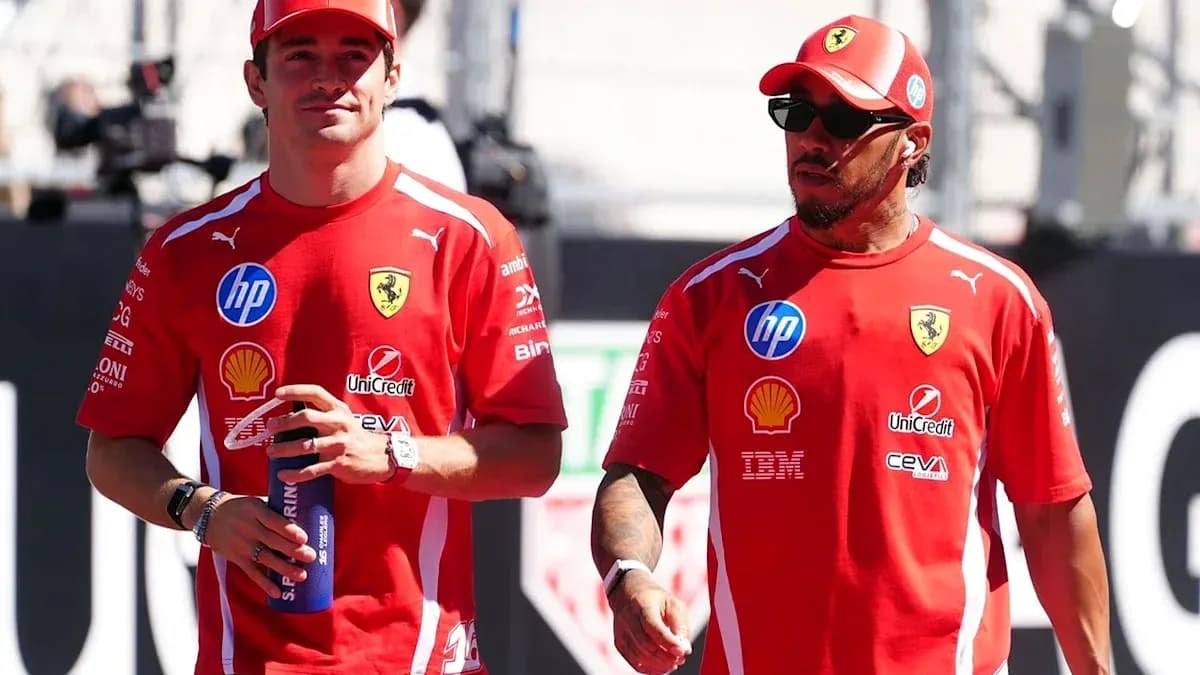
Teammates Lewis Hamilton and Charles Leclerc collided in the heat of battle, a flashpoint that summed up a season in which Ferrari’s speed has often come wrapped in self-inflicted wounds. Both men then picked up separate 10-second penalties for different incidents, compounding the damage and leaving the team stewing over what should have been a more profitable night.
For Lawson, there was no penalty, no big mistake, just the cold cruelty of machinery failing at the worst possible moment.
He arrived in Las Vegas with a car quick enough to qualify in the top seven and a stage built for bold drives and late-braking statements. He left with 15th place, no points, and the lingering sense that under these lights, on this kind of track, he had been ready to race the sport’s elite on equal terms.
In Formula One, chances like that don’t come every weekend. The question now is simple: when the next one appears, will the car – and the luck – finally hold?