Manchester United's New Era: Financial Strain Amidst Managerial Changes
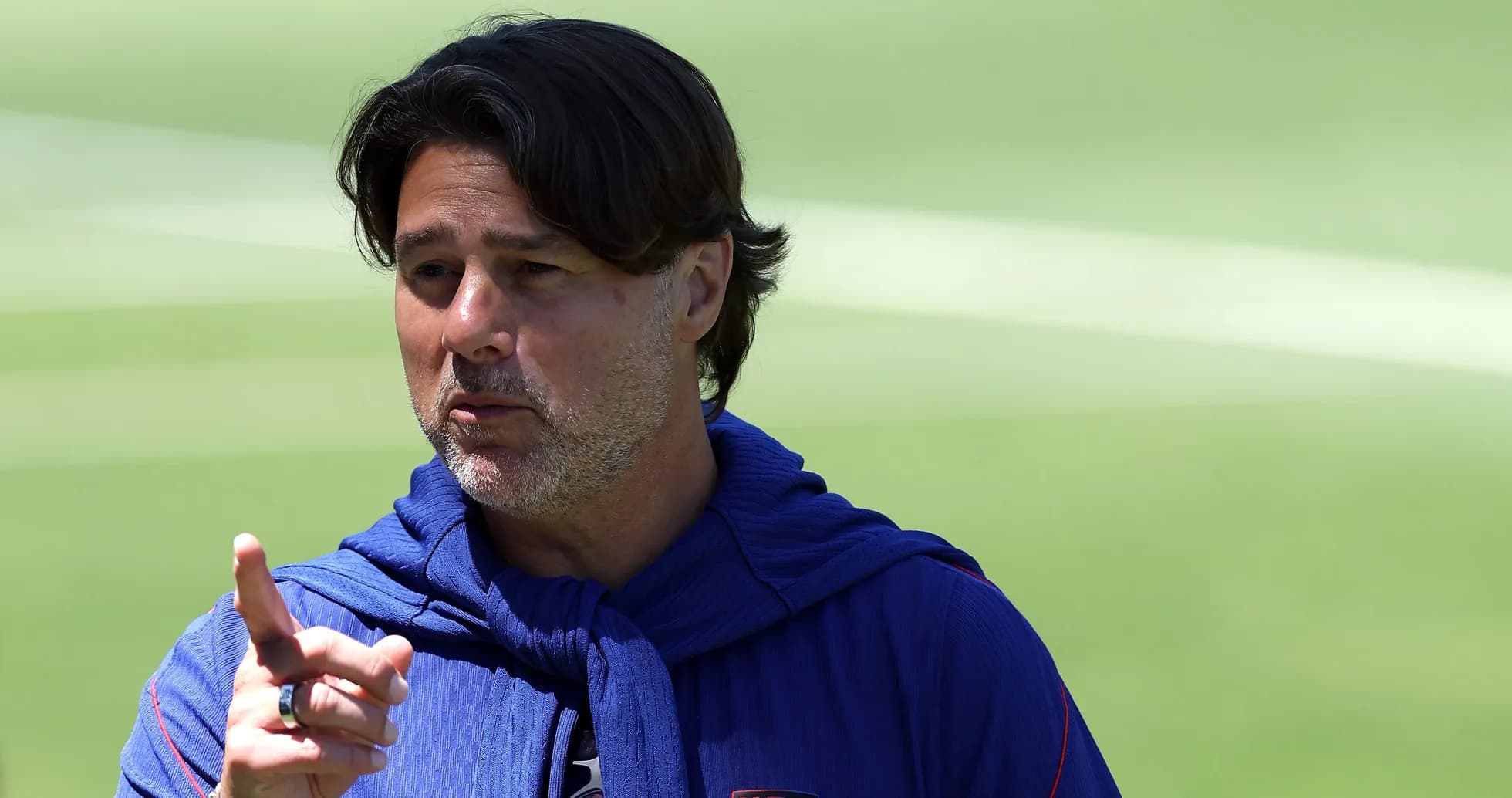
Three days. That’s all it took for the Mauricio Pochettino era at Manchester United to be underwritten by another £10 million of borrowing.
On 13 November, United announced a two-and-a-half-year deal with the Argentine, billed as the latest reset in a decade of resets. By 16 November, the club had dipped back into its revolving credit facility, a move laid bare in documents filed to the stock exchange alongside their first-quarter financial results.
Behind the optimism of a new head coach sits a stark ledger.
A Managerial Carousel Costing Close to £100m
United confirmed they must pay £7.5 million in compensation to the US Soccer Federation to secure Pochettino’s release. That is only the entry fee.
Since Sir Alex Ferguson walked away in 2013, the club have spent around £95 million on hiring and firing managers. That number is expected to break the £100 million barrier once the costs of bringing in Pochettino’s backroom staff are added, along with compensation for terminating Michael Carrick’s contract.
Carrick departed last week with United in the relegation zone, enduring one of their worst starts to a season in 40 years. His exit came despite being handed a two-year deal after a promising six-month interim spell last season. The club backed him, briefly. Then tore it up.
Pochettino is the ninth permanent manager in the post-Ferguson era, counting Ralf Rangnick’s stint from November 2021. Nine managers in just over a decade at a club that once prided itself on stability. The pattern is clear: every season recently has carried the looming threat of a mid-season change, and the last three campaigns have all delivered one.
Each change brings hope. Each one brings another invoice.
Loans, Debts and a Mounting Risk
The £10 million loan taken out days after Pochettino’s appointment is not an isolated event. It is one of three loans drawn down after 30 September, the end of the first financial quarter, lifting the amount used under the club’s revolving credit facility to £240 million.
The same filing that confirmed the managerial compensation also pulled back the curtain on a broader financial strain.
United spent £5.7 million on registering new players or extending contracts for existing players and members of the coaching staff. That is a relatively modest figure by elite-club standards, but it sits on top of far heavier obligations.
The documents show outstanding commitments on player transfer fees totalling £417 million, with £181 million of that due within the next year. These are deals already done, promises already made. The cheques are coming.
Then there is the headline number: total debt of $750 million, which translated to around £577.4 million at the 30 September exchange rate. For all the talk of rebuilding, United are doing it while carrying a financial load that would buckle most clubs.
A Sporting Project Under Pressure
On the pitch, Pochettino inherits a side that has drifted dangerously. Off it, he walks into a structure that has repeatedly tried to buy its way back to relevance, only to pay again when the plan changes.
The club’s hierarchy now juggle three competing realities: a new sporting vision under Pochettino, a managerial bill edging past £100 million since Ferguson retired, and long-term financial commitments running into hundreds of millions.
The question is no longer just whether Pochettino can coach United back towards the top of English and European football. It is whether this latest project can finally bring stability to a club that has spent a decade paying for instability.
United have gambled again: on a manager, on a style, on a reset. The loans, the compensation, the transfer commitments all say the same thing.
This time, it has to work.