Manchester United: Pressure Mounts as Pochettino Takes Charge
The mood around Old Trafford has turned raw. Manchester United sit 18th in the Premier League, with just eight points from their first 10 games. One win. Five draws. A global fanbase that once measured seasons in trophies now measures them in grievances.
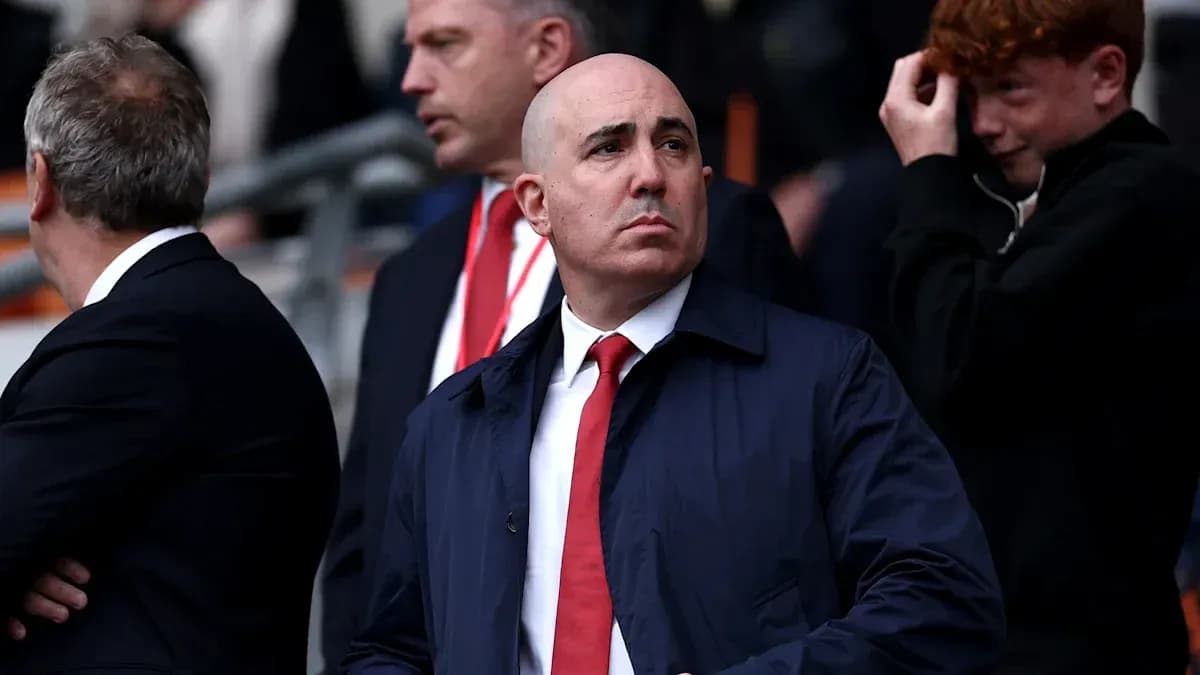
Into that storm stepped chief executive Omar Berrada, attempting to steady a club that feels permanently on edge.
Berrada Pushes Back
Speaking to Sky Sports, Berrada did not shy away from the fury that has engulfed the hierarchy.
“Being in this position comes naturally with the criticism and scrutiny we're going to get,” he said. “We accept it. Some of it is fair, some of it does cross the line.”
He pointed at the modern echo chamber around the club.
“We do live in this world of social media, where people like to generate negative stories about the club because it drives more engagement, and it drives more general noise and activity around the club. But we park that.”
The message was clear: criticism is part of the job, but the personal nature of some attacks has gone too far. United’s executives know they are under the microscope. They just want the lens to move back to the pitch.
From Online Fury to Open Rebellion
The anger is no longer confined to timelines and comment sections. It has spilled into the stands.
Director of football Jason Wilcox has been singled out in chants and banners at recent matches. His name, along with Berrada’s, has become a lightning rod for frustration, with calls for both men to go echoing through social media and into matchdays.
Above them, the ownership saga continues to poison the atmosphere. Minority owner Sir Jim Ratcliffe has become a target of regular chants demanding his departure. The Glazer family, ever unpopular, remain the core symbol of discontent.
Their leveraged takeover in 2005 still shapes the conversation nearly two decades on. The debt burden, now beyond £1 billion, hangs over every bad result, every misstep in recruitment, every season that drifts off course. Supporters do not forget, and they certainly do not forgive.
This is the backdrop Mauricio Pochettino walks into.
Pochettino’s Baptism of Fire
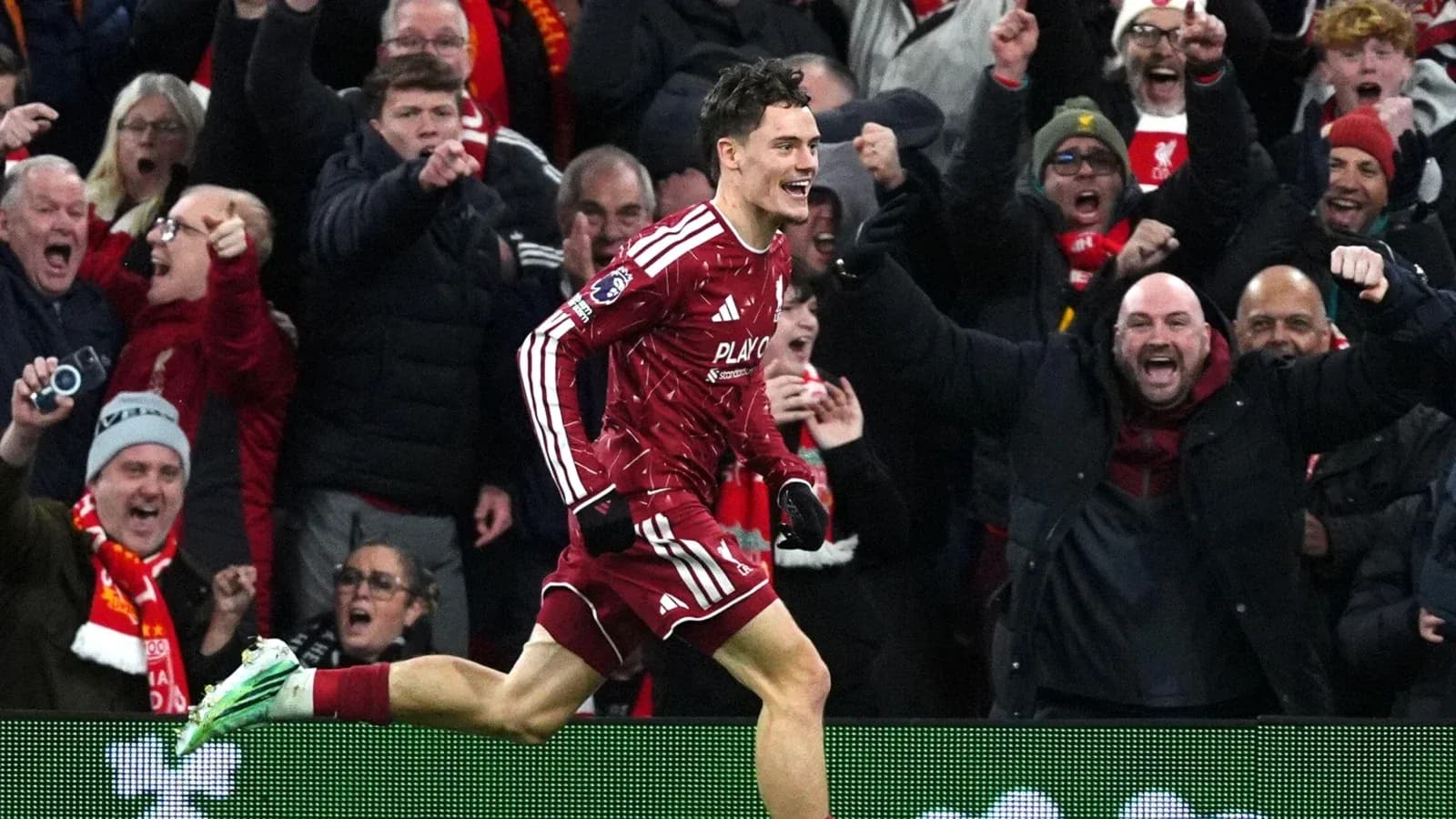
The timing of Berrada’s comments is not accidental. In a few days, Pochettino will take charge of his first game as Manchester United head coach. The venue? Anfield. The opponent? Liverpool. The rivalry needs no embellishment, but the context adds a fresh layer of tension.
United arrive in crisis mode, but also with a hint of defiance. Pochettino replaces Michael Carrick, who could not turn spirited performances into a stable run of results. Carrick managed only one Premier League win during his spell in charge, a 5-2 victory over Ipswich Town on August 30.
That result briefly suggested a corner might be turning. It wasn’t.
United showed fight in Europe, coming from two goals down to beat Roma 3-2 in the Champions League. They backed it up domestically with another wild contest, twice clawing back from two goals behind to draw 4-4 with Aston Villa in their final match before the international break.
The resilience was real. The points return was not enough.
The board moved on. Pochettino arrives with a reputation for structure, intensity and long-term building. He also arrives with no time for a gentle introduction.
A Club on Edge, A Manager Under the Spotlight
Anfield is no place for a soft landing. Liverpool will smell vulnerability. United will carry the weight of a fanbase split between hope for a reset and fury at those above the dugout.
Berrada’s plea to “park” the social media noise is understandable, but the reality is harsher: results will decide how loud that noise becomes. Every misplaced pass, every defensive lapse, every dropped point will be framed not just as a footballing failure, but as another indictment of the club’s direction from top to bottom.
For now, the narrative shifts to Pochettino. His first team selection, his shape, his substitutions at Anfield – all of it will be dissected in real time. He inherits a squad that has shown heart in chaotic games, but not control. A fanbase that craves both blood and balance. And a hierarchy already under siege.
A tough start awaits him. The question is not whether it will be difficult. It’s whether this new era can survive the first blow.