Max Verstappen Wins in Las Vegas Street Fight
Max Verstappen turned Las Vegas into his own neon-lit playground, winning a wild, slipstreaming street fight that felt more like Daytona than a modern Formula 1 race.
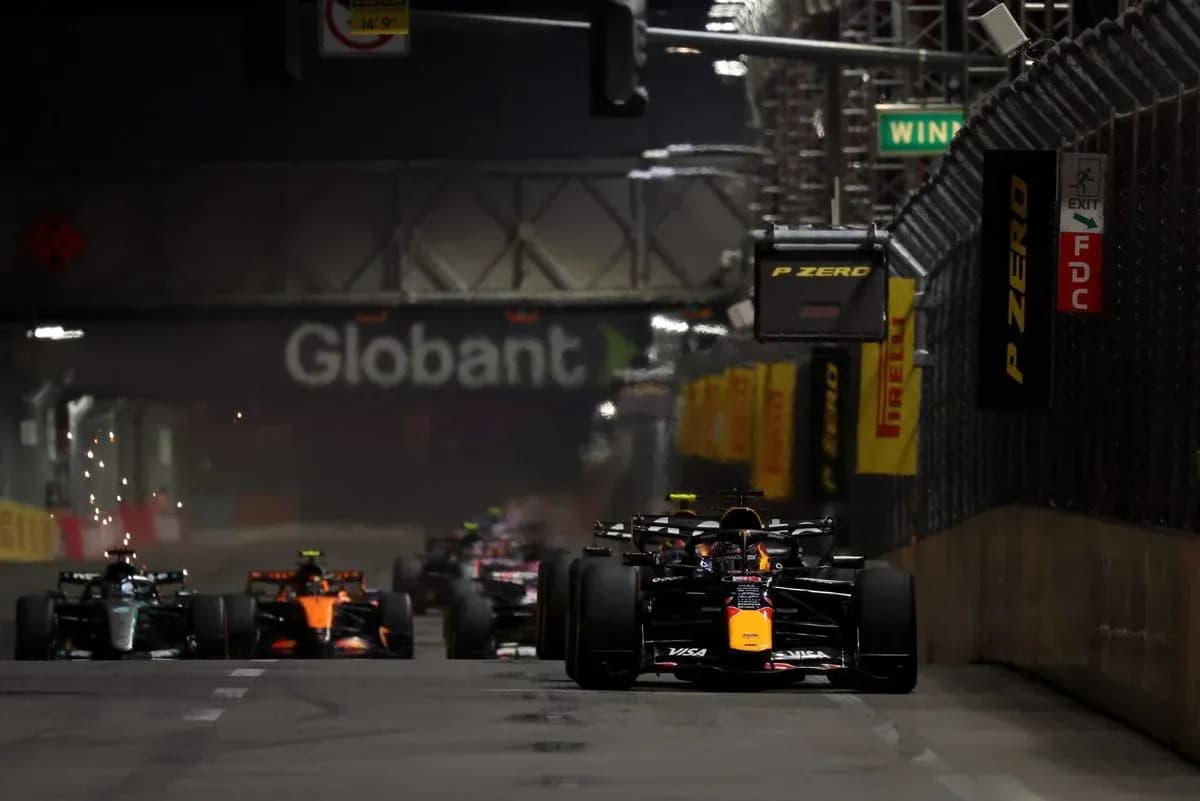
For almost the entire grand prix, the front of the field resembled a high-speed traffic jam. Ten cars, one snarling pack, the lead bouncing back and forth between Verstappen and the two Mercedes of George Russell and Kimi Antonelli. No strategy lull, no tyre-saving truce. Just relentless attack.
Through all of it, Verstappen never looked rattled. He argued deployment maps and battery usage with his race engineer, weighed up how to counter Mercedes’ energy tactics and still found time to pick people off in corners where others barely dared to brake.
A street fight at 200mph
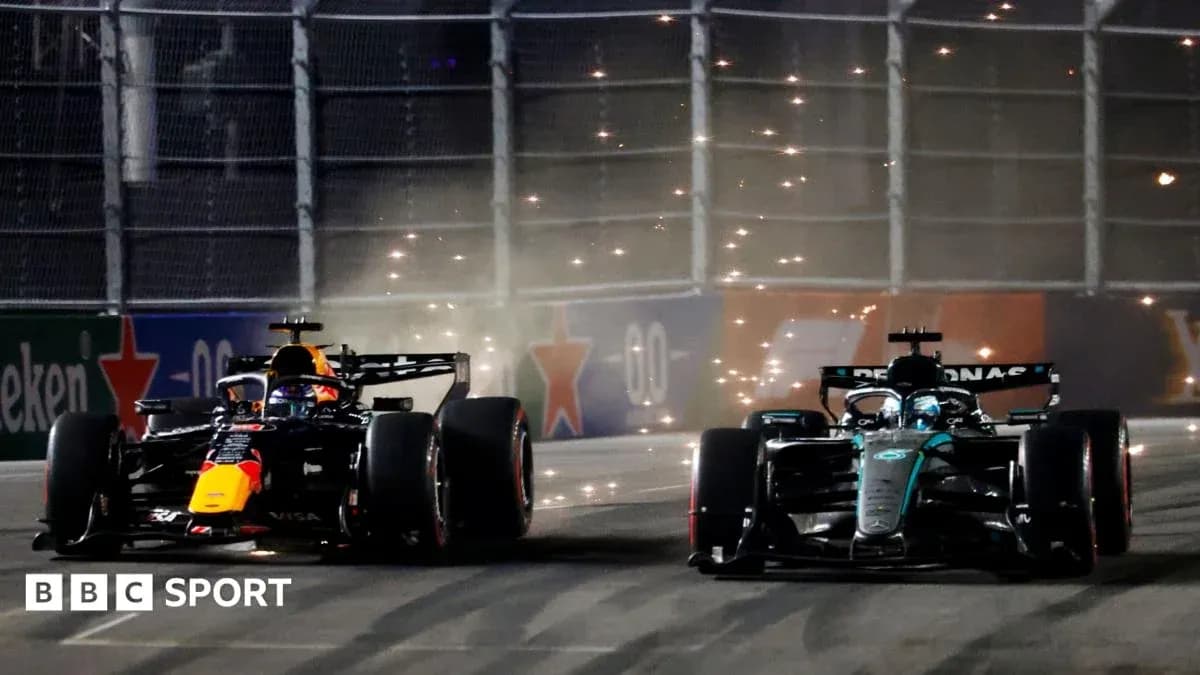
The pattern set in early. Verstappen, starting from pole, would be dragged past on the Strip, Russell slingshotting by in the tow. Then, almost inevitably, the Red Bull would reappear at the last corner, Verstappen sweeping around the outside to snatch the lead back.
If that didn’t stick, he’d reload at Turn Three, carving around the outside again, turning what should have been a low-percentage move into a signature overtake. Lap after lap, same duel, same ruthlessness. A mid-race safety car only reset the order on paper; Verstappen kept control of the narrative.
As the laps ticked down, Russell’s grip on the fight loosened. Antonelli, who had quietly worked his way forward from sixth on the grid, muscled past the Briton with 12 laps to go. Suddenly, the rookie in the Mercedes became Verstappen’s main shadow.
The Italian threw himself into the same swap of positions with the Red Bull, but each time Verstappen found a way to break free. At one stage he even asked the pit wall to rethink their final-lap energy plan because he felt Mercedes had “figured it out”. The answer came back: he was already doing it better than the simulations.
In the end, he didn’t need the perfect final lap. The chaos behind him handed him all the margin he required.
Russell’s costly error and a brutal punchline
The decisive twist came with two laps to go. Russell, desperate to reinsert himself into the victory picture, lunged into Turn Five. He hit the bumps, locked the brakes and slid straight into the barrier — the same brutal bumps that had earlier broken Isack Hadjar’s front wing and pitched the Red Bull junior out of the lead group.
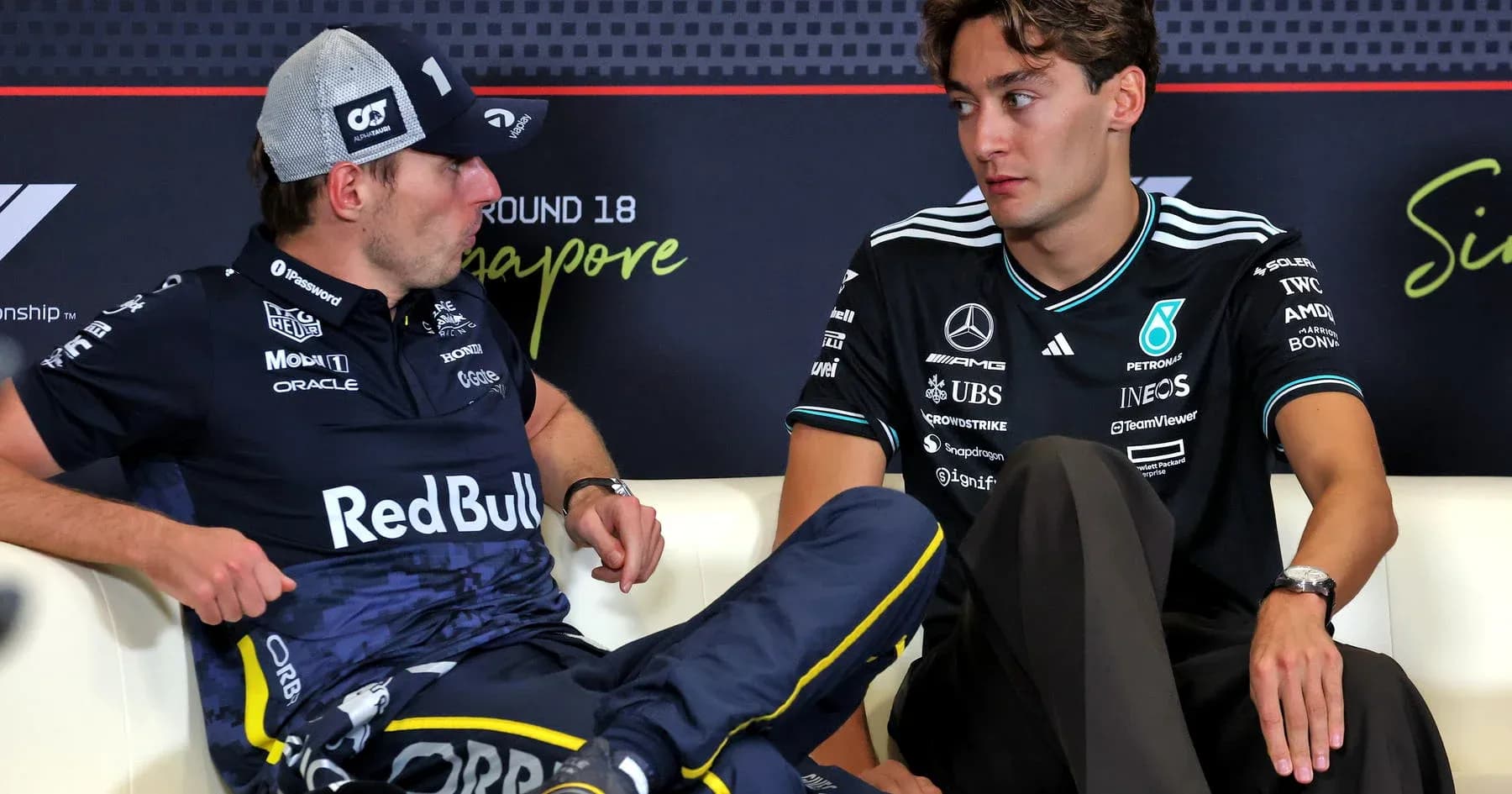
Russell managed to reverse out and limp home in ninth. On a night when he had publicly taken aim at Verstappen’s driving after qualifying, declaring “somebody has got to stand up to that guy”, the outcome stung.
Verstappen’s response came over the radio as soon as he saw the Mercedes buried in the wall: “Hah, hah. Well done. My God.” The world champion had already answered on track. Now he had the last word as well.
With Russell out of the way, Antonelli looked like the only man left with the pace to chase Verstappen down. That assumption lasted barely a lap.
McLaren ambush on the Strip
From deep in the field, the McLarens had been carving through the mayhem. Oscar Piastri, starting 17th thanks to an engine penalty, produced one of the drives of the night to drag himself into the lead train. Lando Norris, at one stage shuffled out of the top 10 in the early chaos, kept his head and his tyres alive.
By the penultimate lap, they were third and fourth, stalking Antonelli. As the field hurtled towards the final corner to start the last lap, both orange cars pounced. Almost in formation — though not planned that way — Norris and Piastri swept around the outside of the Mercedes in a bold, synchronized strike.
Antonelli was boxed in, shuffled back, and with that Verstappen finally had clear air. The Red Bull disappeared up the road, the fight for the win over in an instant.
Norris brought the McLaren home in second and tried to make sense of what he had just lived through, calling it “the most chaotic race ever in the history of Formula 1” and admitting that for long stretches he barely knew what was going on.
Ferrari in the wars
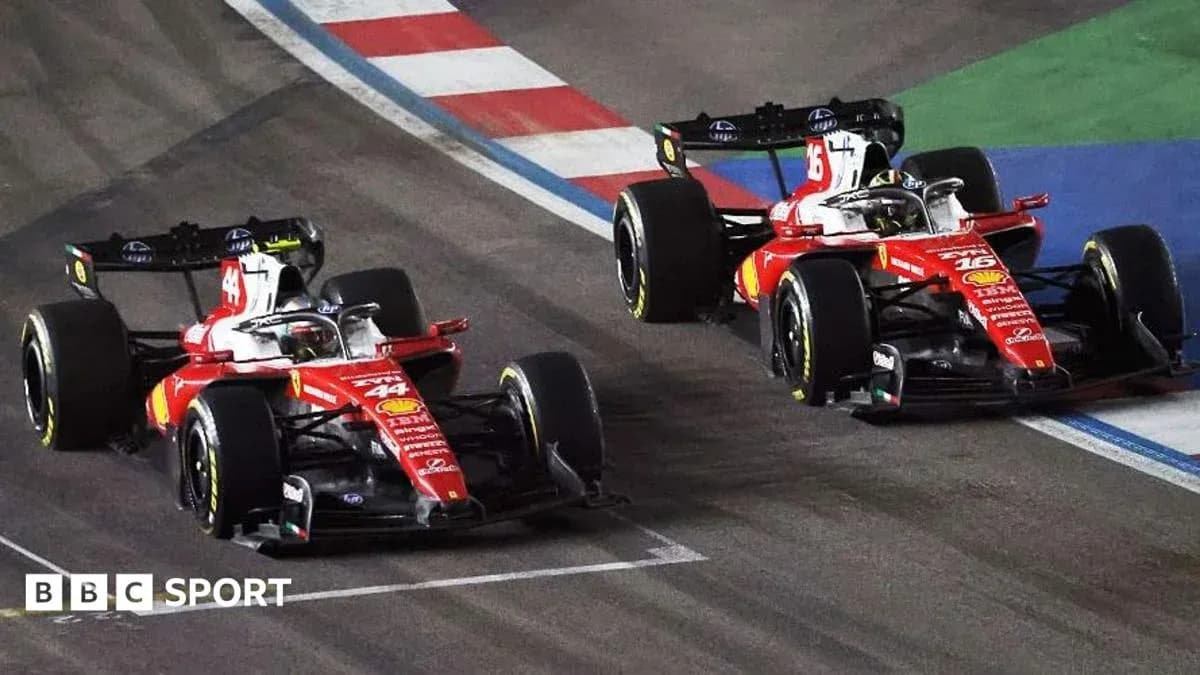
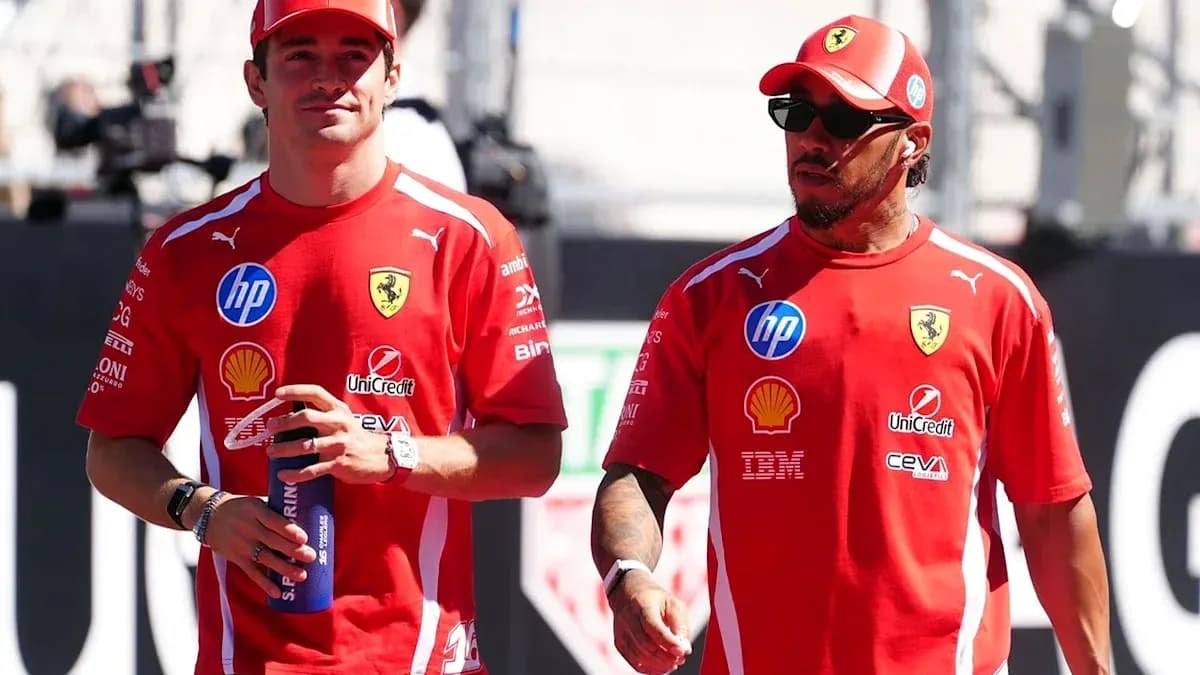
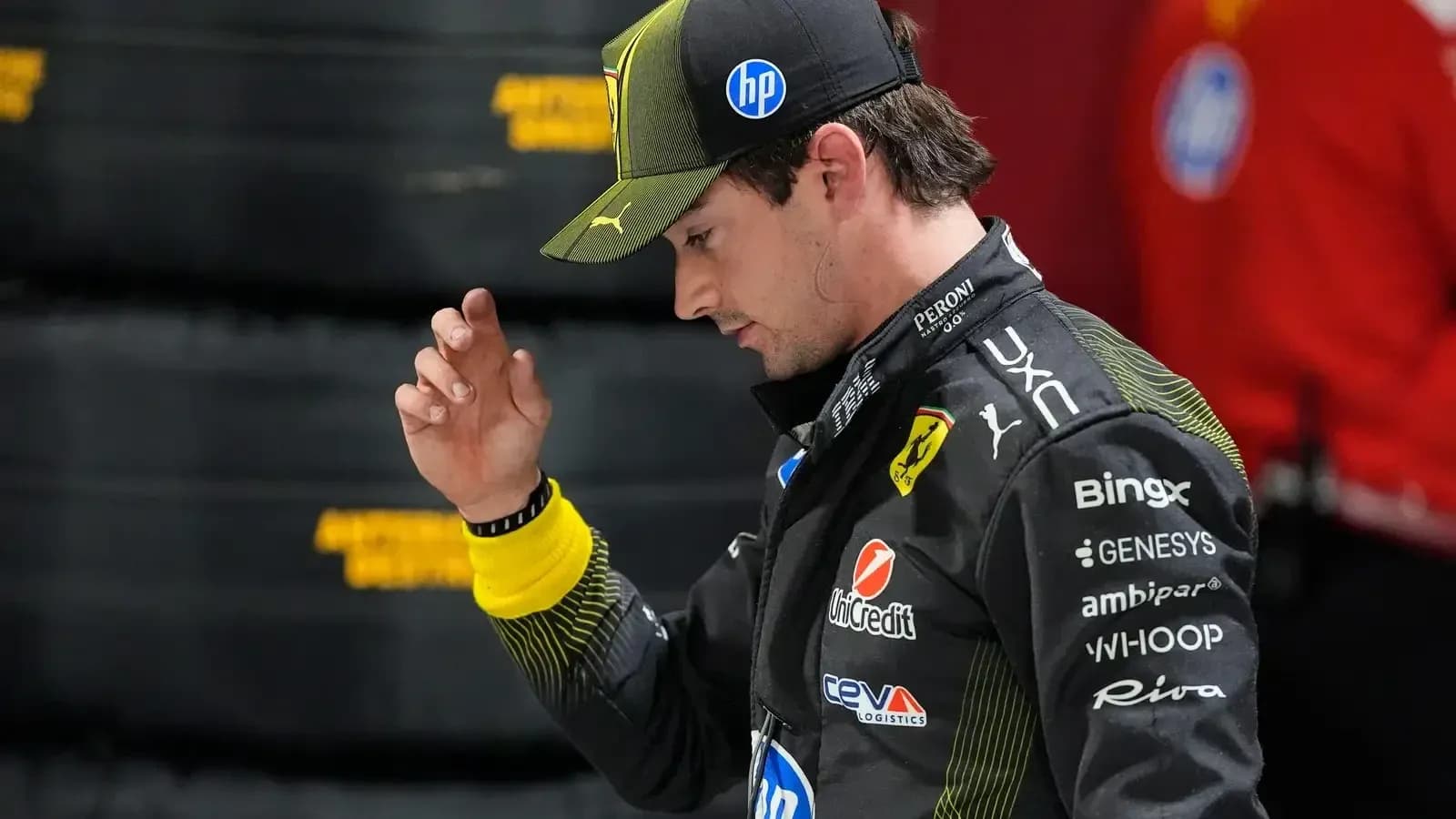
Ferrari’s night unravelled in a different way. Charles Leclerc picked up a 10-second penalty for tipping Lewis Hamilton into a spin, another flashpoint in a race that punished the slightest misjudgement.
Hamilton, though, hardly had clean hands. Earlier in the grand prix he had been hit with his own 10-second penalty for passing Norris off the track in a multi-car fight that also featured Leclerc. Both scarlet cars left Las Vegas with more questions about discipline than about speed.
Amid all of that, Verstappen still wanted to know the numbers. “How many overtakes did I do?” he asked on the slowing-down lap, thinking back over a race that evoked the old Monza slipstreamers of the 1960s and early 1970s.
His new engineer Tom Hart didn’t need a spreadsheet to capture the essence of it. “Yeah, and not many of them on the straight,” he replied, a neat summary of how Verstappen had out-thought and out-driven Mercedes in a contest built around energy deployment and razor-thin margins.
On a night when Formula 1 flirted with the chaos of American oval racing and the limitations of its own hybrid engines, Verstappen once again found a way to stay one move ahead. In a city built on risk, the surest bet on the Strip was still the man in the Red Bull.