Oscar Piastri's Remarkable Surge to Podium in Las Vegas
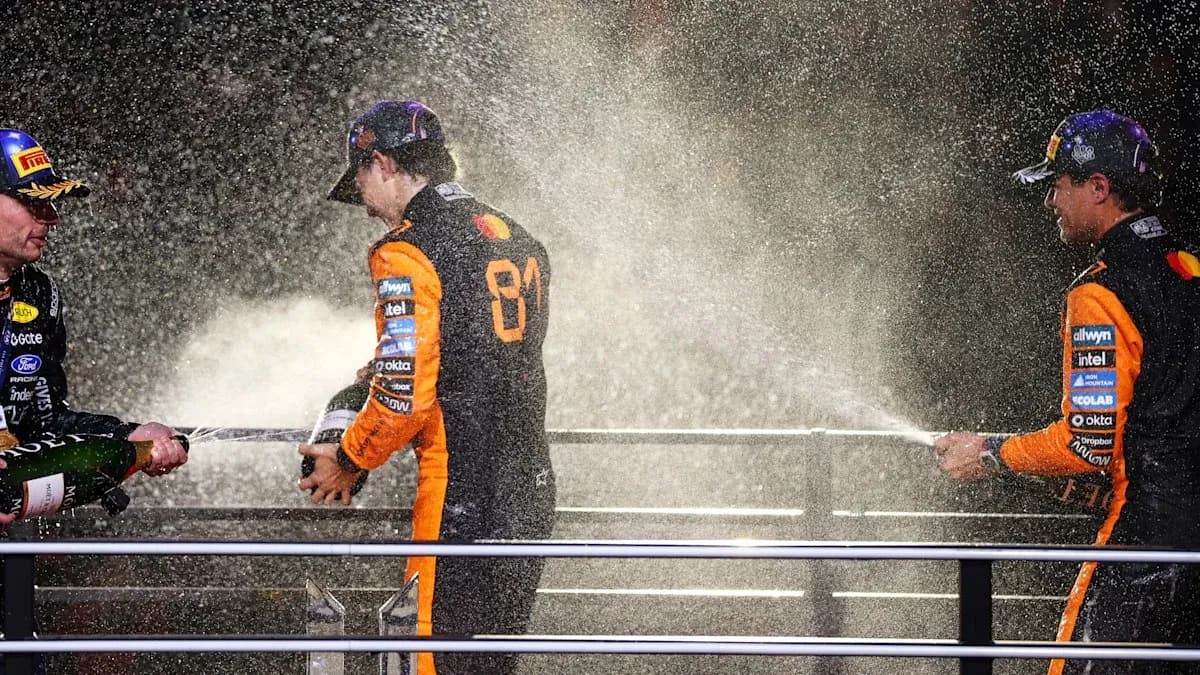
Oscar Piastri tore up the script in Las Vegas, storming from 17th on the grid to a remarkable third-place finish under the neon glare of the Strip, as McLaren locked out the podium places behind the now-familiar winner, Max Verstappen.
For Piastri, it ended a six‑month wait. No podium since Miami in May. No sign, on Saturday night at least, that this would be the race to break the drought. Then the lights went out, the race exploded into chaos, and the Australian drove like a man who had no interest in probability.
Piastri surges from the shadows
Seventeenth on the grid in a field this tight usually means damage limitation. Piastri turned it into a launching pad.
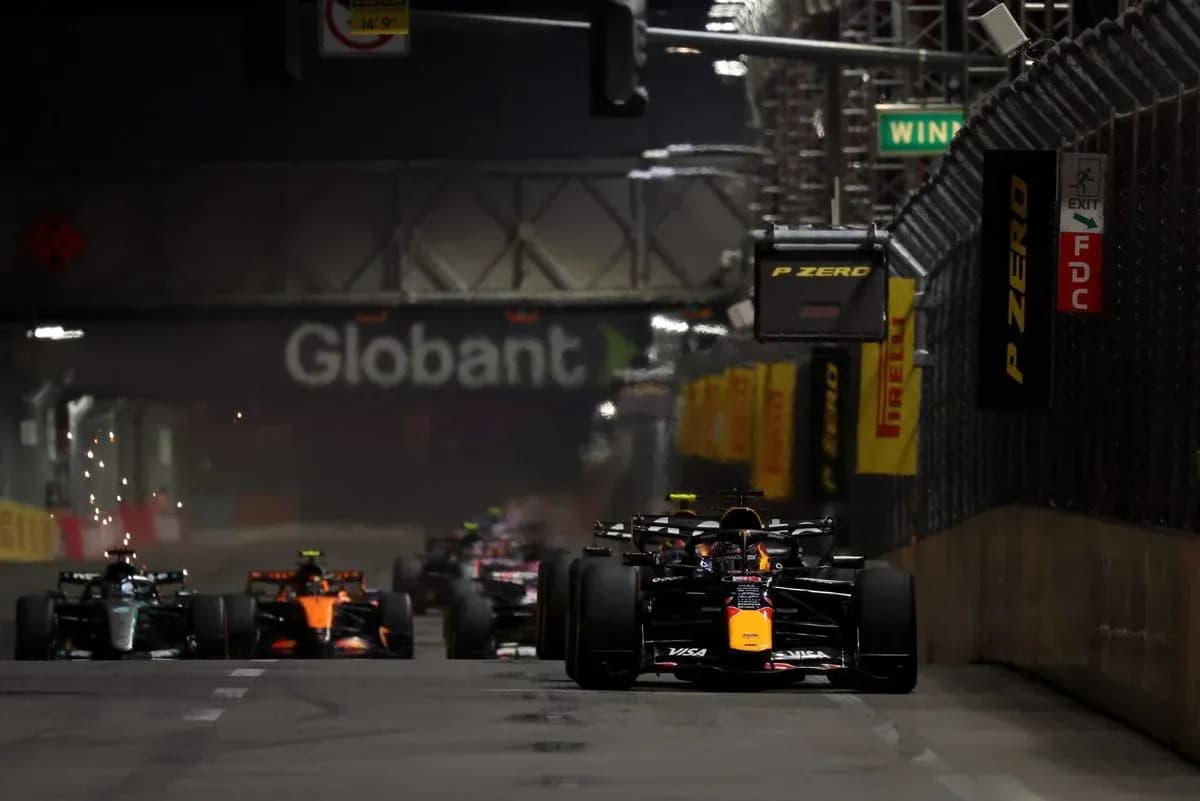
He carved through traffic, picked off cars in bunches, and somehow kept his head in a grand prix that refused to settle. Thirty‑five lead changes, packs of cars running nose-to-tail, and a slipstream effect so wild it turned the long straights into a lottery.
From the cockpit, Piastri could feel it.
Starting at the back, he admitted he had no idea how the race would unfold, only that progress came quickly and the field bunched into one long, snarling train. The double-stack pit stop at McLaren looked, for a moment, like it might derail his charge, but the strange rhythm of the race saved him. Nobody could break free. Nobody could breathe.
One lap, you sailed past a rival on the straight as if they had lifted. The next, you were the one stranded, watching a car blast by with the help of the same invisible tow. Strengths and weaknesses shifted corner to corner, straight to straight. It felt random. It looked relentless.
Each time Piastri latched onto the back of that lead group, it felt like the race might crack open for him. Catch the train, clear a couple of cars, and suddenly the win seemed to dangle within reach. Then reality hit: once in front, the loss of slipstream dragged you back towards the pack like an anchor.
In that chaos, composure mattered. Piastri kept his. By the flag, he had gained 14 places and climbed onto the podium alongside teammate Lando Norris, the pair turning McLaren’s night into one of ruthless opportunism.
Verstappen rules the madness
Amid the carnage, one constant remained. Verstappen won again.
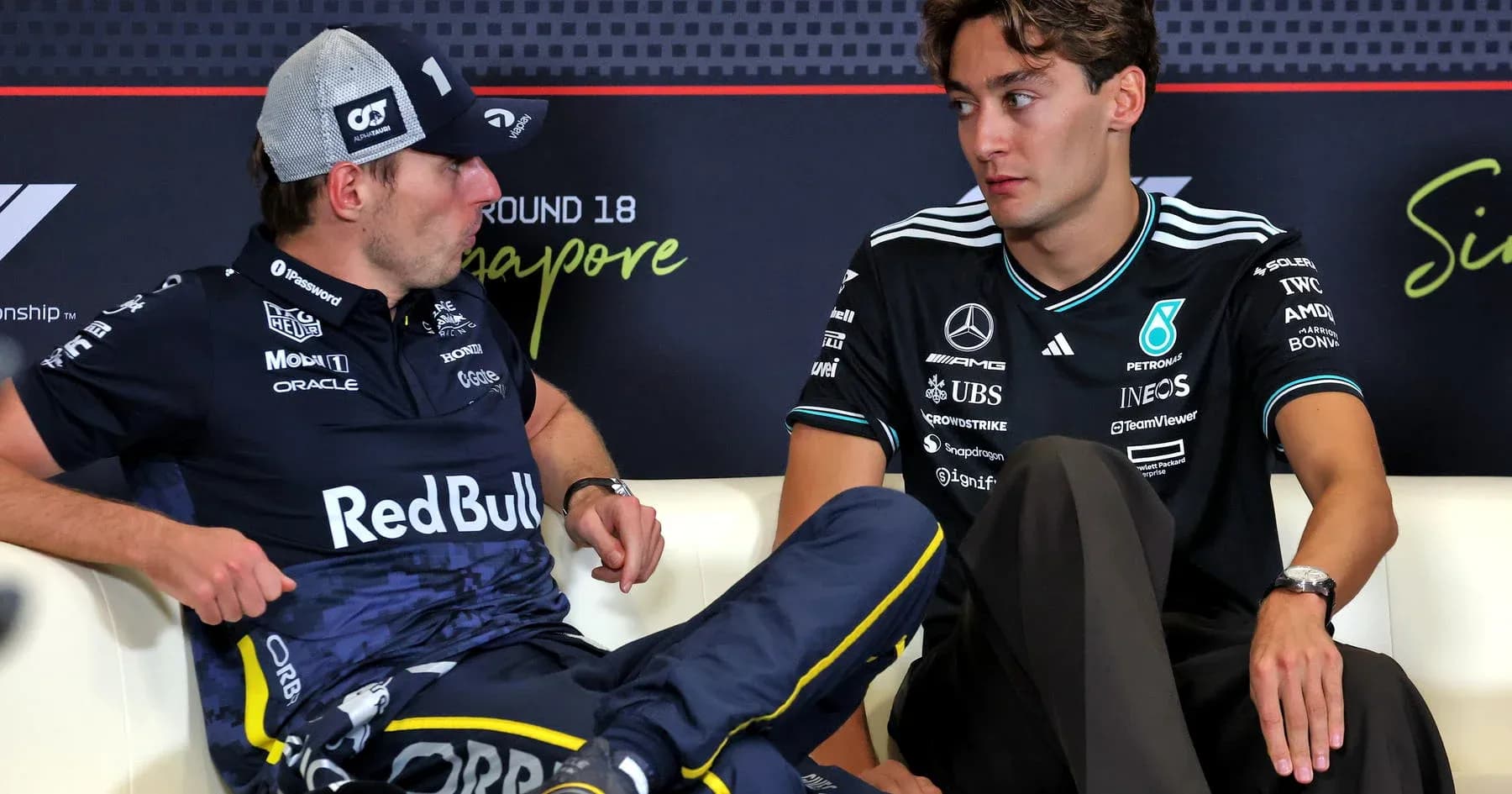
The Dutchman managed the madness better than anyone, threading his way through the lead changes to secure yet another Las Vegas triumph — his third in four years at this venue. When the race turned wild, he stayed sharp. When others cracked, he didn’t.
On a night where strategy sheets might as well have been shredded, Verstappen still found a way to bend the race to his will.
Mercedes unravel at the death
For Mercedes, this will sting.
At one stage, they looked set for something substantial: a victory shot, a double podium, at the very least a statement drive in a season that has asked too many questions of them. Then the race bit back.
George Russell’s night came apart first. On the penultimate lap, chasing hard, he found the barrier at turn five. One mistake, one heavy price. Any hope of a late charge vanished in a thud of carbon fibre.
As if that wasn’t brutal enough, Kimi Antonelli’s race collapsed just as the final lap began. He rounded the corner only to feel the power drain away. No drama, no contact, just a sudden loss of drive at the worst possible moment.
The timing could not have been crueller. Both McLarens swept past, smelling blood, while Antonelli was left to fight for scraps instead of silverware. He dug in, clinging on as Pierre Gasly attacked for fourth, but the damage to Mercedes’ evening was already done.
What could have been a defining night became a painful reminder of how quickly this sport turns.
Ferrari’s friendly fire
Ferrari’s race never quite settled either, and this time the wounds were self‑inflicted.
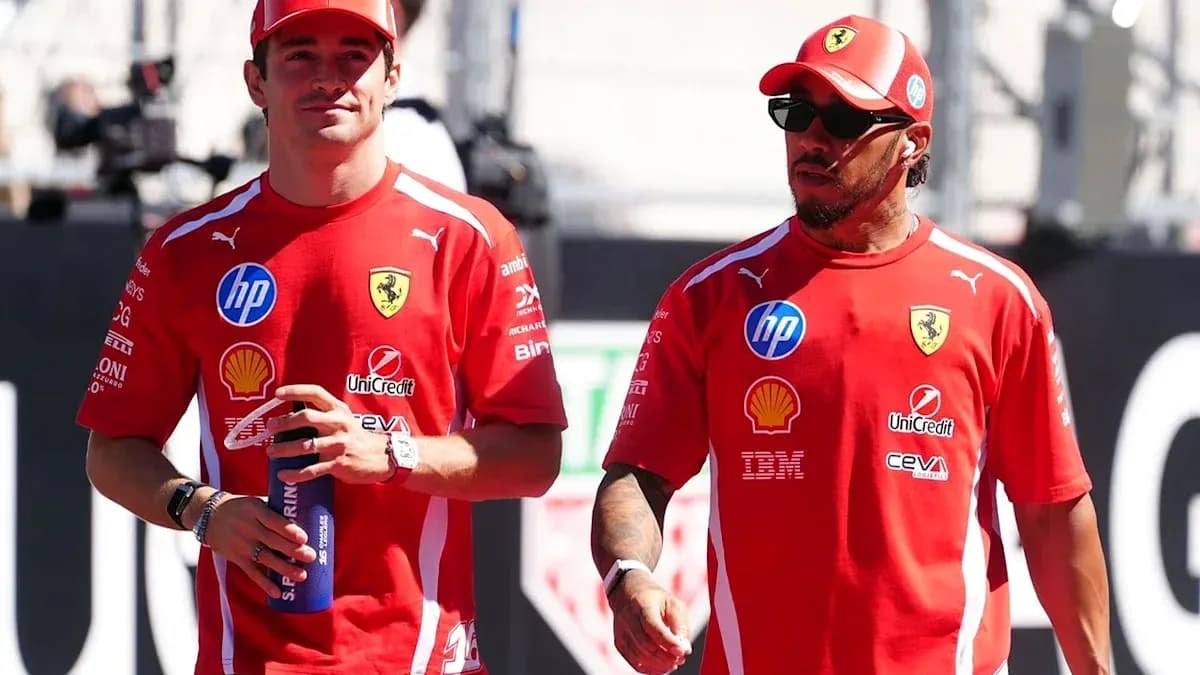
Lewis Hamilton and Charles Leclerc both walked away with 10‑second penalties. Both will know exactly where the stewards felt the blame lay.
Hamilton’s sanction came first, for leaving the track and gaining an advantage in an early scrap with Norris. It was a marginal moment with a clear outcome: advantage taken, advantage punished.
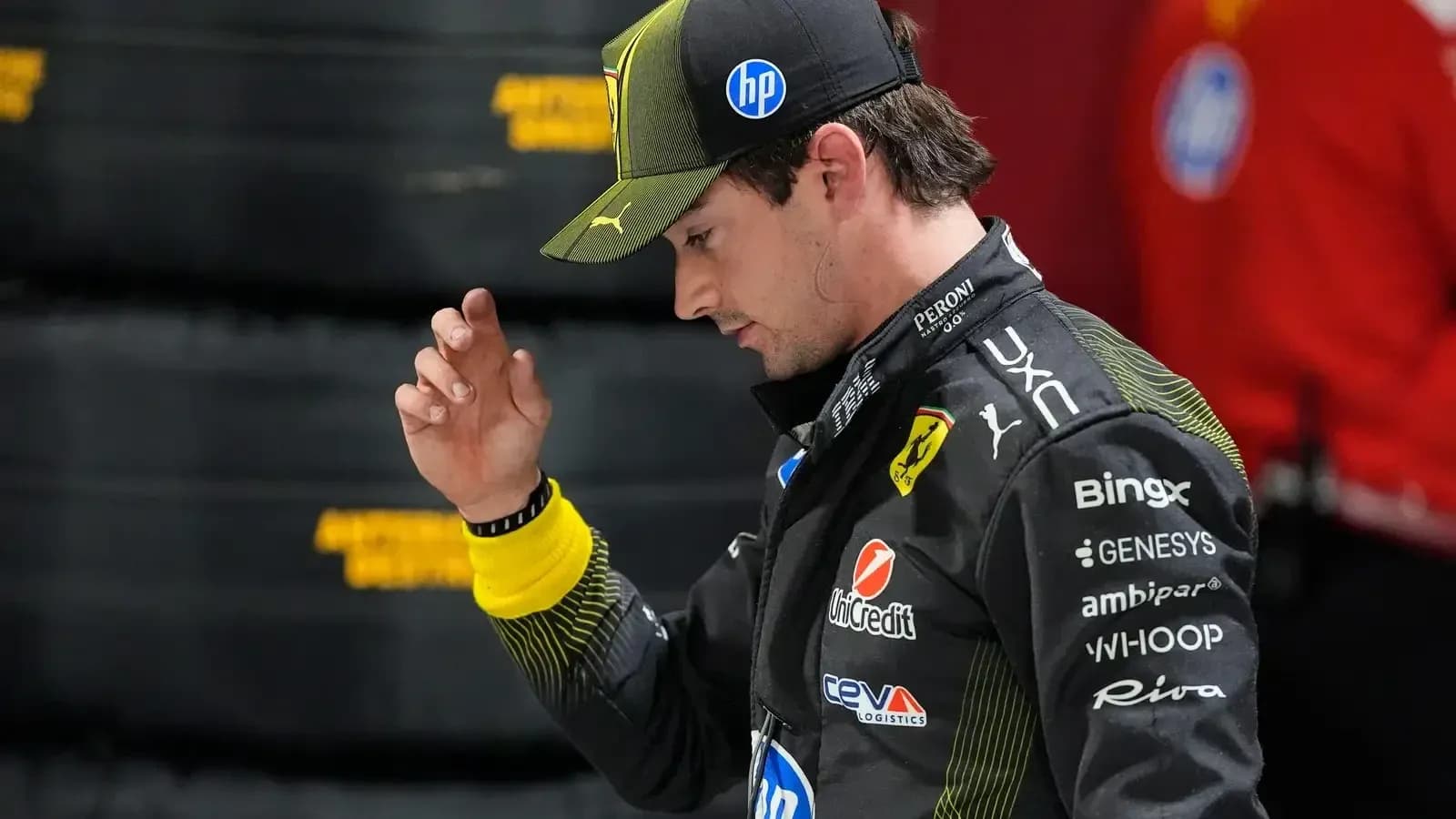
Leclerc’s penalty cut deeper.
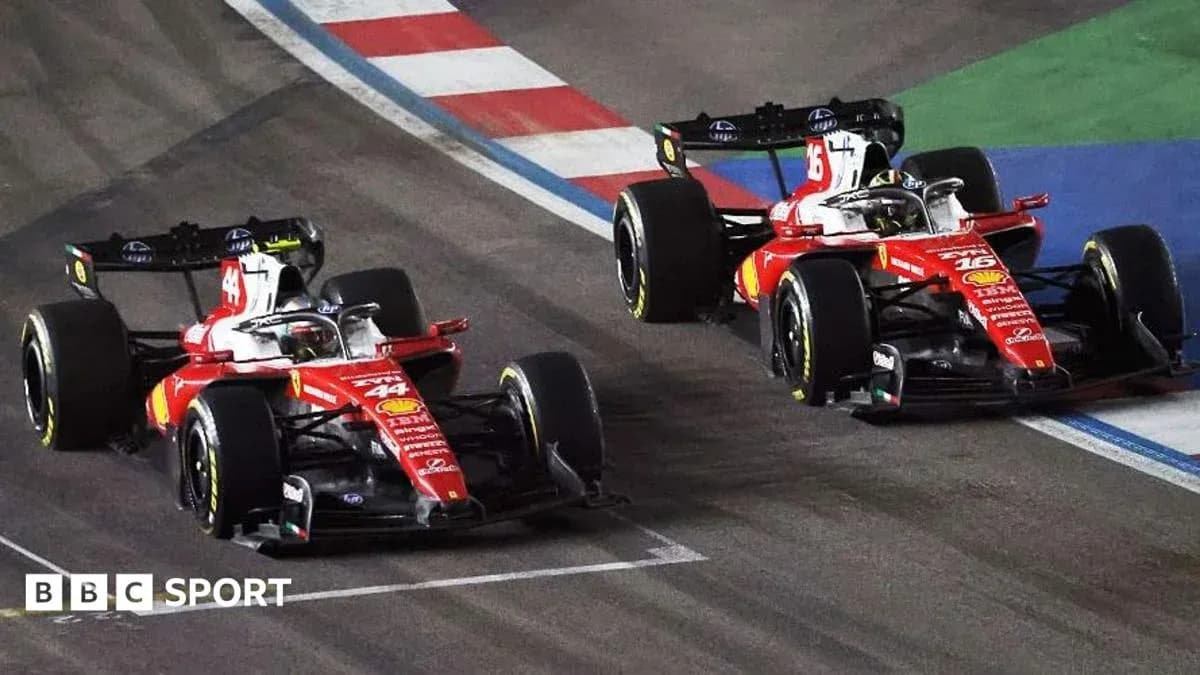
On lap 38, both Ferrari drivers were locked in combat, fighting each other as much as the cars around them. They barrelled into turn five, tensions high, margins thin. Leclerc’s front right clipped the rear of Hamilton’s car, spinning the seven‑time world champion around and detonating any hope of a clean Ferrari finish.
The stewards held Leclerc wholly responsible. No shared blame, no grey area. Just a straightforward call that will echo loudly in the Ferrari garage.
This was not an isolated flashpoint. Ferrari have already endured multiple intra-team clashes over the 2026 season, each one chipping away at trust and patience. This latest incident will only intensify the debate: how hard should teammates fight each other when the bigger picture is slipping away?
On a night when the Strip delivered chaos, slipstreams, and a 35‑change tug-of-war at the front, McLaren seized their moment, Verstappen extended his grip on Las Vegas, and Ferrari and Mercedes were left to sift through the wreckage.
The lights will go out somewhere else next time. The questions this race raised — about discipline, composure, and control under pressure — will travel with them.