Qatar Grand Prix Tyre Cap Set at 27 Laps
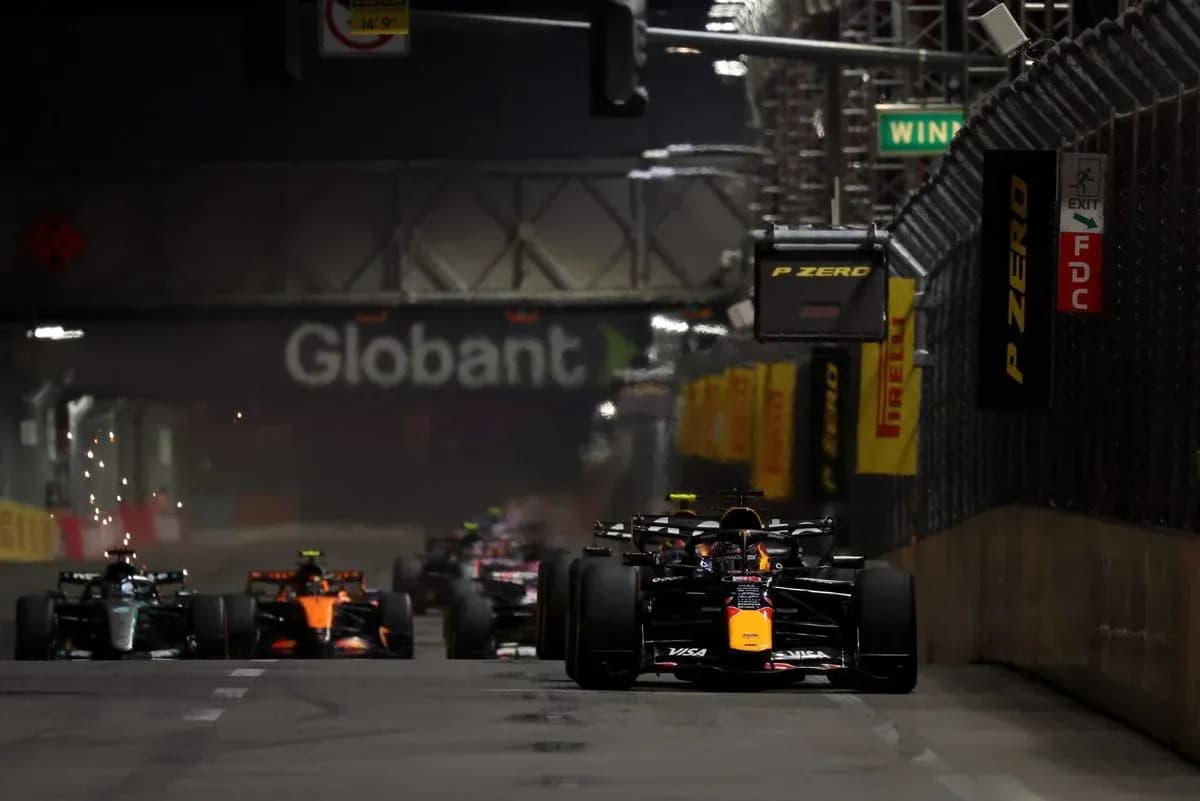
The Qatar Grand Prix will be a sprint in name but a chess match in reality. At Lusail next weekend, Formula 1 teams will not be allowed to run any tyre for more than 27 laps, a hard cap imposed after fresh concerns over Pirelli’s rubber at the high-speed circuit.
The race distance is 57 laps. Do the maths. Everyone is locked into at least two pit stops.
This is not a gentle suggestion. It is a firm limit, and it covers the entire life of each set of tyres across the weekend. Any lap a driver turns on a given set in practice or qualifying eats into that tyre’s allowance for Sunday. A handful of exploratory laps on Friday could be the difference between stretching a stint or being forced in early under pressure.
Strategy Redrawn Before Lights Out
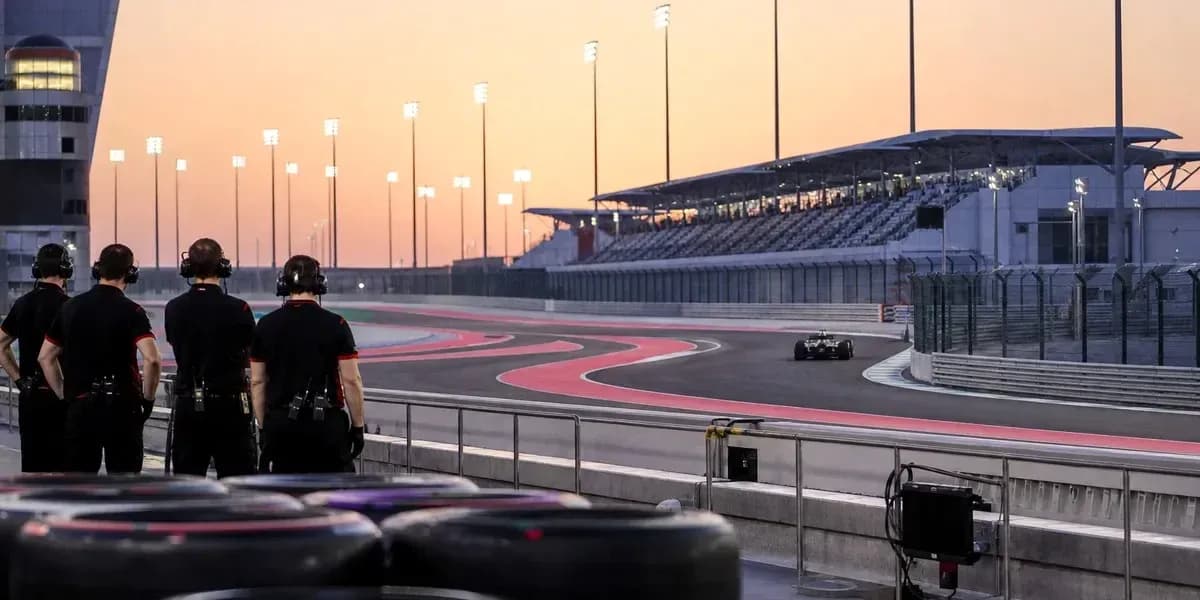
Lusail punishes tyres. Long, loaded corners and high speeds generate huge energy and temperature spikes, and Pirelli has seen enough. This is the third time in four years that the company has enforced a lap cap in Qatar, and it has framed the latest move as a precaution against excessive wear and structural stress.
Last year, the ceiling sat at 25 laps per set. For 2026, Pirelli has pushed that to 27, pointing to two key changes: the expected lower downforce levels of the new-generation cars compared with the 2025 machines, and additional reinforcement built into the tyre construction. That combination has given the manufacturer just enough confidence to loosen the leash slightly, but not to remove it.
The detail matters. Every lap from the start signal to the chequered flag will count toward the 27-lap limit. Safety car laps? They count. Virtual safety car laps? They count as well. Teams will not be able to hide tyre mileage behind neutralised racing.
Reconnaissance laps to the grid, the formation lap, and the slow-down tour after the flag sit outside the calculation. Yet in all other sessions, the rule tightens again: even a lap that is started but not finished is logged as a full lap for that set. There is no such thing as a “free” out-lap in Qatar.
A Weekend Built Around Rubber
The knock-on effect is clear. Practice runs must be measured, qualifying simulations carefully rationed, and race plans built around a strict tyre clock that never stops ticking. Engineers will juggle stint lengths, compound choices, and fuel loads while constantly checking how many laps remain on each set.
For the drivers, the message is simple but unforgiving: manage the tyres or the tyres will manage you.
Lusail has already built a reputation as a place where rubber dictates the story. With Pirelli once again stepping in to draw a line on tyre life, this year’s Qatar Grand Prix will test who can live on that line without crossing it.