Tom Blundell's Dominance Against India: A Near Century
Tom Blundell walked off just short of a hundred, but by then he had already bent the match to his will.
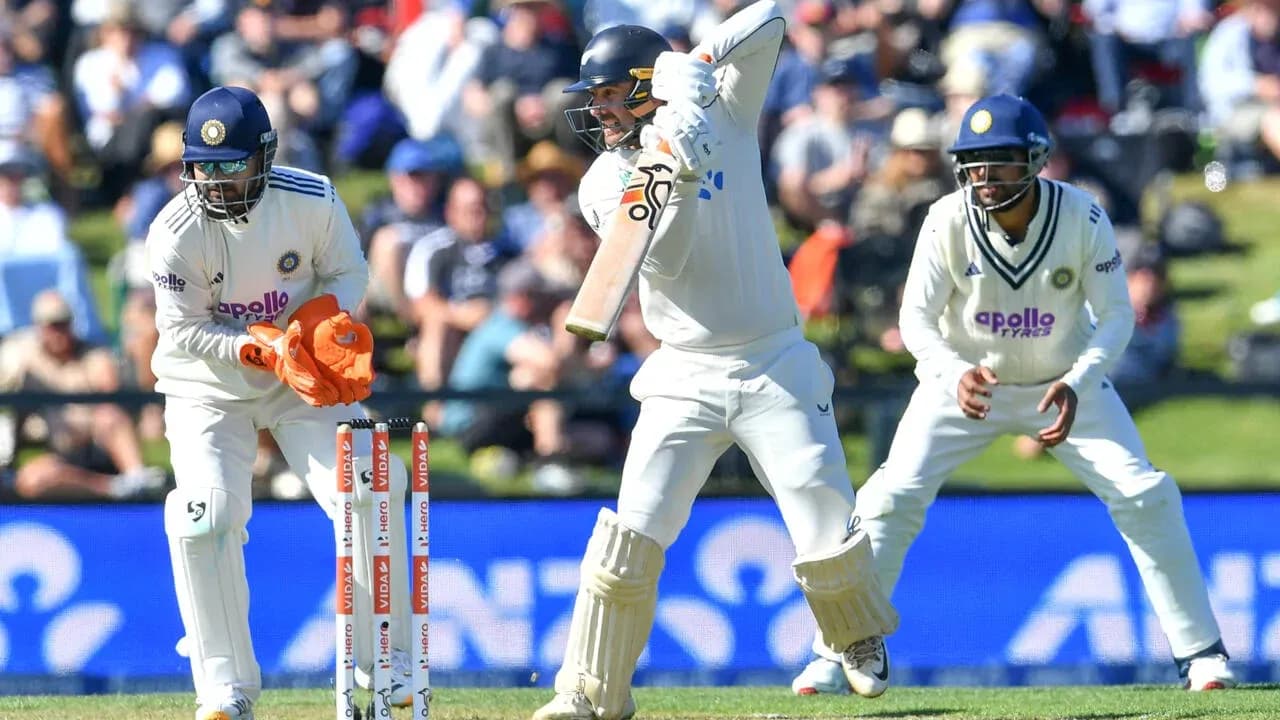
New Zealand’s wicketkeeper-batter fell for 89 shortly after lunch on day two, finally undone on the hook as Deep held his nerve on the fine-leg rope off debutant Gurnoor Brar. It was a dismissal that cut through the afternoon hum: the man who had bullied India’s short-ball plan into submission, beaten at last by the very tactic he had dominated.
The end came quickly from there. In the next over Deep closed the innings, finding the outside edge of Matt Henry, whose brisk 19 had been pure counterpunch, and New Zealand’s effort was finally wrapped up after a morning that had promised India far more than it delivered.
New Zealand had resumed on 246-5, Glenn Phillips 36 not out and Blundell on 53, with the innings delicately poised. Any hopes India had of an early clatter were at least partially realised when Phillips nicked off in just the second over of the day, edging Anshul Kamboj through to the keeper without adding to his overnight score.
That brought Nathan Smith to the crease and, with him, a different tempo. Smith settled quickly, driving with authority and giving Blundell the support he needed. Their 44-run stand steadied New Zealand, Smith contributing a fluent 26 before he pushed one back to Deep, who accepted a sharp caught-and-bowled chance.
If India thought that breakthrough would ease the pressure, Blundell had other ideas.
The mood shifted when Gurnoor Brar, fired up on debut, started chirping at the Wellingtoner. The sledging backfired. Blundell, one of New Zealand’s most assured players of the short ball, treated the barrage as an invitation. He launched into a series of emphatic pulls, hammering anything chest-high to the boundary and dragging the initiative back his way.
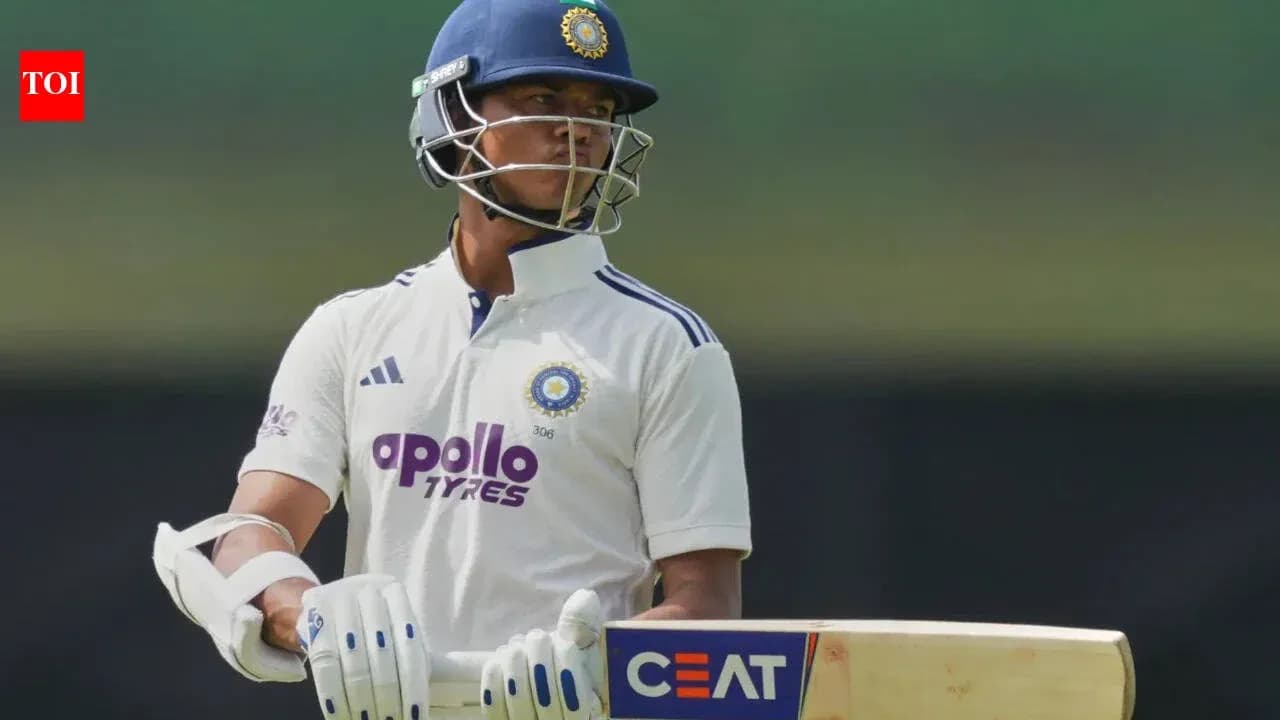
Kyle Jamieson then added a burst of theatre. His 19 was brief but box-office, swinging hard and forcing India’s seamers to keep searching for answers. Deep eventually removed him, Yashasvi Jaiswal flinging himself forward in the deep to complete a superb diving catch that finally cut short the cameo.
India still could not close the door. Henry arrived and was put down first ball, a chance that would have given Deep a five-wicket haul. Another opportunity went begging in the last over before lunch, India’s frustration deepening as New Zealand’s tail wrung out more runs.
By the interval, New Zealand had added 84 in the session for the loss of three wickets, a return that underlined both their resilience and India’s waywardness. The numbers were damning. On the opening day, ball-tracking showed that only 32 of India’s 517 deliveries would have gone on to hit the stumps. Too short, too often, and Blundell in particular cashed in.
The pattern held into the second morning: aggression without consistent discipline, flashes of hostility but not enough pressure at the top of off stump. When the chances finally did come, they slipped through fingers.
New Zealand’s eventual total, built on that stubborn middle-order spine and a defiant tail, carries weight beyond this match alone. They sit third on the World Test Championship table, one rung above India in fourth. On this evidence, they intend to stay there—and perhaps climb higher—by punishing any side that dares to bowl short without a plan.