Tyre Management Rules for Qatar Grand Prix
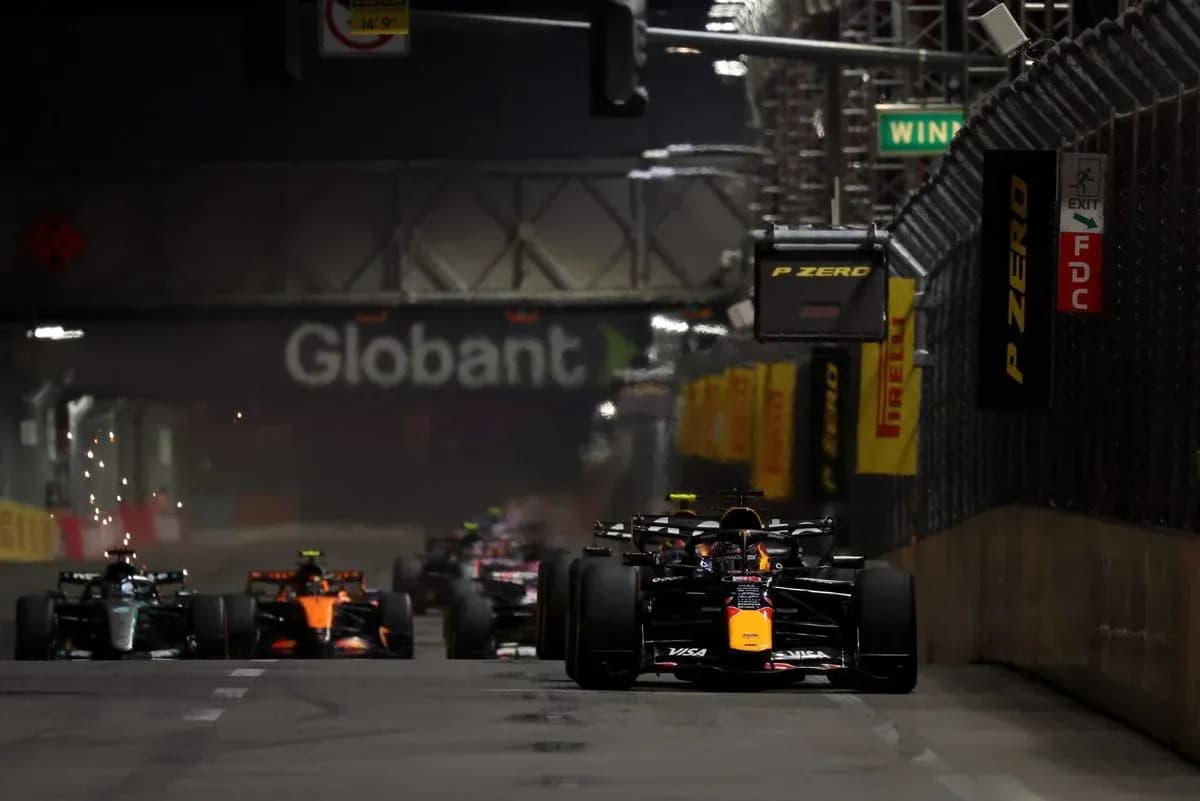
Formula 1 will head into next weekend’s Qatar Grand Prix under strict tyre management, with drivers capped at a maximum of 27 laps on any single set of Pirelli tyres around the punishing Lusail circuit.
This is not a tactical wrinkle. It’s a safety line.
Lusail’s high-speed layout, loaded with long, sweeping corners and flat kerbs that tempt drivers to run wide, has again raised alarms over tyre integrity. In response, Pirelli and the FIA have agreed on a hard limit that will force at least two pit stops over the 57-lap race, echoing last year’s enforced multi-stop strategy.
The rule is simple in wording, brutal in execution: every set of tyres has a life of 27 laps, total, whenever and wherever it’s used. That clock starts the moment the rubber first touches the track in any session.
So a set that does 10 laps in practice? It only has 17 laps left if a team wants to use it on Sunday. Qualifying runs, long runs, exploratory laps – they all eat into that allowance. Teams will need to track every lap with forensic precision.
Pirelli has stretched the limit slightly compared with last year’s 25-lap cap, pointing to lower load levels on the current generation of cars and a reinforced tyre construction. The supplier described it as a “precautionary measure”, tied directly to Lusail’s extreme demands: high energy loads, intense thermal stress and heavy tread wear.
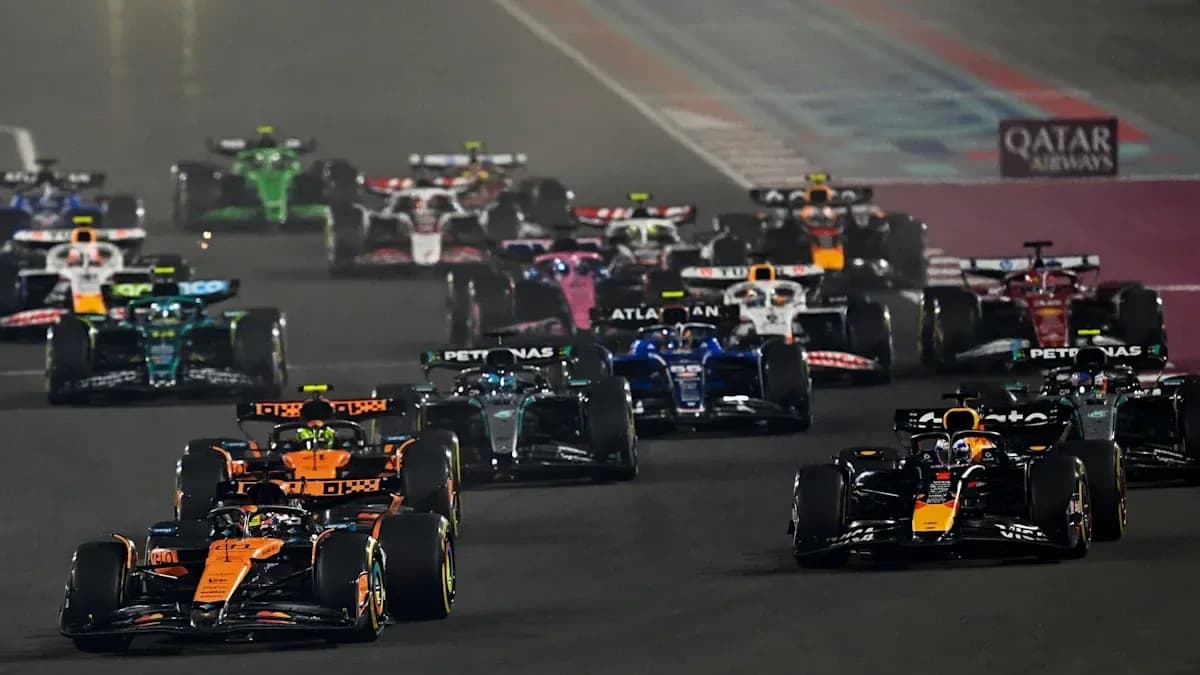
The numbers may have nudged up, but the memory of 2023 still stings. Back then, the limit triggered one of the standout strategic missteps of the season. McLaren, in position to fight for victory, stayed out under a safety car when rivals pitted. With everyone locked into strict tyre mileage, that single call cost them a shot at the win. The rule didn’t just shape strategy; it punished hesitation.
Now, for the third time in four years, Qatar will run under a tyre-duration ceiling. The pattern is clear: this track asks too much of the rubber to leave it to chance.
The enforcement will be unforgiving. Laps will be counted cumulatively across all track action, including those completed under the safety car or virtual safety car. In the grand prix itself, everything from lights out to the chequered flag counts toward the total.
There are a few important exceptions. Reconnaissance laps to the grid, the formation lap, and any laps after the race ends will not be included. Everywhere else, the rule tightens again: start a lap, and it counts as a full one, even if the driver ducks into the pits before crossing the line.
Teams won’t be able to game the system by mixing part-worn tyres, either. If a set is assembled from tyres with different mileages, the highest lap count on any individual tyre will define the official mileage for that entire set.
All of this turns Qatar into a strategic minefield. Engineers will have to balance qualifying performance against race life, decide how much to commit in practice, and build race plans that can survive safety cars, changing conditions and late pressure.
Lusail already tests bravery in the cockpit. This weekend, it will test discipline on the pit wall just as hard.