UK to Host 2035 Women’s World Cup: Prince William Celebrates
The UK has secured the right to host the Women’s FIFA World Cup – but fans will have to be patient. The tournament is still more than a decade away, scheduled for 2035, yet the announcement has already sent a jolt of excitement through British football.
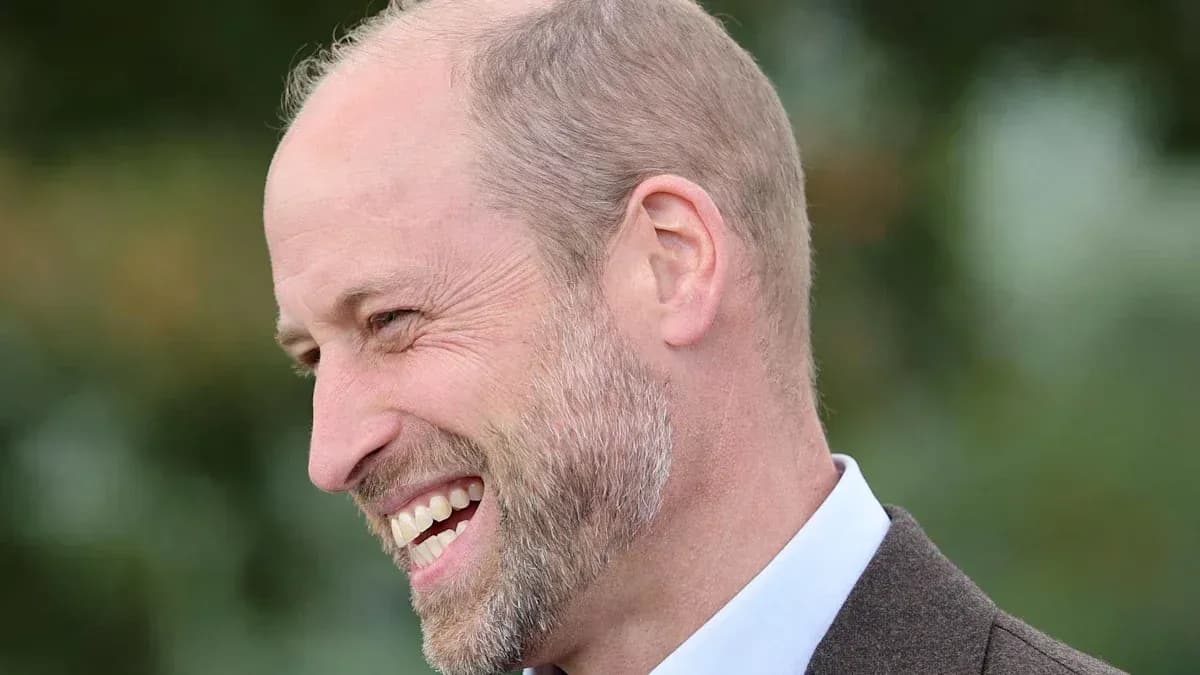
The Lionesses’ official Instagram account broke the news with a celebratory video, and one of the first high‑profile names to appear in the comments was the Prince of Wales. William, long associated with the English game, wasted no time in nailing his colours to the mast.
“As you may have seen, earlier today it was confirmed that we'll host the Women's FIFA World Cup in 2035,” he wrote beneath the post. “Brilliant news for women's football and the UK! A World Cup on home soil will give fans so much to cheer for and what a way to inspire the next generation. Bring on 2035! W.”
The reaction from supporters was instant and loud. “Let's gooooooooo, bring it on,” wrote one fan, echoing a mood that swept quickly through social media. Another added: “I'm so excited for this.” A third cut straight to the point: “Love to see it.”
The long lead‑in has already become a talking point. Female England supporters have jokingly suggested they still have time to get themselves into shape and force their way into the squad by 2035. The countdown is measured not just in years, but in possibilities.
By the time the first ball is kicked, William will be 53. His father, King Charles, will be closing in on 87. This is a World Cup that will sit in a very different chapter of the royal family’s story, but the heir to the throne’s enthusiasm for the game shows no sign of slowing.
A royal who lives the game
William’s delight at the announcement fits neatly with his long-standing role in football. He is Patron of the FA, having previously served as its President for 18 years until July 2024, and has used that platform to champion both the men’s and women’s game.
His connection runs deeper than ceremonial duties. In a recent guest‑edited edition of Country Life, he opened up about what he called his “fanatical” support for Aston Villa, describing the club as his “second family.”
“Since having children, I've become even more fanatical than I thought I would be about the game,” he said. “I wasn't like this when I was 18 or 20; I kept an eye from a distance. Now, I probably think and talk about Aston Villa every day. I enjoy looking to see what is going on: the stats, the players' recovery, tactics and matches.”
That obsession is something he is clearly passing on. Earlier this month, he took his 13‑year‑old son, Prince George, to Spain to watch Aston Villa face FC Barcelona. The teenager, like his father, now firmly identifies as claret and blue.
So the prospect of a Women’s World Cup on home soil is more than just a line on a royal diary. It is a landmark moment for a country that has fallen in love with its women’s national team and a royal who has made football part of his public identity.
The stage is set. The wait will be long. But for a generation of young girls pulling on boots for the first time, and for a prince who checks Villa’s stats daily, 2035 already feels like a date worth circling in red.