Max Verstappen Dominates Las Vegas Grand Prix in Spectacular Fashion
Max Verstappen has made a habit of turning Formula One races into exhibitions. In Las Vegas, he turned one into a work of theatre.
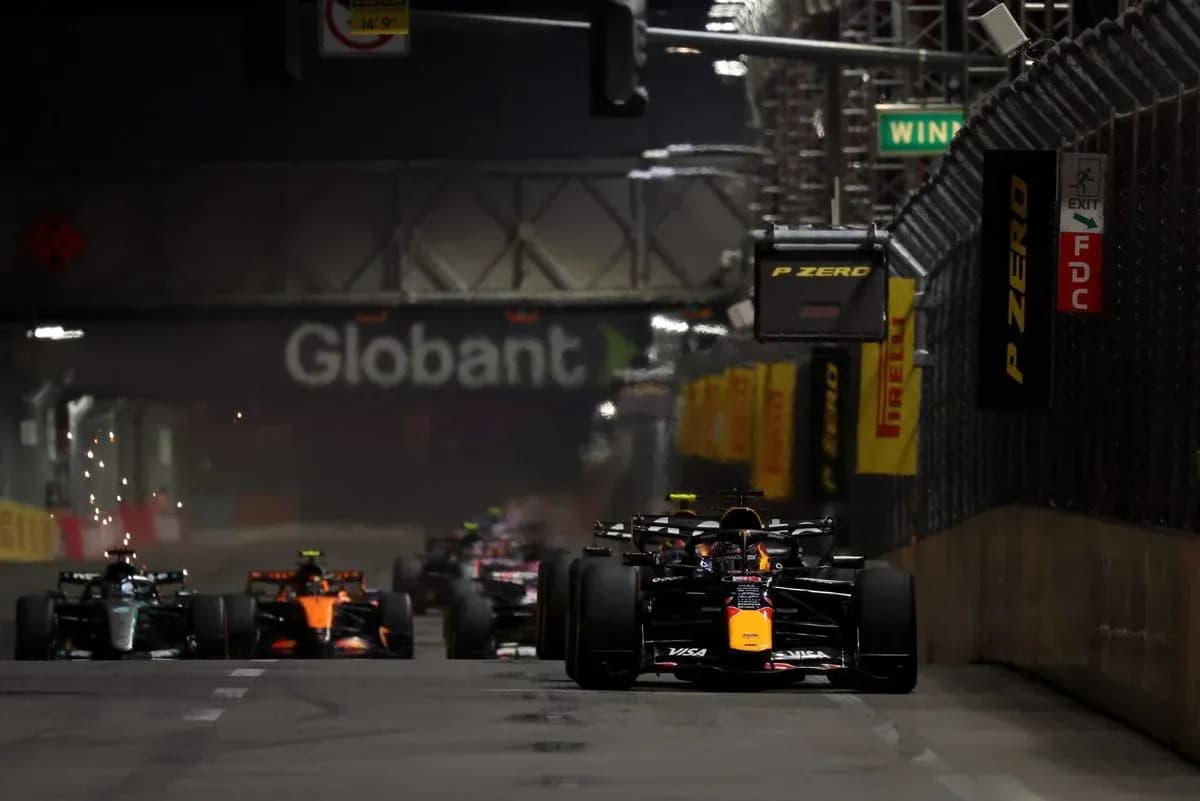
On a night when the Strip became a shimmering canyon of speed and noise, Verstappen won a Grand Prix that felt like it had been scripted for the city itself: wild, relentless, and impossible to look away from. The lead changed hands 34 times, yet when it mattered – on the final lap, under the neon glare – the same name was in front. Verstappen’s.
This was no routine Red Bull procession. It was old-school slipstreaming chaos, a race that echoed Monza 1971, when Peter Gethin stole victory by one hundredth of a second after 25 lead changes. For a spell in Nevada, even that sacred statistic looked vulnerable. On the timing screens late on, Verstappen’s advantage flickered down to a scarcely believable one thousandth of a second. When he finally took the flag six tenths clear, it felt almost luxurious.
Across the field there were 352 overtakes, the kind of number that makes statisticians double-check their equipment. With the current regulations, energy deployment games, active aero in straightline mode and a layout almost devoid of high-speed corners, breaking away was virtually impossible. The field stretched, snapped back together, and stretched again, a high-speed concertina lit by neon and camera flashes.
At the head of it all, Verstappen refused to yield.
A champion hunted, never caught
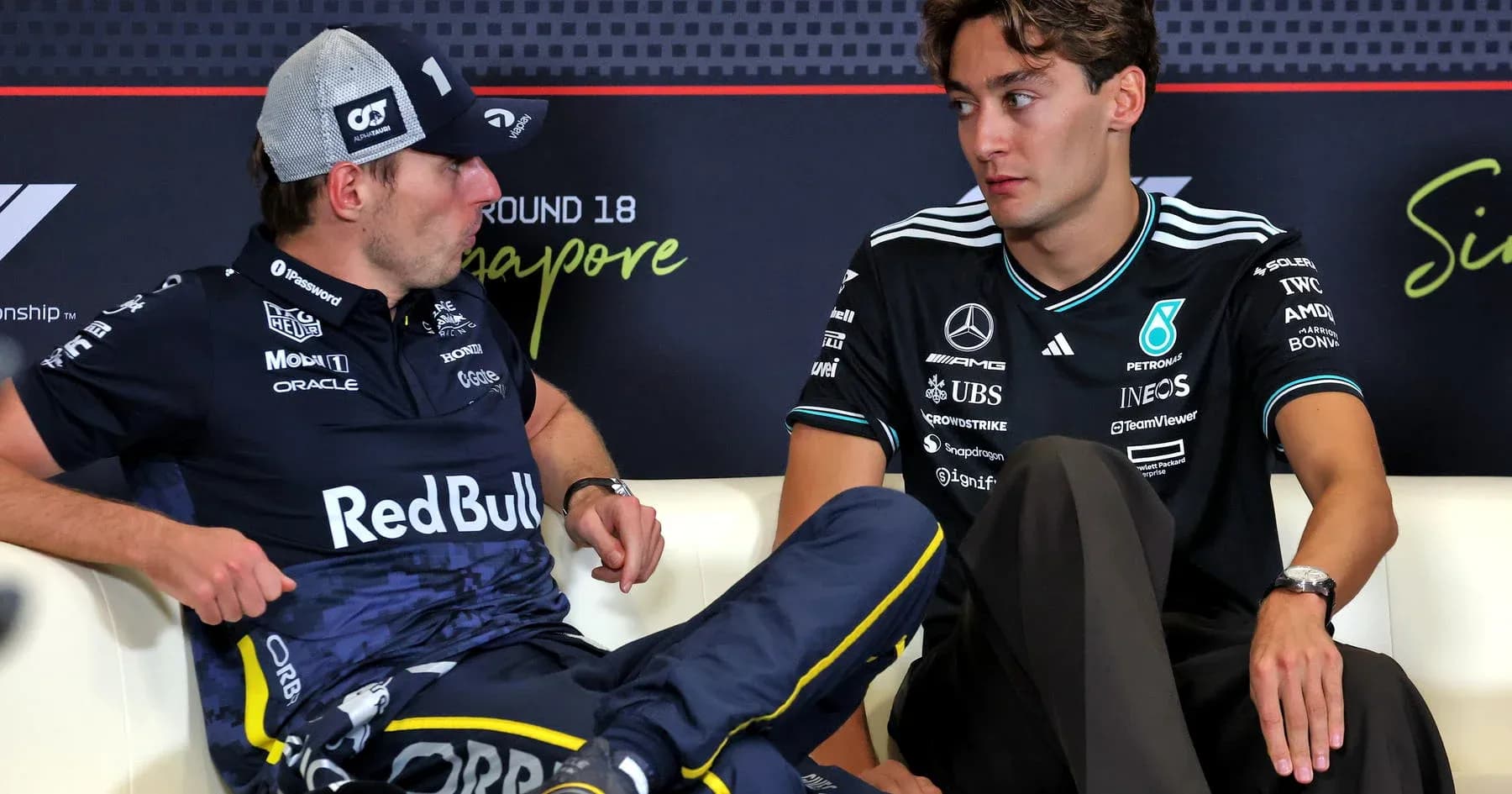
Rival after rival took a shot at him. George Russell in the Mercedes. Isack Hadjar in the other Red Bull. The reigning world champion, Kimi Antonelli. Lando Norris in the McLaren. Different cars, different liveries, the same outcome.
They would sweep past on the Strip, using the tow and battery deployment to slingshot by. Then, almost casually, Verstappen would answer. Turn 17 became his signature – the final corner, the ambush point. He would line the move up with millimetre precision, brake impossibly late, and reclaim what he clearly considered his property.
The pattern set in early. Russell closed in, drew alongside, and took the lead. The crowd roared. Moments later, Verstappen dived back at him into the last corner and restored order with a move that carried both calculation and contempt. It was a dance he repeated with Hadjar, with Antonelli, with Norris. They led for moments; he led when it counted.
Behind him, the pack ran like a high-speed commuter train, the top 10 compressed into five seconds at times. Fall back, and you were never out of it for long. Catch a tow, manage your deployment, and you were suddenly back in the fight. It was the sort of racing Sir Jackie Stewart, who once fought his own legendary slipstream duels with Jochen Rindt, would instantly recognise – wheel-to-wheel at ludicrous speeds, and yet almost entirely error-free at the front.
The only real mistake among the leading protagonists came from Russell. Having fought Verstappen almost all night, he pushed too hard, locked up late on and tumbled to ninth. Given the pair’s clash in practice earlier in the weekend, Verstappen will not have missed the irony.
Behind the winner, Norris led the McLaren charge in second, with Oscar Piastri backing him up in third. Antonelli salvaged fourth for Mercedes despite losing power at the worst possible moment on the final lap, while Pierre Gasly’s fifth for Alpine was a quietly accomplished reward after an evening when others chose chaos.
Ferrari light the fuse – again
If Verstappen was the leading man, Ferrari once more provided the subplot that refused to stay in the background.
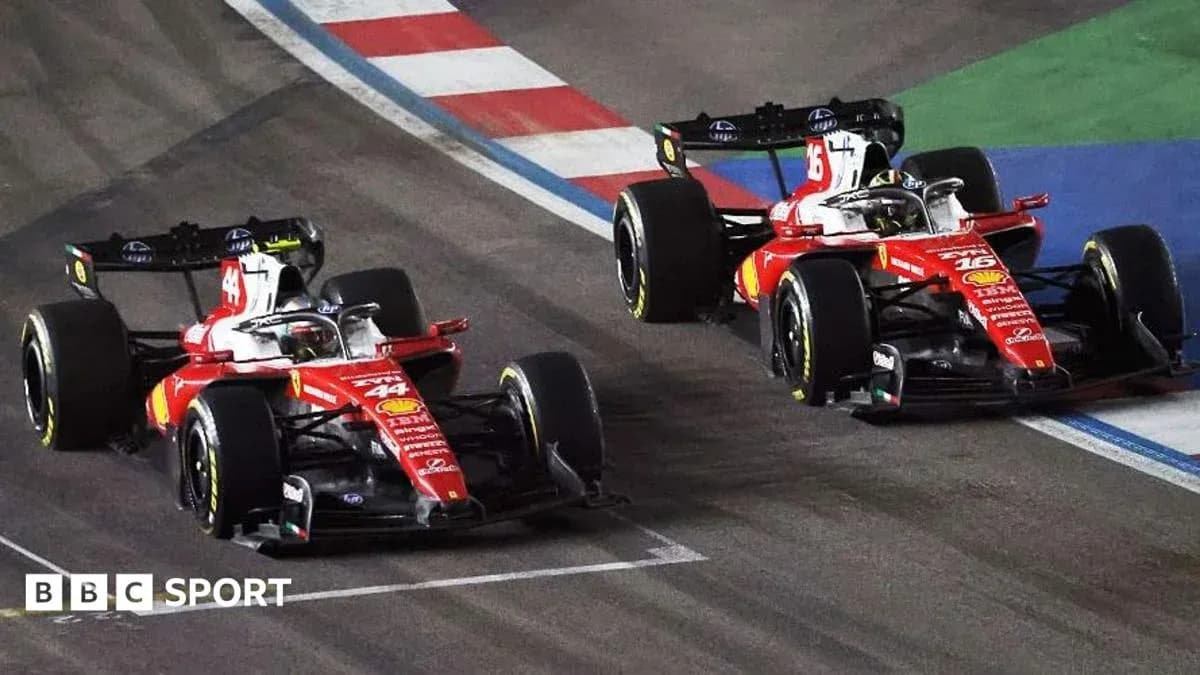
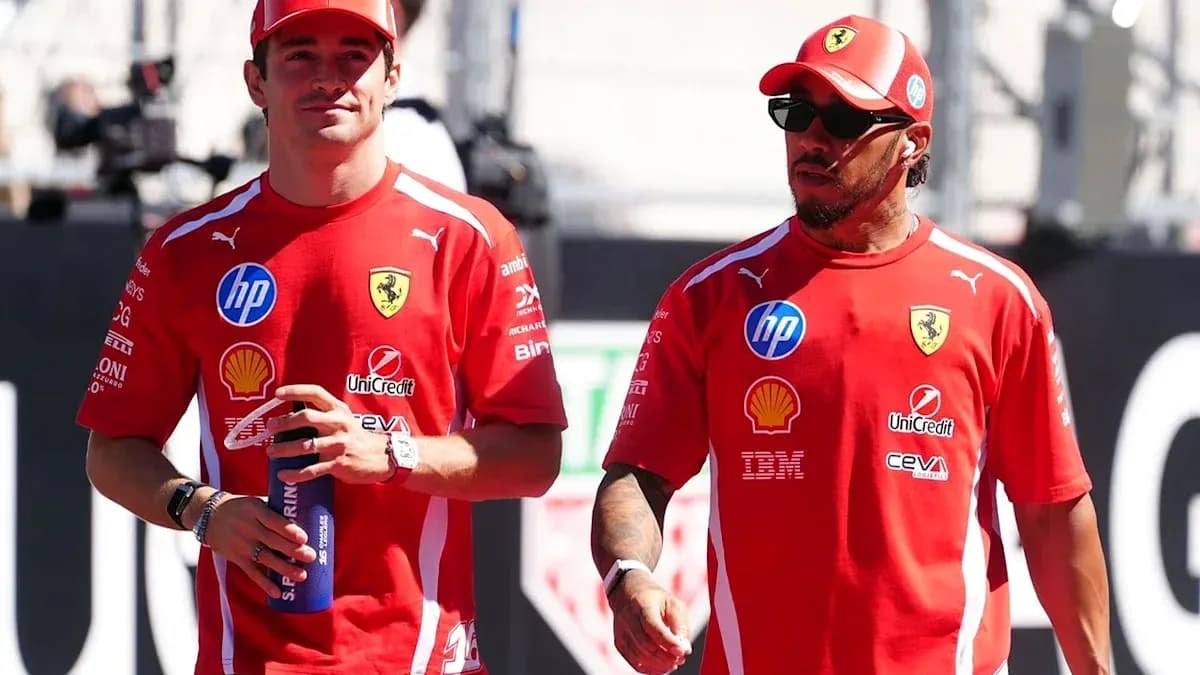
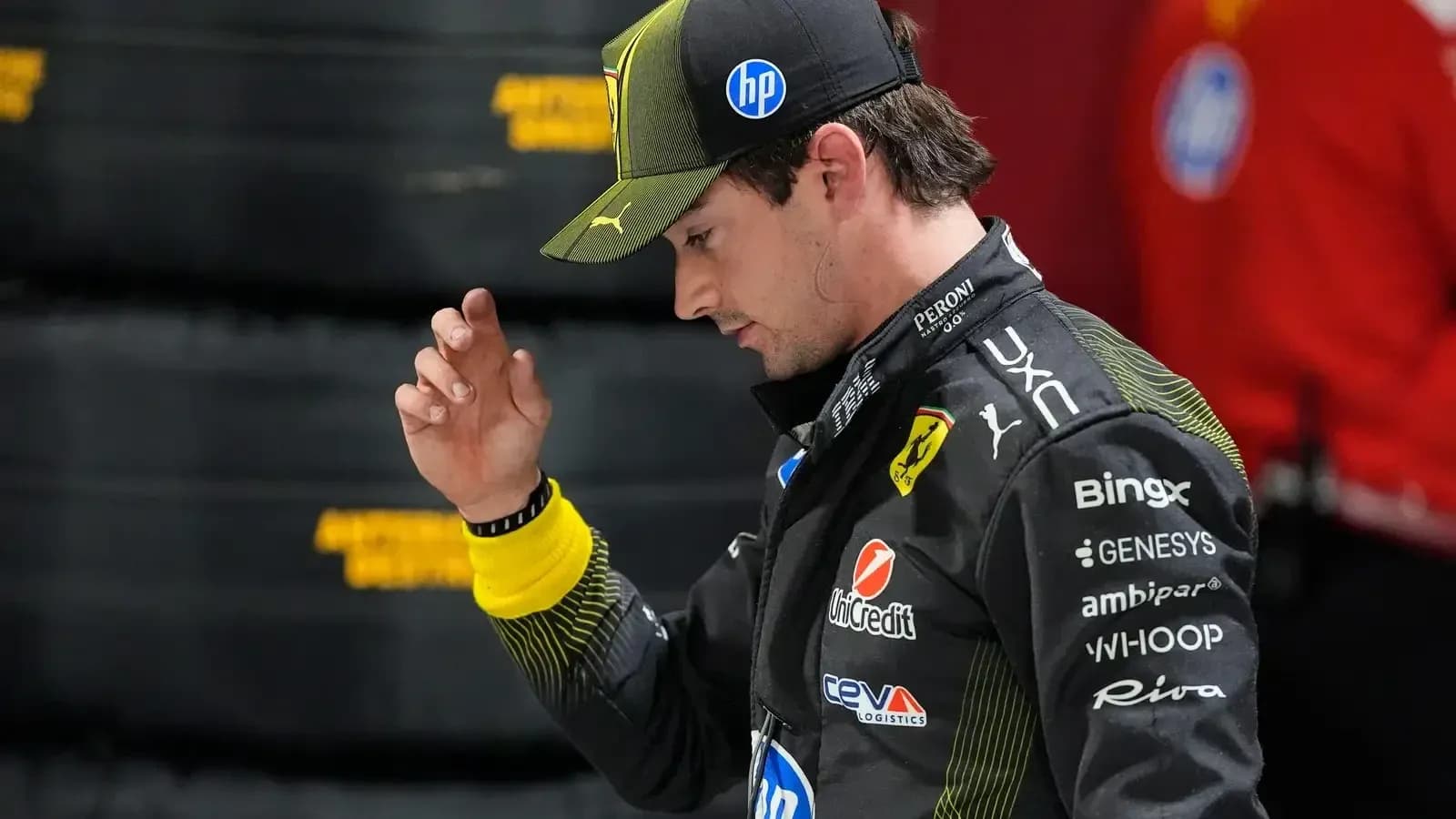
Charles Leclerc and Lewis Hamilton, already walking a thin line after previous incidents, collided again when Leclerc launched a clumsy attempt to pass. The two touched, Hamilton spun, and his race unravelled in a shower of sparks and lost positions. The stewards examined the clash and handed Leclerc a 10-second penalty for causing a collision.
The timing could hardly have been worse for a partnership already under internal scrutiny. Team principal Fred Vasseur had recently read both drivers the riot act after their clash in Mexico. Hamilton had publicly called for clear rules of engagement. Ferrari, stubbornly or optimistically, had declined to impose them.
Now here they were again, picking carbon fibre out of another debrief.
Vasseur’s message over team radio carried the unmistakable tone of a headmaster summoning a repeat offender. “Charles, I want to see you just after the race, before everything,” came the instruction. No need to translate. Especially given that, only five corners earlier, the team had told Leclerc not to attempt an overtake.
Hamilton recovered to finish seventh, his teammate down in 10th. Respectable points on paper, but that was never going to be the story. Not on a night when Ferrari managed to turn someone else’s epic into their own disciplinary hearing.
Vegas earns its place
As the laps ticked down, the race refused to settle. The crowd – some of whom might now be under the impression that all Grands Prix look like this – stayed on their feet. They should probably avoid a replay of the Madrid GP.
The final lap, as at Monza in 1971, held the decisive act. Verstappen led into it and did not blink. Behind, Antonelli’s loss of power opened the door for both McLarens, Norris and Piastri sweeping past to secure second and third. They could see the Red Bull, but they could not touch it.
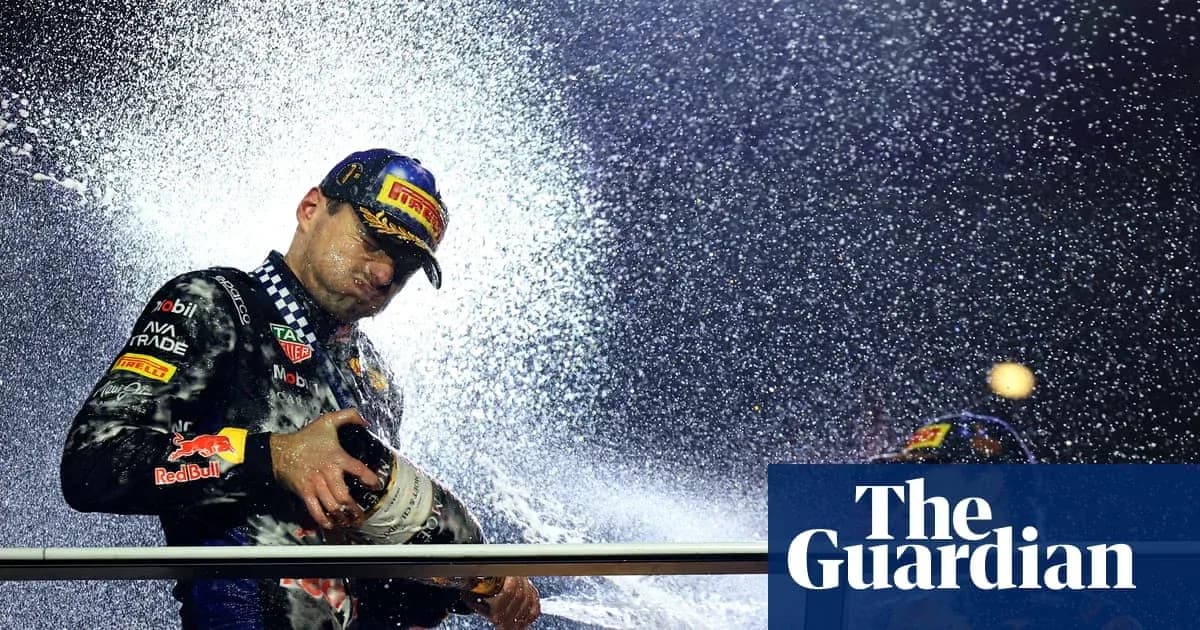
By the time Verstappen crossed the line, Las Vegas had its classic. Four years into a long-term deal that runs until at least 2037, the city can already point to a race that will be replayed for decades – a neon-soaked slipstream brawl in which everyone seemed to have a chance, but only one man ever truly held control.
On nights like this, the argument about Verstappen’s place among the greats doesn’t just grow louder. It feels settled.