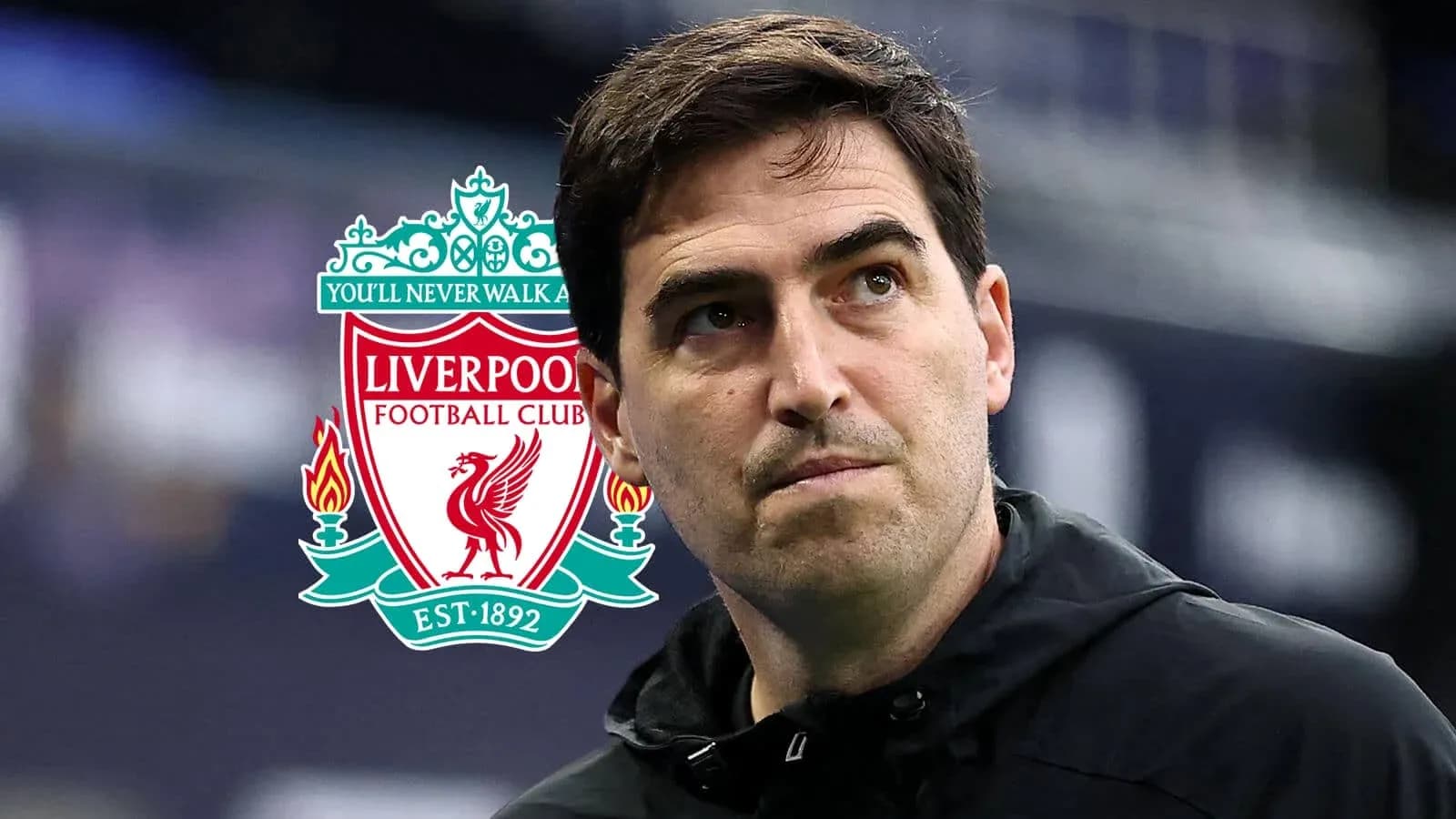
Andoni Iraola's Impact at Liverpool: A Manager's Short-Term Contract
Andoni Iraola walked into Liverpool with a two-year contract and a cloud of doubt over how long he’d actually stay. A short-term deal, a manager who has never lasted more than three years anywhere, and the constant shadow of Barcelona and Real Madrid hovering over any ambitious Spaniard – the anxiety wrote itself.
On the pitch, though, he’s silenced most of the noise.
Liverpool have taken quickly to his ideas: 11 wins, four draws, three defeats. Even that record comes with context. They only buckled against Manchester City after Ryan Gravenberch’s baffling red card. They pushed Arsenal close in a game that turned on Alexander Isak being denied what many inside Anfield saw as a clear penalty. The collapse against Fenerbahce? That one, the club will admit, was on them.
Strip away the individual controversies and something more important emerges. Iraola has hardened Liverpool’s defence, dragged the intensity levels back up, and, in recent weeks, coaxed a rhythm and fluency back into an attack that had started to look predictable. The running is back. The pressing is back. The cohesion is back.
The contract question, though, has never really gone away.
A short deal, a long debate
From the day he signed, that two-year agreement felt like an itch Liverpool supporters couldn’t quite scratch. This is a club that likes to plan in eras, not seasons. Jurgen Klopp’s reign rewired expectations; anything that looks temporary now feels unsettling.
Iraola has been clear about his stance. He prefers shorter contracts. He told the BBC he doesn’t want to stay at a club just because a piece of paper says he must, but because both sides are genuinely happy and want to carry on together. It’s a philosophy, not a negotiating ploy.
His career backs that up. Liverpool are his fifth job in management, and he has never stayed beyond three years at any of his previous clubs. He arrives, he imprints an identity, he moves on. It’s efficient. It’s modern. For supporters, it’s also unnerving.
Add his nationality to the mix and the picture sharpens. A Spanish coach thriving at an elite European club will always be linked, at least in theory, to Barcelona and Real Madrid. That’s the reality Liverpool knew they were buying into.
Romano lifts the mood
Inside Anfield, though, the mood is anything but anxious. According to Fabrizio Romano, the early verdict from both Liverpool and Iraola is emphatically positive.
“Very good moment for Liverpool. They are doing excellent,” Romano said on his YouTube channel, outlining how the club and coach are already talking through future plans and long-term ideas. The hierarchy are “delighted with the coach” and, crucially, Romano reports that Iraola is “delighted with the Liverpool project” in return. The relationships with the players are described as strong, the dressing room united behind the new regime.
That’s the kind of language that usually precedes serious contract conversations. No brinkmanship, no coded hints about exit clauses. Just a club and a manager leaning towards the same future.
If Iraola does decide to extend his stay on Merseyside, the project he’s building will only get more intriguing.
The next wave: Sidy Barhama Ndiaye
Liverpool’s recruitment team have already pushed one key piece into place for the years ahead. The club have an agreement in place to sign 16-year-old Senegalese winger Sidy Barhama Ndiaye, who will officially join up with his new teammates in January 2028.
Ndiaye impressed the staff during a trial at Liverpool in the summer of 2025, showing enough in a short window to convince the club he was worth a long-term commitment. Since then, he’s been lighting up the Under-17s World Cup with Senegal, underlining why Liverpool moved early.
This is how the modern Liverpool machine is supposed to work: a first-team coach imposing a clear structure, a recruitment department feeding that structure with targeted, high-upside talent, and a pathway that stretches years into the distance.
For that to truly take hold under Iraola, one thing has to happen. The man at the centre of it all has to stay.
Right now, the signs point in that direction. The football is sharp, the boardroom is convinced, the manager is engaged, and the pipeline of talent is already being laid down for the next generation.
The contract may be short. The project he’s shaping at Anfield doesn’t look like it was built to be.