Cricket Australia Reopens 2018 Ball-Tampering Scandal Forum
Cricket Australia has moved to reopen one of the ugliest chapters in the national team’s history – but this time, without the threat of careers ending or reputations being shredded.
The governing body has confirmed the terms of reference for its new independent forum into the 2018 ball‑tampering scandal, stressing it will not assign blame, overturn old sanctions or trigger fresh punishment for anyone involved.
This is not a retrial. It is a listening exercise.
No new culprits, no new sanctions
Overseen by leading Australian barrister Fiona McLeod, the six‑week forum has been framed deliberately as an “information-gathering and listening process”. The language is clear: it will not make “any adverse findings about, or determine the responsibility of, any individual”.
No one will be named and shamed. No bans will be revisited. No legal action will flow from what is said.
Participation is entirely voluntary, with Cricket Australia urging players and staff from that infamous South Africa tour to speak freely, backed by a guarantee that nothing they say will be used to sanction them.
Its stated purpose is to support the welfare of those scarred by the episode and to give them a chance to tell their story “without fear of retribution or disadvantage”. In other words, to air the emotional and cultural fallout that a formal code-of-conduct hearing never touches.
Old wounds, new scrutiny
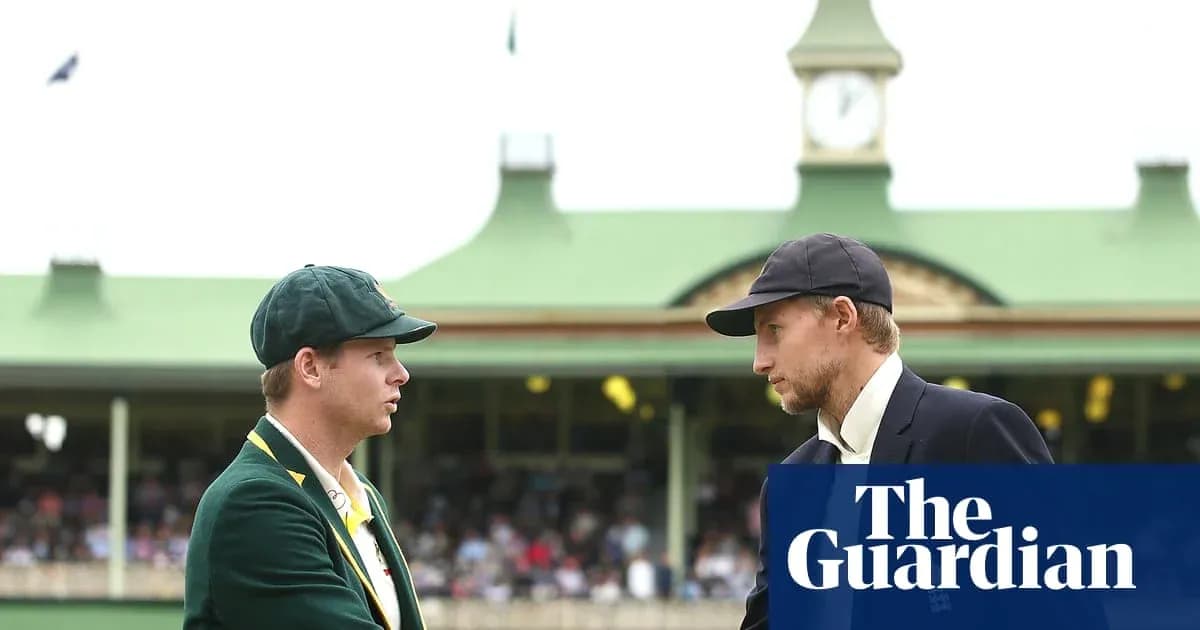
The original 2018 investigation pinned responsibility on three men: then-captain Steve Smith and openers David Warner and Cameron Bancroft. Smith and Warner copped 12‑month bans, Bancroft nine months, as Australia reeled from the Newlands revelations and the global backlash that followed.
For years, the official line held: three culprits, a contained plot, a clean break.
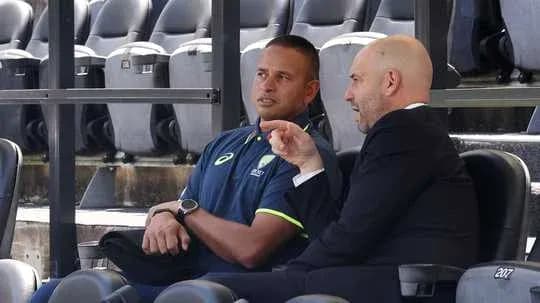
That version has been challenged repeatedly. Usman Khawaja’s former teammates Warner, Bancroft and Chadd Sayers have all backed claims that the broader playing group and staff knew about ball-tampering practices. The suggestion is simple and explosive – that the problem was cultural, not isolated.
Yet the current leadership core has pushed back hard. Captain Pat Cummins, along with fast bowlers Mitchell Starc and Josh Hazlewood, has flatly denied any prior knowledge of the tampering plan in Cape Town.
Cricket Australia last week threw its weight behind Cummins, reaffirming him as captain of both the Test and one-day international sides and rejecting any notion that his integrity had been compromised as the debate flared again.
Beyond Newlands: a wider lens
This new forum will not stop at the moment the cameras caught Bancroft with sandpaper at Newlands. Its scope stretches across the entire 2018 tour of South Africa, covering “ball-management practices” during all four Tests, not just the one that detonated into scandal.
It will also examine how Cricket Australia handled the crisis at the time – the conduct and scope of the 2018 investigation itself. That opens the door to pointed questions about whether the governing body moved too quickly to ringfence responsibility, and whether others were shielded, knowingly or otherwise.
The pressure that built around that series was immense. Now the organisation is inviting those who lived it to describe that environment in full, without the shadow of a charge sheet hanging over them.
Listening, then answering
Cricket Australia has promised that a report from the forum will be published in full, with the board committing to respond within 30 days of its completion. That pledge removes any hiding place: once people speak, the governing body will need to decide what, if anything, changes.
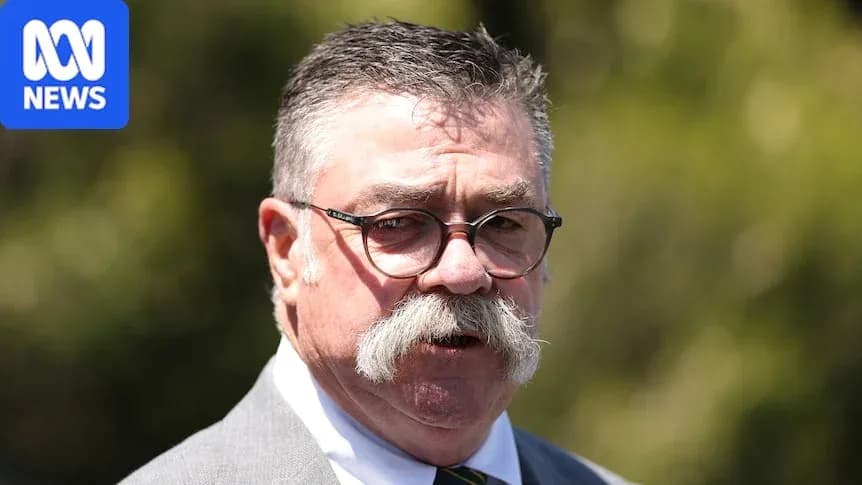
Chairman David Boon framed the process as a chance for the game to finally hear itself.
“This forum is the best opportunity for people to speak and be heard, and for CA to listen and learn,” he said in a statement.
Six years on from Cape Town, the bans have been served and the scoreboards have moved on. The question now is whether the sport in Australia is ready to confront not just who did what, but why it happened in the first place – and what that still says about the team wearing the baggy green.